Replace Missing Teeth with Dental Implants

Dental Implants in Bacchus Marsh

Our dental clinic provides dental implants in Bacchus Marsh. This treatment option may help replace missing teeth. Suitability and outcomes depend on individual factors.

What Are the Advantages?

The Benefits of Dental Implants

Dental implants offer more than just a replacement for missing teeth. They restore function and long-term oral health. Here are some benefits that patients may experience depending on their case:

  • Dental implants may help restore your ability to chew and speak clearly. While they are designed to function similarly to natural teeth, individual results vary based on different factors.
  • Dental implants may support jawbone health by stimulating the bone in areas where teeth are missing by providing stimulation to the bone, which may help to prevent bone loss and facial changes.
  • Implants are placed in the jawbone and are intended to provide stability during eating or speaking. Unlike removable dentures, they don’t require adhesives or daily removal.
  • With good oral hygiene and regular dental care, dental implants may function long-term for some patients. Longevity varies between individuals and depends on factors such as oral health and maintenance.

Any surgical or invasive procedure carries risks. Not all patients are suitable candidates. A comprehensive assessment is required to determine eligibility.

benefits dental implant
candidate dental implant

The Benefits of Dental Implants

Are You a Good Candidate for Implants?

Dental implants are not suitable for everyone, and your eligibility depends on several personal and oral health factors. Below are some common characteristics of people who may be suitable candidates:

  • You may be a good candidate if you have one or more missing teeth. Dental implants can restore function and appearance when tooth loss has affected your smile.
  • Patients with healthy gums and sufficient jawbone density often qualify for implants.
  • Non-smokers, or those willing to quit, have a higher likelihood of implant success, as smoking can hinder healing and interfere with proper implant integration.
  • Patients in good general health, without uncontrolled medical conditions, typically achieve better outcomes. Your dentist will review your medical history to confirm whether implant treatment is a suitable option.

A comprehensive assessment is required to determine suitability. Your dentist will review your medical history, bone density, and oral health status.

Dental Implant Options

Tailored Implant Treatments

We offer several implant options to suit different needs and stages of tooth loss. Each option is designed to restore function, comfort, and long-term oral health.

Implant Treatment Steps

What to Expect
During Treatment

We support patients throughout each stage of dental implant treatment with clear communication and personalised care. The process is explained step by step, so expectations, timing, and decisions are discussed and understood during consultation and ongoing appointments.

Initial Consultation & Assessment

Your journey begins with a consultation at Magical Smiles Bacchus Marsh. This includes an oral examination, digital imaging (like X-rays or 3D scans), and a discussion about your medical history and smile goals. We’ll assess your suitability for implants and explain all appropriate options clearly.

Personalised Treatment Planning

Based on your needs, lifestyle, and budget, we create a tailored treatment plan. This includes a timeline, recommended implant type, and whether you may need procedures like bone grafting. We’ll walk you through each step so you know exactly what to expect.

Implant Placement Procedure

Using precise digital technology, the implant post is carefully placed into the jawbone under local anaesthesia or sedation if appropriate and for comfort. We take time to guide you through each step of this stage in your dental care journey.

Healing & Osseointegration

Your jawbone gradually fuses with the dental implant over several months in a process called osseointegration. Our team schedules follow-up visits to check healing and progress and provides personalised aftercare instructions. Factors affecting success include bone quality, smoking status, oral hygiene, and systemic health conditions. If osseointegration fails, the implant may need to be removed and replaced.

Attaching the Final Restoration

Once healing is complete, a custom-made crown or denture is securely attached to the implant. Custom-made to match your natural teeth, this final step aims to restore function and appearance. Individual results vary based on factors including gum health, bite forces, and adjacent tooth condition.

Any surgical or invasive procedure carries risks. Before proceeding, you should seek a second opinion from an appropriately qualified health practitioner.

Book Your Dental Implant Consultation in Bacchus Marsh

Schedule a dental implant consultation with our team in Bacchus Marsh. We’ll assess your oral health, discuss suitable options, and answer any questions you have about the implant process.

mid bmd cta img min new.png

Smile Gallery

Patient Treatment Examples

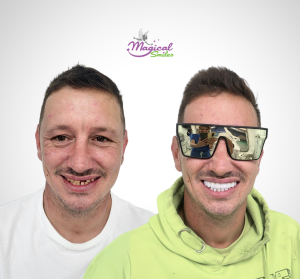
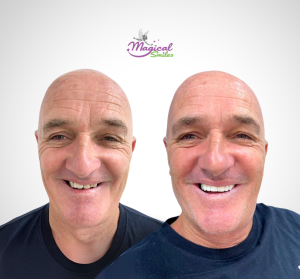
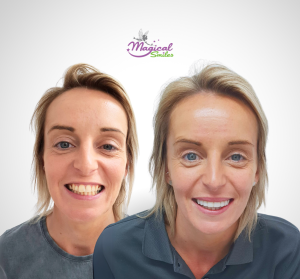
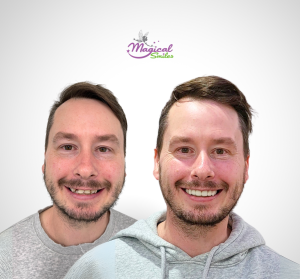
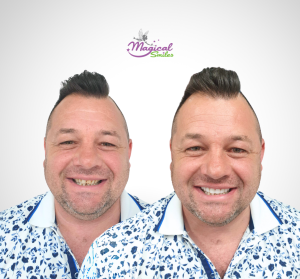
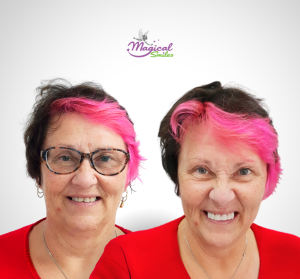
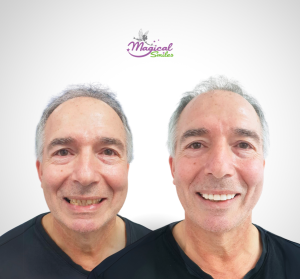
Every treatment plan is tailored to individual oral health needs. Our smile gallery showcases examples of implant treatments we’ve performed, highlighting changes achieved through personalised care. We restore single or multiple teeth using personalised treatment plans. Our team supports each patient’s oral health and aesthetic goals with clinically appropriate care.

*Results vary between individuals, and images are used with written patient consent. Photographs show actual treatments performed by dentists at this clinic. Any surgical or invasive procedure carries risks. Before proceeding, you should seek a second opinion from an appropriately qualified health practitioner.

Our Approach to Dental Implant Treatment

Dental Implant Treatment at Our Bacchus Marsh Clinic

Dental implants are one option for replacing missing teeth. When successful, they may help improve chewing function and speech, though outcomes vary depending on factors such as bone quality, overall health, and proper maintenance. At Magical Smiles Bacchus Marsh, we take a patient-centred approach. We consider your oral health, jawbone condition, and lifestyle before recommending implant treatment.
dental implant why choose 1

Training and Experience in Dental Implants

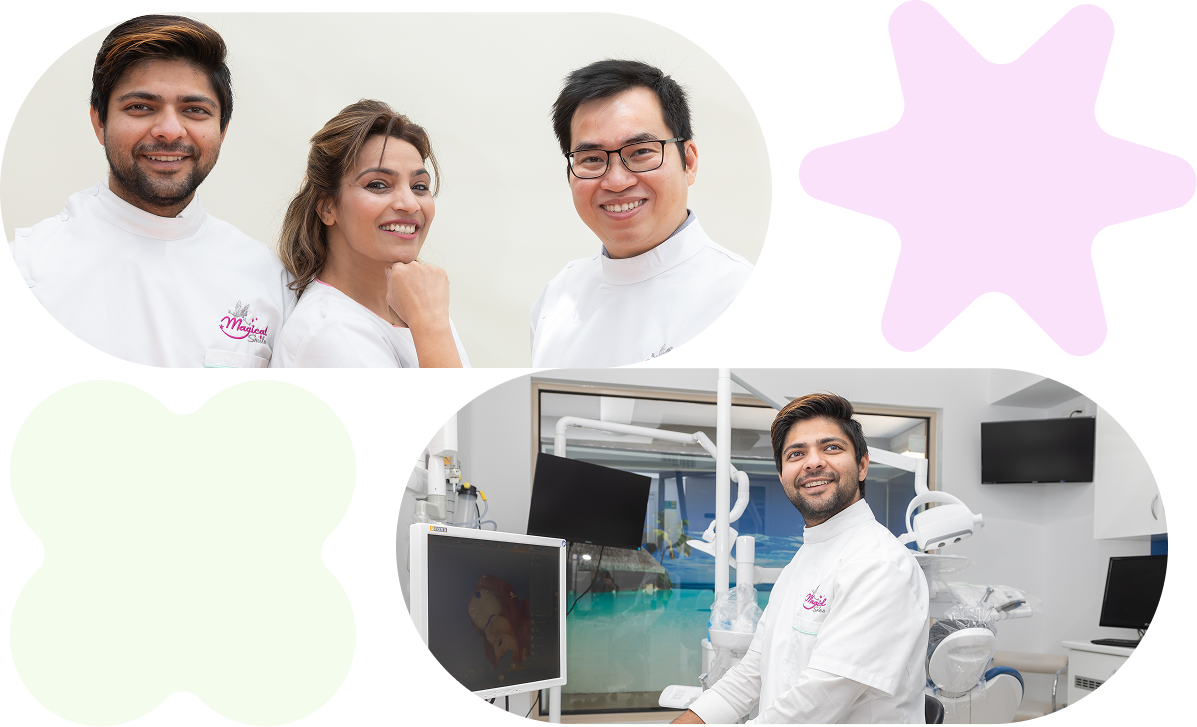
Our dental team has undertaken additional training in implant dentistry. It has equipped us with the knowledge to plan and place implants with precision. We carefully assess each case to determine if implants are a suitable choice. This process includes considering bone health, gum condition, and your overall oral health.

We provide dental implant services for single-tooth and multiple-tooth replacement. Each case is assessed individually to determine the appropriate treatment approach.

Thorough Treatment Planning

From your first consultation, we create a treatment plan that considers both the function and appearance of your new tooth or teeth. If needed, this plan may include preparatory steps, such as bone grafting, to support the implant.

We also consider important factors like your bite, jawbone strength, and long-term oral health. By planning each stage of the treatment carefully—from implant placement to healing and final restoration—we develop a treatment plan tailored to your situation. Treatment success depends on many factors that will be discussed during the consultation.

dental implant why choose 2
dental implant why choose 3

Long-Term Care for
Your Implants

When successful and properly maintained, implants may function for many years, though individual outcomes vary. We provide guidance on how to look after your implant at home and encourage regular check-ups to maintain its health and function.

If you ever have concerns or need adjustments, our Bacchus Marsh team is here to help. We provide continuous support and maintenance guidance for your implant. Regular check-ups are important to monitor implant health and address any concerns.

Price Guide

Dental Implant Cost Guide

Understanding dental implant pricing can help you plan your treatment with confidence. This section outlines starting costs for common procedures, so you know what to expect upfront.

Multiple Dental Implants

Multiple dental implants are a more significant investment than single-tooth options, reflecting the complexity and scope of the procedure. Costs can increase depending on the number of implants included in your treatment plan.

Starts at

$10,000

*Pricing varies based on individual treatment needs. A detailed, itemised treatment plan and cost breakdown will be provided after your consultation and clinical assessment.

Each tooth includes both the implant and the crown, with $2,500 for the implant and $2,500 for the crown.

Pricing is calculated per implant. Additional procedures like bone grafting or sinus lifts, if required, will also affect the total cost.

Payment plans may be available from approximately $55 per week over two years for eligible patients.

Implant-Retained Dentures

Implant-retained dentures offer a cost-effective alternative to multiple individual implants. Pricing reflects the use of fewer implants to support a full denture, making it a suitable option for full-mouth restoration.

Starts at

$15,000

*Costs vary depending on denture type and complexity. A detailed, itemised treatment plan and cost breakdown will be provided after your consultation and clinical assessment.

This price includes two to four dental implants used to stabilise a removable denture for improved function and comfort.

The total cost can vary depending on the denture type. Additional procedures, such as extractions or bone grafting, may affect the final price.

Implant-retained dentures can help significantly reduce long-term maintenance costs compared to conventional removable dentures.

All-on-4 Dental Implants

All-on-4 dental implants offer a cost-effective way to restore a full arch of teeth with fewer implants. This treatment offers a stable, long-lasting option at a lower overall cost than replacing each tooth individually.

Starts at

$25,000

*Final cost depends on individual oral conditions. A detailed, itemised treatment plan and cost breakdown will be provided after your consultation and clinical assessment.

The cost includes the surgical procedure, placement of four dental implants, and an implant-supported bridge for one arch—either upper or lower.

Final pricing may vary based on bone density, current oral conditions, or the need for extractions or grafting.

A personalised treatment plan will be provided to outline all steps and associated costs before starting.

Dental Implant Consultations

A dental implant consultation in Bacchus Marsh provides a cost-effective way to explore your treatment options with clarity. You’ll receive a thorough evaluation and understand what to expect before making any financial commitment.

Starts at

$65

The consultation includes a comprehensive dental assessment, along with X-rays and detailed treatment planning.

If you proceed with dental implant treatment, the consultation fee may be applied towards treatment costs, subject to stated conditions.

This informative appointment allows you to receive transparent pricing and professional recommendations based on your oral health needs.

Payment Options

Flexible Payment Options to Make Dental Care
More Accessible

We want to make your experience at Magical Smiles Bacchus Marsh as easy as possible, including how you pay for your care.

Treatment recommendations at our clinic are always based on clinical assessment and your individual health needs, and payment options are provided to support access to clinically appropriate care.

We accept all major health funds, offer on-the-spot claims with HICAPS, and provide flexible payment plans through Zip, Afterpay, and National Dental Plan (NDP). Payment plan eligibility, fees, interest rates, and terms are determined by the individual provider. We also welcome patients eligible for the Child Dental Benefits Schedule (CDBS) and Department of Veterans’ Affairs (DVA) programs.

If you have any questions about your options, our team is happy to guide you through the process.

*Payment plan terms vary by provider. Interest-free periods may apply. Late fees and interest may apply after promotional periods. The total cost may exceed the treatment price if interest applies. Approval and terms are determined by the payment provider. Full terms and conditions provided during consultation.

AfterpayZip PayHummSuperCareHICAPSDental Care for DVA Card HoldersChild Dental Benefits Schedule
Suercare

SuperCare
(Information About Superannuation Access)

Important: Accessing superannuation for dental treatment has significant long-term financial implications for your retirement. Independent financial advice is essential before considering this option.

Some patients may inquire about accessing superannuation funds for dental treatment. SuperCare is an external service that facilitates superannuation access in limited circumstances where specific financial hardship criteria may be met.

If you are independently considering this option, you must seek advice from a qualified, independent financial advisor who can assess your specific financial circumstances and retirement planning needs. Clinical necessity must be confirmed during your dental consultation, and you must understand the long-term implications for your retirement savings. Eligibility is determined by the Australian Taxation Office, not by our clinic.

SuperCare is a service that facilitates access to superannuation funds for dental treatment in limited circumstances. Some patients may be eligible to access their superannuation funds for dental care under specific financial hardship criteria set by superannuation providers. This option should only be considered after receiving independent financial advice from a qualified financial advisor, confirming clinical necessity during your dental consultation, and understanding the long-term implications for your retirement savings.

Treatment decisions at our clinic are always based on clinical assessment and your individual health needs, never on financial considerations. Suitability for any treatment is assessed following a thorough clinical examination, regardless of how you choose to fund care.

For questions about payment options our clinic offers directly, please see the sections above regarding payment plans, health fund claims, and other financing arrangements.

Frequently Asked Questions

Common Questions About Dental Implants

Many people exploring dental implants are curious about the process and what to expect. This section provides clear, helpful information to guide treatment decisions.

Are dental implants painful?

Some patients considering dental implants are understandably concerned about whether the procedure is painful. While discomfort can be part of the process, modern techniques and personalised care help minimise pain at each stage. Here’s what you can typically expect before, during, and after dental implant treatment:

  • Before the Procedure:
    Your dentist will use a local anaesthetic to numb the area completely before beginning the procedure. This is designed to keep you comfortable and minimise pain during the placement of the implant.
  • During the Procedure:
    Although you may feel some pressure or movement during the surgery, the anaesthetic prevents pain. Patients often report that the procedure feels less invasive than they expected.
  • After the Procedure:
    Once the anaesthetic wears off, it is normal to experience mild discomfort, swelling, or bruising for a few days. Your dentist will prescribe pain medication and give postoperative instructions to help manage this.
  • First Few Days Post-Op:
    Most patients find the discomfort manageable with rest and by following post-operative care instructions. Applying a cold compress and avoiding hard foods can help promote healing and reduce tenderness.
  • Healing Experiences Vary:
    Discomfort usually subsides as the implant site heals over the following weeks. However, if you experience persistent or increasing pain, contact your dentist promptly to check for any potential complications.

 
Tooth restoration in Bacchus Marsh using dental implants may involve some discomfort during the healing process, and experiences vary between individuals. Pain management options and aftercare instructions are discussed during consultation, with advice tailored by your dentist based on your clinical needs.

Dental implants can replace a single tooth, several teeth, or even a full arch, depending on your needs. Dentists may use multiple implants to support bridges or dentures for full-mouth restoration. For example, All-on-4 implants in Bacchus Marsh can replace all upper or lower teeth with just four strategically placed implants. The exact number of implants required will depend on your bone structure, oral health, and treatment goals.

Not every missing tooth requires an individual implant, as one implant can anchor more than one artificial tooth. A thorough consultation and digital imaging help your dentist determine the most effective and conservative option. This facilitates a balanced approach to function, aesthetics, and long-term oral health. Your dentist will explain your options during your implant assessment. Tooth replacement in Bacchus Marsh may support oral function and appearance, noting that outcomes vary between individuals.

Not everyone seeking tooth replacement in Bacchus Marsh is suited to dental implants. Several factors can affect whether this treatment is suitable for a patient. Below are the key situations where someone may not be considered a good candidate for dental implants:

  • Insufficient Bone Density:
    Patients who have significant bone loss in the jaw may not have enough bone to support an implant without undergoing an additional procedure called bone grafting. Adequate bone is essential to maintain the long-term stability of the implant fixture.
  • Uncontrolled Medical Conditions:
    Conditions like immune disorders or uncontrolled diabetes can affect healing and increase the risk of implant failure. These conditions need to be managed with the guidance of a healthcare professional before implant surgery is considered.
  • Heavy Smoking:
    Smoking can impair healing after surgery and may increase the chance of implant complications. While not an absolute contraindication, patients who smoke heavily may need to quit or reduce smoking prior to treatment.
  • Ongoing Gum Disease:
    Active periodontal disease can compromise the health of surrounding tissues and the implant site. Gum health must be stabilised before implants can be placed.
  • Young Patients with Incomplete Jaw Growth:
    Dental implants are not usually recommended for children or teens whose jaws are still developing. Premature placement can affect implant success and natural bone development.
  • Patients with Bruxism (Teeth Grinding):
    Severe teeth grinding significantly increases the risk of implant failure due to excessive forces on the implant. A custom nightguard may reduce risk, but does not eliminate it. In severe cases, bruxism may be a contraindication for implant treatment until the condition is managed. Your dentist will assess the severity and discuss whether implants are appropriate.
  • Recent Radiation Therapy in the Jaw Area:
    Patients who have undergone radiation therapy to the neck or head may have a reduced ability to heal, which can complicate implant integration. A consultation with a specialist is often required in these cases.

 
A comprehensive dental and medical evaluation is essential to determine if implants are appropriate. Your implant dentist in Bacchus Marsh will work with you to explore all suitable options for replacing missing teeth.

Here’s a clear breakdown of how an implant dentist in Bacchus Marsh typically performs the dental implant procedure. Each stage is designed to prioritise patient comfort, long-term function, and personalised care.

  1. Comprehensive Examination and Planning:
    Your dentist will begin with a thorough assessment, which may include 3D scans or X-rays of your teeth and jaw. This helps evaluate your bone structure and gum health and determine if you’re suitable for dental implant treatment. This planning stage helps guide accurate placement and reduces risks during the procedure.
  2. Treatment Discussion and Consent:
    Your dentist will explain the proposed treatment plan, including risks, benefits, alternatives, and costs. You’ll have an opportunity to ask questions and provide informed consent before proceeding.
  3. Implant Placement Under Local Anaesthetic:
    On the day of surgery, your dentist will administer a local anaesthetic to numb the area. The dentist makes a small incision in the gum to expose the jawbone. They then carefully insert the titanium implant into the bone to provide a stable foundation for your replacement tooth.
  4. Healing and Osseointegration:
    After implant placement, your gums will be sutured, and the healing process begins. The implant gradually fuses with your jawbone over several weeks to months in a process called osseointegration. This fusion helps create a stable foundation to anchor your future crown, bridge, or denture.
  5. Abutment Placement and Restoration:
    Once healing is complete, the dentist will access the implant and attach a small connector called an abutment. A custom-made crown or bridge will then be secured to the abutment to restore your smile’s function and appearance.
  6. Follow-Up and Maintenance Care:
    After the placement of your final restoration, your dentist will schedule follow-up checkups to monitor healing and assess whether the implant is functioning as expected. Proper home care and regular dental checkups are essential to maintain the long-term success of your implant.

 
The dental implant procedure is adapted based on individual oral anatomy, bone density, and clinical requirements. They will also provide clear postoperative instructions to promote your healing and help maintain long-term implant stability. If you’re seeking dental implants in Bacchus Marsh, contact us!

Yes, dental implants can often be placed after tooth extraction, depending on your bone health and oral condition. Some patients qualify for immediate implant placement, which occurs during the same appointment as the extraction. Others may require a healing period before implant placement to allow the bone to stabilise. Your dentist will assess your needs before recommending the most suitable timing.

Immediate placement may reduce overall treatment time in some cases. However, immediate placement carries higher risks of implant failure compared to delayed placement, particularly if infection or insufficient bone is present. Bone grafting might be recommended to prepare the site for future implant placement. Book a consultation for a single tooth implant in Bacchus Marsh to see if immediate placement is clinically appropriate.

Health fund cover for dental implants varies depending on your specific policies. Some health funds may cover a portion of the cost of dental implants in Bacchus Marsh, especially if your plan includes restorative dental benefits. It’s important to check your policy or speak directly with your health fund provider. Your dentist can also provide itemised codes for you to confirm any potential entitlements.

Dental implants often involve multiple steps, and the cover might not apply to every stage of the process. Your health fund may require pre-approval before treatment begins, especially for higher-cost procedures. It’s helpful to ask about annual limits and any waiting periods that may apply. Clear communication with your dentist and health fund provider helps provide accurate cost expectations.

Dental implants offer a reliable option for replacing missing teeth, but like all medical procedures, they come with certain limitations and risks. Below is a detailed overview of the main downsides of dental implants:

  • Surgical Procedure Required:
    Dental implants involve minor oral surgery, which carries risks like infection, nerve damage, or prolonged healing in some patients.
  • Cost of dental implants in Bacchus Marsh:
    Dental implant treatment is significantly more expensive upfront than alternatives such as bridges or dentures. Costs may vary based on bone quality, number of implants, and whether procedures like bone grafting are required. Exact costs are confirmed following an assessment with a registered dentist.
  • Not Suitable for Everyone:
    Patients with insufficient bone density, certain medical conditions, or uncontrolled diabetes may not be ideal candidates and may require additional preparatory treatment.
  • Extended Treatment Timeline:
    The full implant process—from consultation to final restoration—can take several months, especially when bone grafting or sinus lift is involved.
  • Potential for Complications:
    While rare, implants can fail due to infection, poor oral hygiene, or excessive pressure on the implant during healing, which may require additional treatment or replacement.
  • Consistent Maintenance is Essential:
    You need to maintain diligent oral hygiene to help reduce the risk of complications around dental implants. Regular dental visits facilitate early detection and management of issues such as peri-implantitis near the implant site.

 
Understanding the potential downsides of dental implants helps patients decide whether this treatment is right for their oral health and lifestyle.