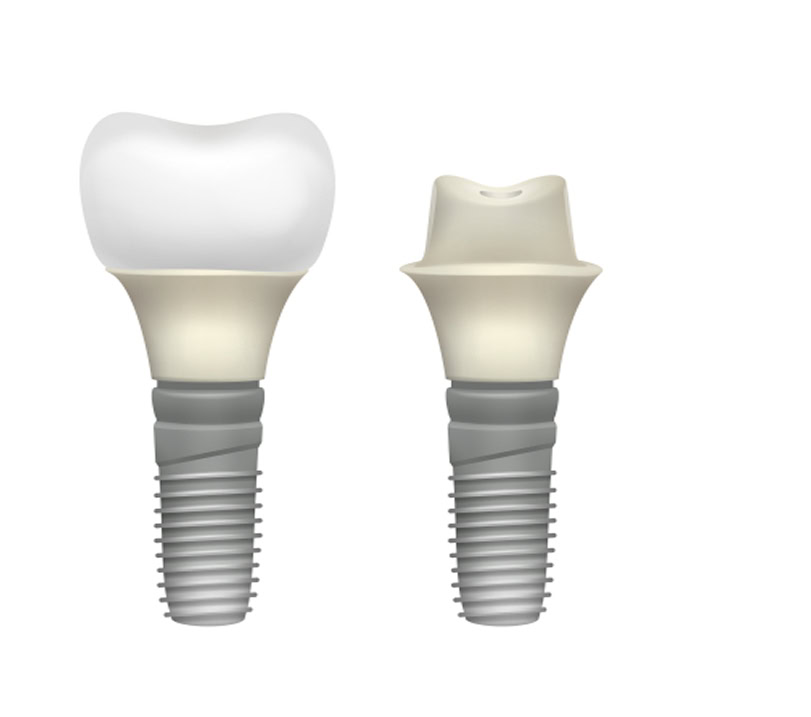
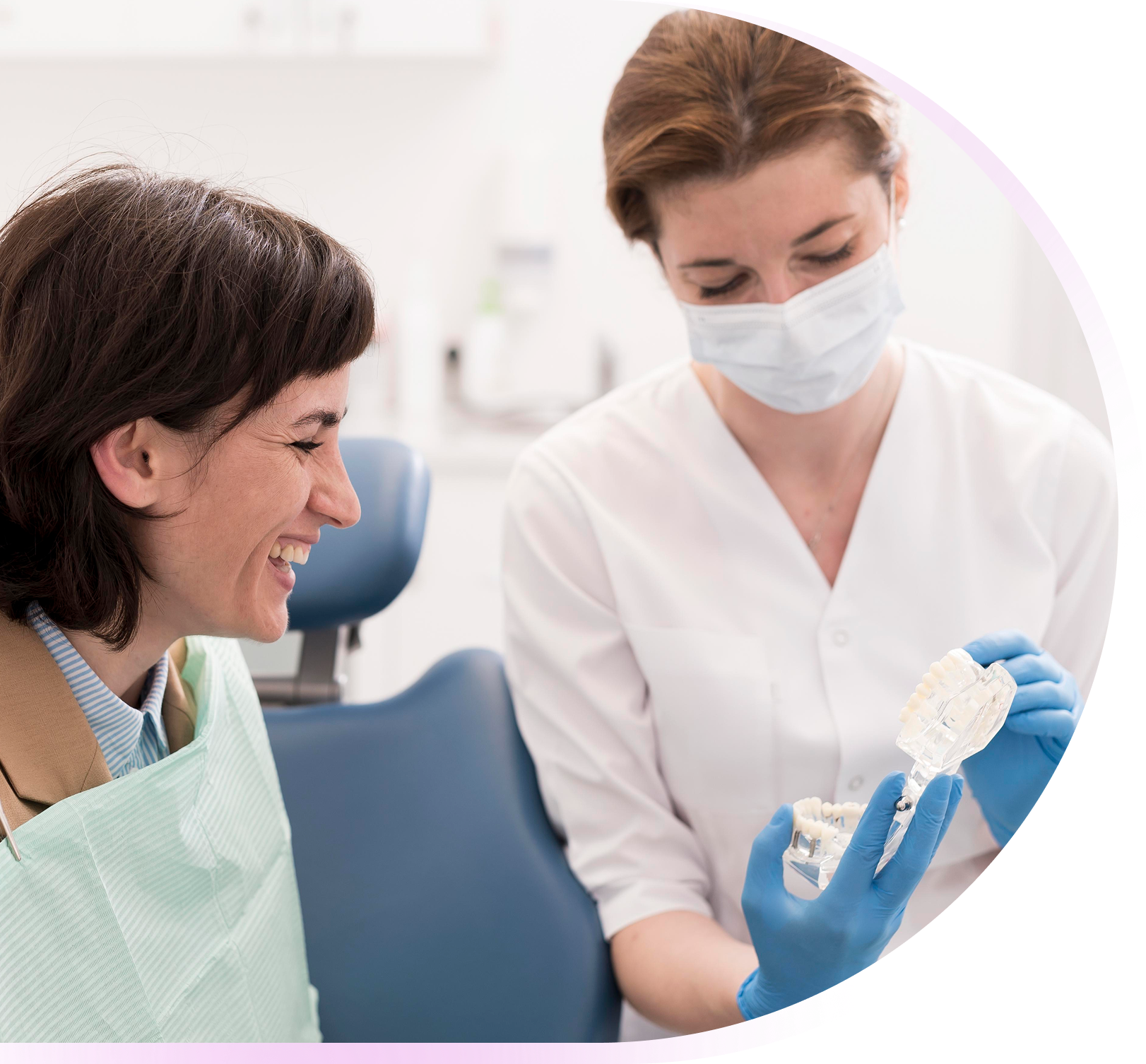



Missing teeth can affect how you eat, speak, and feel about your smile. It’s normal to wonder whether dental implants might be suitable for you. During your consultation at our dental clinic, a qualified dentist will assess your oral health. They will also explain the procedure in detail to help you understand your treatment options.
Our dental team has undertaken additional training in implant dentistry. It has equipped us with the knowledge to plan and place implants with precision. We carefully assess each case to determine if implants are a suitable choice. This process includes considering bone health, gum condition, and your overall oral health.
We provide dental implant services for single-tooth and multiple-tooth replacement. Each case is assessed individually to determine the appropriate treatment approach.
From your first consultation, we create a treatment plan that considers both the function and appearance of your new tooth or teeth. If needed, this plan may include preparatory steps, such as bone grafting, to support the implant.
We also consider important factors like your bite, jawbone strength, and long-term oral health. By planning each stage of the treatment carefully—from implant placement to healing and final restoration—we develop a treatment plan tailored to your situation. Treatment success depends on many factors that will be discussed during the consultation.
When successful and properly maintained, implants may function for many years, though individual outcomes vary. We provide guidance on how to look after your implant at home and encourage regular check-ups to maintain its health and function.
If you ever have concerns or need adjustments, our Bacchus Marsh team is here to help. We provide continuous support and maintenance guidance for your implant. Regular check-ups are important to monitor implant health and address any concerns.
Multiple dental implants are a more significant investment than single-tooth options, reflecting the complexity and scope of the procedure. Costs can increase depending on the number of implants included in your treatment plan.
Starts at*Pricing varies based on individual treatment needs. A detailed, itemised treatment plan and cost breakdown will be provided after your consultation and clinical assessment.
Each tooth includes both the implant and the crown, with $2,500 for the implant and $2,500 for the crown.
Pricing is calculated per implant. Additional procedures like bone grafting or sinus lifts, if required, will also affect the total cost.
Payment plans may be available from approximately $55 per week over two years for eligible patients.
Implant-retained dentures offer a cost-effective alternative to multiple individual implants. Pricing reflects the use of fewer implants to support a full denture, making it a suitable option for full-mouth restoration.
Starts at*Costs vary depending on denture type and complexity. A detailed, itemised treatment plan and cost breakdown will be provided after your consultation and clinical assessment.
This price includes two to four dental implants used to stabilise a removable denture for improved function and comfort.
The total cost can vary depending on the denture type. Additional procedures, such as extractions or bone grafting, may affect the final price.
Implant-retained dentures can help significantly reduce long-term maintenance costs compared to conventional removable dentures.
All-on-4 dental implants offer a cost-effective way to restore a full arch of teeth with fewer implants. This treatment offers a stable, long-lasting option at a lower overall cost than replacing each tooth individually.
Starts at*Final cost depends on individual oral conditions. A detailed, itemised treatment plan and cost breakdown will be provided after your consultation and clinical assessment.
The cost includes the surgical procedure, placement of four dental implants, and an implant-supported bridge for one arch—either upper or lower.
Final pricing may vary based on bone density, current oral conditions, or the need for extractions or grafting.
Costs may increase if tooth extractions are required before implant placement. Sedation or additional procedures may also be required.
A dental implant consultation in Bacchus Marsh provides a cost-effective way to explore your treatment options with clarity. You’ll receive a thorough evaluation and understand what to expect before making any financial commitment.
Starts atThe consultation includes a comprehensive dental assessment, along with X-rays and detailed treatment planning.
If you proceed with dental implant treatment, the consultation fee may be applied towards treatment costs, subject to stated conditions.
This informative appointment allows you to receive transparent pricing and professional recommendations based on your oral health needs.
We want to make your experience at Magical Smiles Bacchus Marsh as easy and straightforward as possible, including how you pay for your care.
We accept all major health funds, offer on-the-spot claims with HICAPS, and provide flexible payment plans through Zip, Afterpay, and National Dental Plan (NDP). We also welcome patients eligible for the Child Dental Benefits Schedule (CDBS) and Department of Veterans’ Affairs (DVA) programs.
If you have any questions about your options, our team is happy to guide you through the process.
Payment Plan Terms: All payment plans are subject to the provider’s eligibility criteria, terms, and conditions. Late fees may apply for missed payments. Treatment decisions are made based on clinical assessment, independent of payment options available.
Knowing what to bring to your tooth implant consultation helps your dentist understand your oral health needs and plan your care effectively. Being prepared helps your appointment run smoothly and allows you to receive clear, useful information during your visit.
Bring a valid photo ID and any relevant contact details to confirm your implant assessment appointment and complete your patient registration accurately.
Provide a list of your current medications, medical conditions, and recent dental treatments so your dentist can assess your overall health and suitability for tooth implants.
If another practitioner has referred you or you have recent dental X-rays or scans, bring these along to help your dentist evaluate your case more efficiently.
If you have a private health fund, bring your membership card or policy information to discuss potential benefits or payment plan options during your visit.
Prepare a list of questions or topics you would like to discuss, such as treatment options, expected recovery times, or costs. Bringing these to your appointment helps your dentist provide clear and relevant information during your consultation.
Being well-organised for your consultation helps your dentist provide a thorough, personalised assessment and allows a comfortable, productive visit.
A dental implant consultation is an important first step in planning appropriate treatment, and the duration can vary depending on individual needs. Below is a detailed explanation of the factors that usually affect appointment length.
A standard tooth implant assessment generally takes 45 minutes to 1 hour. This allows adequate time for the dentist to review your medical and dental history, discuss your goals, and perform an initial oral examination.
If dental X-rays or 3D scans are required to assess bone density and gum health, they may add several minutes to the appointment. This step allows the dentist to gather accurate information to determine your suitability for implants.
Your dentist will explain the findings, discuss available treatment options, and outline any preparatory care that may be needed before implant placement. This part of the consultation is designed to help you understand your treatment options and what they involve.
Implant consultations generally last about 1 hour; however, appointment length may vary based on each patient’s oral condition and treatment complexity. Each consultation is designed to provide clear, personalised information so you can make an informed choice about your dental care.
Determining whether you are a suitable candidate for tooth implants requires a professional assessment of your oral health, medical history, and treatment goals. Below are the key factors your dentist will consider during your consultation.
Your dentist will examine your gums, teeth, and jawbone to determine whether you have a healthy foundation for an implant. Adequate bone support and healthy gums are essential for long-term implant stability.
An artificial tooth root requires sufficient bone to hold the implant securely. If bone loss has occurred, your dentist may discuss bone grafting or other preparatory procedures before implant placement.
Certain health conditions, such as smoking or uncontrolled diabetes, can affect healing and the success of implants. Your dentist will review your medical history to determine if any factors need to be managed before treatment.
Good daily oral care and regular dental visits are essential for maintaining implant health. Patients who demonstrate consistent oral hygiene are generally better candidates for tooth replacement options.
Your suitability for tooth implants can only be confirmed after a comprehensive clinical examination and diagnostic imaging. Results and treatment plans vary for each individual, so your dentist will provide personalised recommendations based on your specific needs.
Artificial tooth roots are a well-established option for replacing missing teeth, but, like any dental procedure, they carry benefits and risks. Understanding these factors helps patients weigh the benefits and risks with their dentist.
Benefits
Implant-supported teeth are designed to restore chewing function and support clear speech, providing a more stable alternative to removable dentures. When placed successfully, they can help patients eat and speak with comfort.
Implants may help reduce bone loss in the jaw by stimulating the surrounding bone, similar to a natural tooth root. This can assist in maintaining facial shape and structure over time.
Implants are intended to blend with natural teeth. They are fixed in place, providing a secure, natural appearance compared with removable tooth replacements.
Risks
As with any surgical procedure, dental implant placement carries risks, including infection, bleeding, and delayed healing. In some cases, implants may fail to integrate with the bone or become loose over time.
There is a small risk of nerve irritation or sinus issues, particularly when implants are placed in the upper jaw. These risks can be minimised through careful assessment and treatment planning by a qualified dentist.
Every dental procedure carries individual considerations, and outcomes can vary. A consultation with a registered dentist will help determine whether implant-supported teeth are suitable for your oral health needs.
During a dental implant procedure, your dentist prioritises your comfort and will use appropriate techniques to help you remain relaxed and informed throughout the process. Below is key information on what to expect regarding comfort during and after dental implant treatment.
Your dentist will use a local anaesthetic to numb the treatment area, so you should not feel pain during the procedure. You may experience sensations such as pressure or vibration, which are normal responses to dental work.
Throughout the appointment, your dentist will monitor your comfort and adjust anaesthesia or technique if needed. Please inform your dental team immediately if you experience any discomfort during the procedure.
Once the anaesthetic wears off, it is common to experience some mild tenderness, swelling, or bruising in the area. These symptoms are typically short-term and can usually be managed with over-the-counter pain relief and following your dentist’s post-care instructions.
Your dentist will provide tailored aftercare guidance to promote healing and comfort, including applying cold compresses and avoiding hard foods for a few days. Following these instructions closely can help minimise discomfort and reduce the risk of complications.
Overall, while mild post-treatment discomfort is expected, patients generally find dental implant procedures manageable with proper aftercare and professional guidance.
Recovery after a dental implant procedure varies depending on each patient’s oral health, the number of implants placed, and individual healing capacity. Most patients experience swelling or mild discomfort for a few days, which can be managed with dentist-recommended care. Initial healing of the gum tissue usually occurs within one to two weeks after the procedure. However, the implant itself continues to integrate with the jawbone over several months before final restoration.
During this healing phase, regular dental checkups help your dentist monitor progress and maintain a healthy, stable implant site. Patients are usually advised to avoid hard foods and maintain good oral hygiene to promote recovery. The complete healing and integration process can take three to six months for most individuals. Your dentist will guide you on when the implant is ready for the final crown placement.
Caring for tooth implants is an important part of maintaining their long-term function and protecting your oral health. The following guidelines are recommended for ongoing implant care.
Brush your teeth at least twice daily with a soft-bristled toothbrush and a low-abrasive toothpaste to help protect the implant surface and surrounding gum tissue.
Use implant-friendly floss or interdental brushes to clean between natural teeth and implants, reducing plaque and bacterial buildup.
Schedule regular dental checkups and professional cleanings with your dentist to monitor the health of your gums, bone levels, and implant components.
Avoid smoking, limit alcohol, and maintain a balanced diet to support healing and the long-term stability of your artificial tooth root.
Consistent oral hygiene and regular dental visits help protect your investment and support lasting oral health outcomes.
Tooth implants are an investment because they involve precise planning, high-quality materials, and skilled clinical work to replace missing teeth effectively. Costs vary depending on factors such as bone health, number of implants, and the type of restoration used. Your dentist will provide a detailed treatment plan and a transparent quote after a full consultation. This approach helps patients understand all options, timelines, and fees before beginning treatment.
While artificial tooth roots can seem costly upfront, they are designed as a long-term option that supports oral health and daily comfort. Unlike removable dentures, implants help preserve bone structure and reduce the need for future replacements when properly maintained. Flexible payment plans are available to make treatment more accessible for a range of budgets. Results and longevity vary between individuals, so your dentist will discuss suitability and expected outcomes during your consultation.
*IMPORTANT: Any surgical or invasive procedure carries risks. Before proceeding, you should seek a second opinion from an appropriately qualified health practitioner.
Schedule a consultation with your Bacchus Marsh dentist to discuss your oral health needs,
treatment suitability, and available options.
83 Gisborne Rd
Bacchus Marsh, VIC 3340