Periodontal Care

Deep Cleaning in Bacchus Marsh to Manage Periodontal Health

Professional deep cleaning in Bacchus Marsh offers a way to manage gum disease and support periodontal health through scaling and root planing procedures performed by qualified dental professionals.

Deep Cleaning Explained

Addressing Gum Disease with Professional
Deep Cleaning

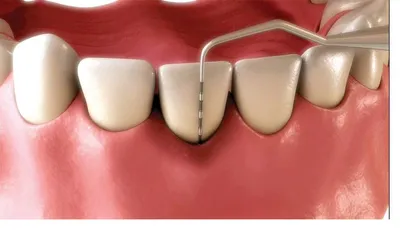
Deep cleaning, clinically known as scaling and root planing, involves removing plaque and tartar buildup from below the gum line and smoothing tooth root surfaces. This procedure addresses bacterial deposits in deeper periodontal pockets that regular cleaning cannot reach.

Your dentist may recommend deep dental cleaning in Bacchus Marsh if you show signs of gum disease, such as bleeding gums, persistent bad breath, or gum recession. The procedure aims to remove bacteria and irritants that contribute to inflammation and may help support gum tissue health when combined with good oral hygiene practices.

top deep cleaning

Dental Problems That Deep Cleaning May Help Address

Deep cleaning procedures can help manage several oral health concerns related to plaque buildup and gum inflammation, though individual results vary depending on each patient’s specific condition.

Gum Disease

Gum disease treatment in Bacchus Marsh addresses bacterial infections in periodontal pockets. This aims to reduce inflammation and support the body's natural healing processes when paired with consistent oral care at home.

Bad Breath

Persistent bad breath often results from bacteria trapped in deep periodontal pockets. Scaling and root planing in Bacchus Marsh removes these bacterial deposits, which may help reduce unpleasant odours. Outcomes depend on the underlying
cause and continued oral hygiene.

Dental Services in Bacchus Marsh

About Our
Dental Clinic

At Magical Smiles Bacchus Marsh, we provide dental services to patients in Bacchus Marsh and the surrounding areas. We discuss treatment options with patients and aim to address questions during appointments.

deep cleaning why choose 1

Dental Team and Services

At Magical Smiles Bacchus Marsh, the dentists bring years of combined training across general, cosmetic, and restorative dentistry. We provide dental services, including routine check-ups and cosmetic dentistry, to patients in the Bacchus Marsh area.

Our practice provides a range of dental services, from preventive care to restorative treatments. We aim to deliver care that is tailored to individual patient needs and circumstances. We welcome patients of all ages, including children attending their first dental appointment.

Treatment Planning Process

We provide information about treatment options and allow time for patients to ask questions during appointments. Our treatment planning process involves discussing available options, explaining procedures, and considering individual circumstances.

During consultations, we discuss patient concerns, explain treatment approaches, and outline what each option involves. Patients are encouraged to make informed decisions about their dental care based on the information provided.

deep cleaning why choose 2
deep cleaning why choose 3

Treatment Information and Costs

Magical Smiles Bacchus Marsh provides information about treatment options during consultations. We explain recommended procedures, outline what each treatment involves, and provide cost estimates before treatment commences.

Patients receive itemised quotes that include applicable item numbers. We discuss payment options and can provide information to assist with private health insurance claims where applicable.

Experience Care That Grows with Your Family

Ready to establish a long-term relationship with a dental team that knows your family’s needs? Book a consultation to discuss how we can support your oral health goals.
mid bmd cta img min new.png

Frequently Asked Questions

Your Deep Cleaning Questions Answered

Understanding what to expect from periodontal cleaning helps you feel more prepared and informed about the procedure, so we’ve answered common questions about deep cleaning below.

What is the difference between regular cleaning and deep cleaning?

Regular dental cleaning focuses on removing plaque and tartar from tooth surfaces above the gum line. This routine cleaning is typically recommended every six months for patients with healthy gums. This routine cleaning, also called prophylaxis, helps maintain oral hygiene and can often be completed in a single appointment.

A dentist providing deep cleaning in Bacchus Marsh works below the gum line to address periodontal disease. The procedure removes bacterial deposits from periodontal pockets formed by gum disease. This procedure involves two steps:

  • Scaling:

    This removes plaque and tartar from tooth surfaces below the gum line, reaching areas that regular cleaning tools cannot access.

  • Root planing:
    This smoothens the tooth root surfaces to help gum tissue reattach and reduce spaces where bacteria can accumulate.


Your dentist will assess your gum health during routine examinations and recommend deep cleaning if you show signs of periodontal disease. This includes gum pockets deeper than three to four millimetres, bleeding, or gum recession.

Deep cleaning in Bacchus Marsh addresses gum disease at its source by targeting bacterial buildup below the gum line that regular brushing and routine cleaning cannot reach. Individual outcomes vary depending on the severity of your gum disease and your ongoing oral care habits. Patients may experience several potential benefits from this periodontal procedure, such as the following:

  • Reduces gum inflammation and bleeding:

    Removing plaque and tartar from below the gum line eliminates the bacterial irritants that cause your gums to become inflamed, swollen, and prone to bleeding. Many patients notice their gums bleed less during brushing and flossing within a few weeks following treatment.

  • Decreases periodontal pocket depths over time:

    When bacteria are removed, and root surfaces are smoothed, your gum tissue may gradually reattach to your teeth, reducing the depth of periodontal pockets. Shallower pockets are easier to keep clean with daily oral hygiene, which helps maintain the results of your treatment.

  • Helps eliminate persistent bad breath:

    Chronic bad breath often stems from bacteria trapped in deep periodontal pockets that release unpleasant odours. Deep cleaning removes these bacterial colonies, which can significantly improve breath freshness, though results depend on addressing any other contributing factors.

  • May slow or halt the progression of gum disease:

    By removing the bacterial deposits that drive periodontal disease, deep cleaning can help prevent further damage to your gums and the bone supporting your teeth. This is particularly important when combined with improved daily oral hygiene and regular dental maintenance visits.

  • Supports overall tooth stability and longevity:
    Healthy gums provide essential support for your teeth, and managing gum disease through deep cleaning may help maintain this support structure over time. This can contribute to better long-term oral health when you continue to care for your gums properly at home.


During your consultation, your dentist will discuss realistic expectations based on your specific gum condition and overall oral health. They’ll also explain what ongoing care you’ll need to maintain these potential benefits after your deep cleaning procedure.

While deep cleaning plays an important role in managing gum disease, it’s helpful to understand what the procedure entails and the temporary effects you might experience. The following considerations allow you to prepare appropriately and set realistic expectations for your treatment and recovery:

  • Temporary tooth sensitivity may occur after treatment:

    You may experience increased sensitivity to hot or cold temperatures for several days, particularly if your gums were covering tooth roots that are now exposed. This sensitivity typically diminishes as your mouth adjusts, though some patients may need toothpaste formulated for sensitive teeth during the healing period.

  • Mild gum soreness:

    Your gums may feel tender or slightly swollen for a few days as the tissues heal and adjust after bacterial removal. This discomfort is generally manageable and should gradually improve as your gums recover from the deep cleaning procedure.

  • The procedure takes longer than routine cleaning:

    Deep dental cleaning in Bacchus Marsh typically takes longer than your regular six-month check-up and clean because the dentist needs to work carefully below the gum line. Some patients need multiple appointments to thoroughly address all affected areas, particularly if gum disease is present in multiple areas of the mouth.

  • Treatment costs vary:

    The deep cleaning cost in Bacchus Marsh depends on how many areas require treatment and the severity of tartar buildup below your gum line. Health fund cover may vary depending on your policy, so it’s worth checking your benefits before the procedure to understand any out-of-pocket expenses.

  • Ongoing oral care is essential to maintain results:
    Without consistent brushing, flossing, and regular dental maintenance visits, bacterial buildup can recur, and gum disease may return. Deep cleaning provides a foundation for healthier gums, but long-term success depends on your commitment to daily oral hygiene at home.


Your dental team will explain what to expect before the procedure and provide guidance on managing any temporary discomfort during the healing period. They’ll also discuss an ongoing care plan to help you maintain your gum health after treatment.

Many patients worry about discomfort during deep cleaning, which is a valid concern when addressing areas below the gum line. The level of sensation varies from person to person and depends on the severity of gum disease and individual sensitivity.

Your dentist will typically use local anaesthesia to numb the treatment area before beginning the scaling and root planing in Bacchus Marsh. This numbing helps minimise discomfort while the dental professional works below the gum line. You may feel pressure or vibration from the instruments, but the anaesthesia should prevent sharp pain during treatment.

After the anaesthesia wears off, you might notice some tenderness or sensitivity in your gums for a few days. This discomfort is generally mild, and your dentist can discuss pain management options before the procedure and provide specific aftercare instructions tailored to your needs.

If you experience dental anxiety or have concerns about discomfort, let your dentist know during your consultation. They can discuss additional comfort options and answer questions to help you feel more at ease.

The duration of deep cleaning in Bacchus Marsh depends on how many areas require treatment and the extent of tartar buildup below your gum line. Your dentist will assess your periodontal condition during the examination and explain the expected timeframe.

For patients with mild to moderate gum disease affecting limited areas, the procedure may be completed in a single appointment lasting approximately one to two hours. This approach works when bacterial deposits are relatively accessible and periodontal pockets are not extensive throughout your mouth.

If you have more advanced gum disease or buildup in multiple areas, your dentist may recommend splitting the treatment across two or more appointments. This approach, sometimes called quadrant scaling, allows them to focus on one section of your mouth at a time, which can be more comfortable and thorough. Each appointment typically lasts 45-90 minutes.

Your dental team will explain their recommended approach and schedule appointments at intervals that work for your situation. They’ll also discuss what happens between appointments if treatment is staged over multiple visits.

Recovery from deep cleaning is generally straightforward, though you may notice some changes as your gums heal and adjust. Understanding what’s normal can help you feel more comfortable during the days following your procedure. Immediately after treatment, you might experience the following:

  • Numbness from the local anaesthesia, which typically wears off within 2-3 hours. You should avoid eating or drinking hot beverages until sensation returns to prevent accidentally biting your cheek or tongue.
  • Mild bleeding when you brush or floss gently over the next day or two as your gums adjust, though this should decrease quickly.
  • Sensitivity to temperature, particularly with cold foods or drinks, may last several days as exposed root surfaces adapt.
  • Tender or slightly swollen gums that feel sore when touched or during eating usually improve within a few days.


Your dentist will provide specific aftercare instructions, which typically include continuing to brush twice daily with a soft-bristled toothbrush and flossing gently. They may recommend rinsing with warm salt water to support healing or suggest specific products for sensitive teeth if needed.

Most patients return to normal activities immediately after deep cleaning, though you might prefer to schedule the appointment when you can rest afterwards if you’re concerned about discomfort. Contact your dental clinic if you experience severe pain, significant swelling, or bleeding that doesn’t improve within a few days.

Deep cleaning is not a routine procedure. Instead, it’s a specific gum disease intervention your dentist recommends based on your periodontal condition.

Many patients only need deep cleaning once to address their current gum disease, provided they maintain good oral hygiene and attend regular dental visits afterwards. Following the initial deep cleaning, your dentist will monitor your gum health during routine examinations to check if the periodontal pockets remain stable and inflammation stays controlled.

Some patients with chronic or advanced gum disease may need periodontal maintenance cleanings more frequently than the standard six-monthly interval. These maintenance appointments, typically scheduled every three to four months, help prevent disease progression. They may also involve more thorough cleaning below the gum line in areas prone to bacterial buildup. However, this differs from the initial deep cleaning procedure.

Your dentist will create a personalised follow-up schedule based on how your gums respond following treatment, your oral hygiene habits, and your overall periodontal health. They’ll explain what ongoing care looks like for your specific situation during your consultation.

Health fund cover for deep cleaning varies depending on your specific policy and level of dental cover. Understanding your benefits before the procedure helps you plan for any out-of-pocket expenses.

Most health funds that include dental cover recognise deep cleaning as a periodontal procedure rather than routine preventive care. This means the item codes and benefits differ from regular six-month cleanings. Many policies provide some level of cover for periodontal treatment, though the percentage covered and annual limits vary significantly between funds and policy levels.

Our clinic can provide item codes and fee information before your appointment, which you can submit to your health fund for a pre-treatment quote. This gives you a clearer picture of your expected costs before proceeding. We’ll also prepare any necessary documentation to support your claim following treatment. Contact your health fund directly to check your policy and level of cover.