When you lose one or more teeth, the gap can affect your ability to chew and speak comfortably. Over time, the remaining teeth may shift into the empty space, which can impact your bite and jaw alignment.
Dental bridges are prosthetic devices designed to fill the gap left by missing teeth. The replacement tooth (called a pontic) is held in place by crowns attached to the adjacent natural teeth or dental implants. This creates a stable restoration that may help restore function and appearance.
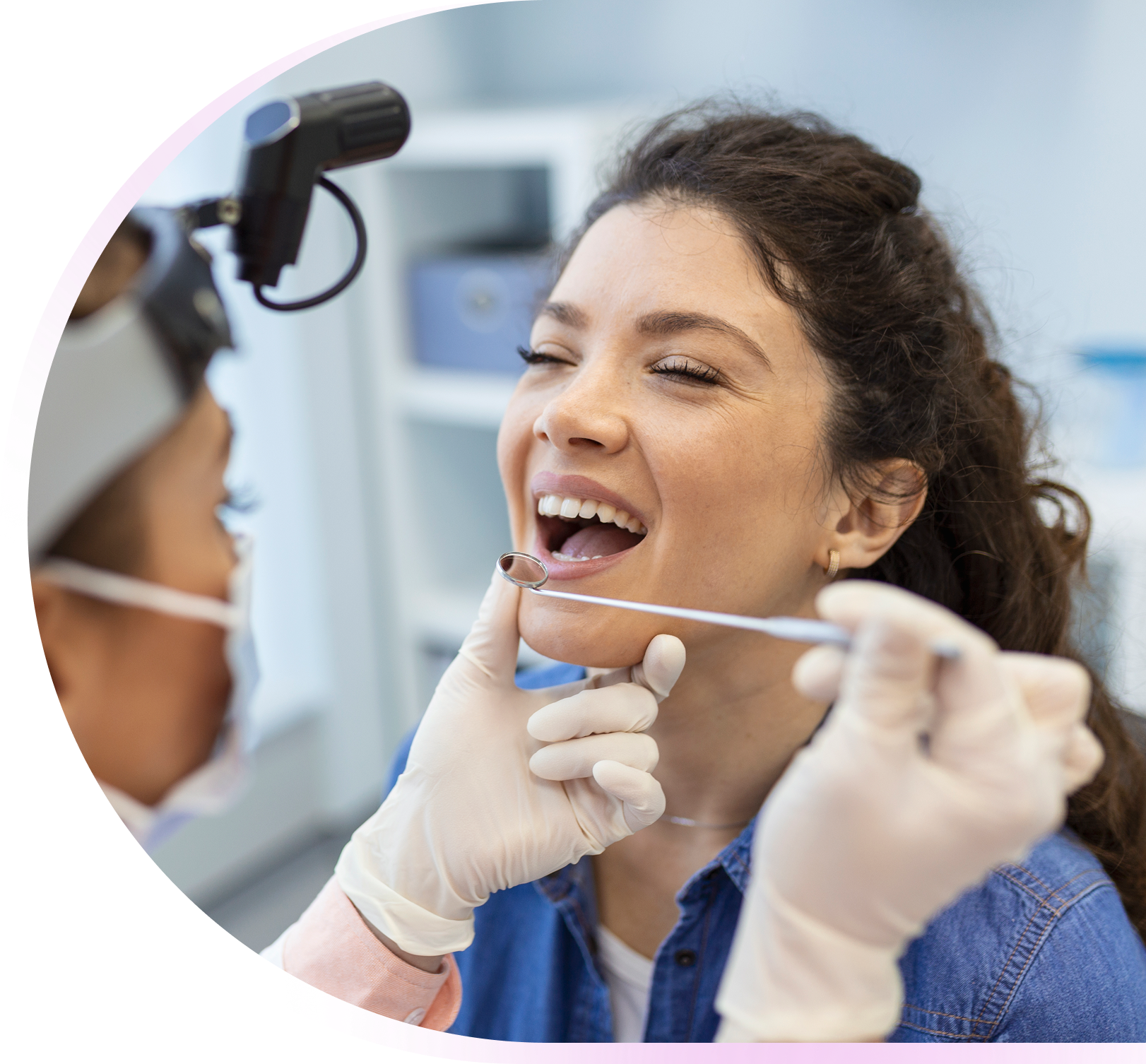

Missing teeth can create gaps that affect how your remaining teeth align and function. Dental bridges offer a stable restoration option that fills these spaces and supports the surrounding dental structure.
We provide restorative dentistry services aimed at addressing dental function. At Magical Smiles Bacchus Marsh, we recognise that every patient’s journey is unique and that treatment outcomes vary depending on individual circumstances. We provide restorative dentistry services using modern techniques, and we aim to explain procedures clearly and address your questions throughout treatment.

At Magical Smiles Bacchus Marsh, we believe that restorative dentistry is about more than placing crowns or dentures — it’s about restoring and maintaining your oral health. We assess your dental history and treatment needs before developing a treatment plan. Restorative treatment options will be discussed during your consultation.
We discuss treatment options and answer your questions so you can make informed decisions about your dental care. Whether you’re restoring a single tooth or exploring more complex options, such as bridges or dentures, our goal is to provide clear information about the options available to you.
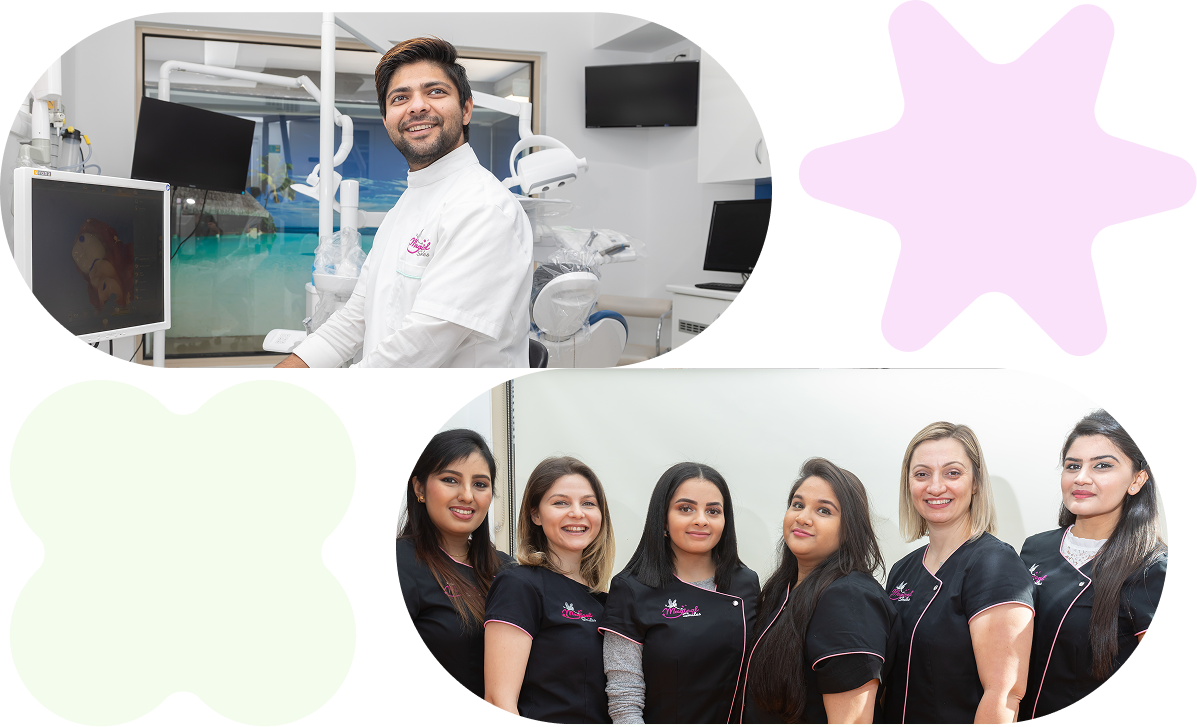

We provide restorative dentistry services to patients in Bacchus Marsh, Darley, Maddingley, and Melton. Our team builds relationships that extend beyond the treatment chair — because we believe that strong relationships are an essential part of care.
Whether you’re visiting us for minor dental work or a full-mouth restoration, you’ll be cared for with professionalism, compassion, and respect.
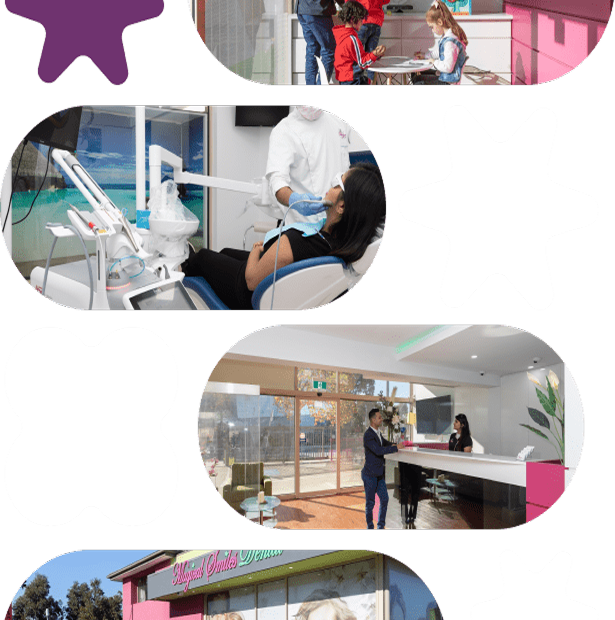
Dental bridge services in Bacchus Marsh may not be suitable for everyone, as successful placement depends on several factors related to your oral health. During a consultation, your dentist will assess your individual situation to determine whether a bridge is the right option for you. A traditional bridge may not be appropriate in the following situations:
The teeth on either side of the gap (called abutment teeth) need to be strong and stable, as they will bear the weight and pressure of the bridge.
These conditions must be addressed before a bridge can be placed, as they can compromise the stability and longevity of the restoration.
Traditional bridges require reshaping the teeth on either side of the gap to accommodate crowns, which involves removing some natural tooth structure.
The dentist providing dental bridges in Bacchus Marsh can discuss alternative tooth replacement options if a bridge is not suitable for your circumstances. Depending on your oral health needs, alternatives may include dental implants or removable partial dentures.
Dental bridges in Bacchus Marsh offer several potential benefits for people who have lost one or more teeth. Understanding these advantages can help you determine whether a bridge aligns with your oral health goals and lifestyle needs. Bridges may provide the following benefits:
Bridges can help you chew a wider variety of foods more comfortably, allowing you to maintain a balanced diet without avoiding certain textures or types of food.
If missing teeth have affected how you pronounce certain words or sounds, a bridge may help improve your speech patterns and self-esteem when speaking.
Bridges help support your facial muscles and jaw, which can help maintain your face’s natural contours over time.
A bridge fills the gap left by missing teeth, which may help prevent your remaining teeth from shifting or tilting into the empty space.
Unlike removable dentures, bridges are cemented in place, so you don’t need to take them out for cleaning or worry about them becoming loose during daily activities.
Your dentist can discuss how a bridge might benefit your specific situation during your consultation. Outcomes vary based on individual oral health circumstances and how well the bridge is maintained over time.
Like any dental procedure, bridges can carry some risks that you should be aware of before proceeding with treatment. Your dentist will discuss these potential complications with you during your consultation so you can make an informed choice about your care. Potential complications may include the following:
You may experience some sensitivity in the abutment teeth, particularly in the weeks following placement, as they adjust to supporting the bridge.
If oral hygiene is not maintained properly under and around the bridge, bacteria and plaque can accumulate, causing decay in the teeth that support the bridge.
The areas around the bridge can be difficult to clean thoroughly, and if bacteria accumulate along the gum line, it may lead to gum recession or inflammation over time.
The bridge material can chip, crack, or fracture, especially if you bite down on hard foods or objects, or if you have habits like teeth grinding.
Over time, the cement that holds the bridge in place may weaken, or the supporting teeth may change. This may lead to loosening and might require adjustment or replacement.
Regular dental checkups and diligent oral hygiene at home can help reduce these risks. Your dentist will provide guidance on caring for your bridge to help it last as long as possible.
Your dentist will use a local anaesthetic to numb the treatment area, so you may feel minimal discomfort while the bridge is being prepared and fitted.
During the adjustment period, you might feel slight pressure or awareness of the bridge when biting or chewing. This sensation often diminishes as you become accustomed to the bridge. If you experience ongoing pain or discomfort, your dentist can assess the bridge fit and make adjustments if necessary.
The lifespan of a dental bridge depends on several factors, including the materials used, the number of teeth being replaced, and how well you maintain your oral hygiene. Understanding what influences durability can help you care for your bridge effectively.
With proper care, a single-tooth bridge in Bacchus Marsh may last over 10 years. Some bridges may last even longer if they are well-maintained and the supporting teeth remain healthy. However, all bridges will eventually need to be replaced or adjusted due to normal wear and tear.
Traditional dental bridges in Bacchus Marsh are held in place by crowns that are cemented onto the teeth adjacent to the gap. These supporting teeth (called abutment teeth) are prepared by reshaping them slightly so the crowns can fit over them securely.
Once your dentist cements the bridge, it becomes a part of your mouth. You cannot remove it yourself for cleaning. Instead, you’ll need to clean under and around the bridge using special floss threaders or interdental brushes to remove food particles and plaque.
Some bridges are supported by dental implants rather than natural teeth. In these cases, the bridge attaches to implants surgically placed in the jawbone. Your dentist can explain which type of bridge is most suitable for your situation.
The cost of a dental bridge in Bacchus Marsh depends on several factors, including the type of bridge, the materials used, and your individual treatment needs. Below are general pricing guidelines to give you an idea of the costs for different types of dental bridges. Typical price ranges include the following:
$3,000-$4,700. This type of bridge is supported by a crown on a single adjacent tooth, rather than on both sides of the gap.
$4,700-$7,000. This is the most common type of bridge, where crowns on both sides of the gap hold the replacement tooth in place.
It should be noted that these figures are estimates only, and your dental treatment fees can vary based on the complexity of your case, any preparatory work needed, and the specific materials chosen. During your consultation, your dentist will examine your mouth and provide a more accurate quote tailored to your individual situation.
We also offer payment options for dental bridges to help make treatment more accessible. Our team can discuss flexible payment plans that allow you to spread the cost over time, making it easier to fit dental care into your budget.
Health fund cover for dental bridges varies significantly depending on your specific policy and level of cover. Many health funds provide some cover for major dental work, such as bridges, but the amount and conditions vary between providers and plans.
Our team can provide you with an itemised treatment quote that you can submit to your health fund for a pre-approval or estimate of what they will contribute towards your treatment. We’re also happy to process claims on your behalf if your health fund offers this service.
Even if your health fund provides partial cover, you may still have out-of-pocket expenses. Our team can discuss missing teeth replacement in Bacchus Marsh and help you understand your payment options for dental bridges, including payment plans if needed.
Schedule a consultation with your Bacchus Marsh dentist to discuss your oral health needs,
treatment suitability, and available options.

83 Gisborne Rd
Bacchus Marsh, VIC 3340