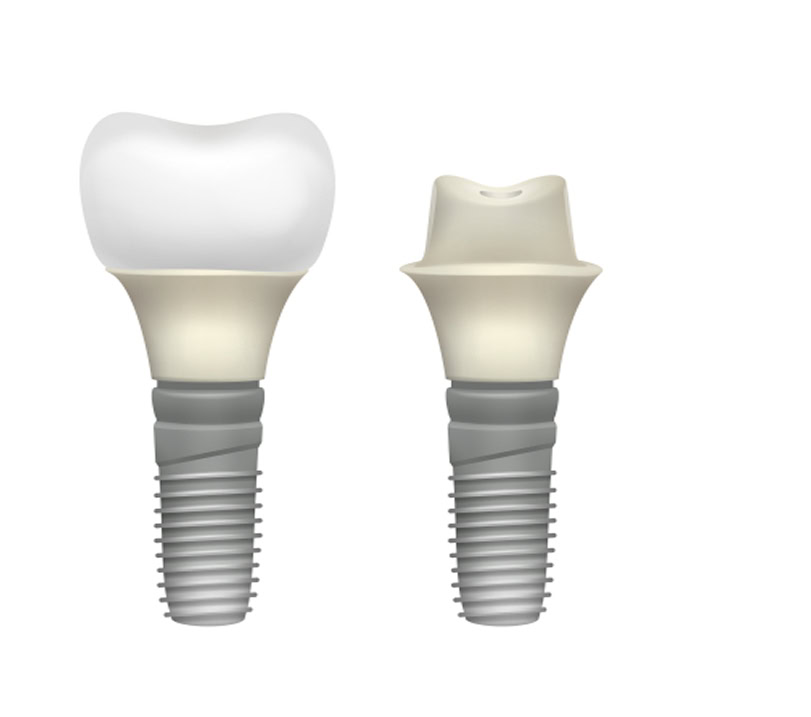




Losing multiple teeth can affect how you eat, speak, and feel about your smile. Removable dentures may loosen or become uncomfortable during everyday use. All-on-4 dental implants involve placing four implants in the jaw designed to support a full-arch bridge. This approach may be suitable for those seeking an alternative to traditional dentures and adhesive products.
Dental implants are one option for replacing missing teeth. When successful, they may help improve chewing function and speech, though outcomes vary depending on factors such as bone quality, overall health, and proper maintenance. At Magical Smiles Bacchus Marsh, we take a patient-centred approach. We consider your oral health, jawbone condition, and lifestyle before recommending implant treatment.
Our dental team has undertaken additional training in implant dentistry. It has equipped us with the knowledge to plan and place implants with precision. We carefully assess each case to determine if implants are a suitable choice. This process includes considering bone health, gum condition, and your overall oral health.
We provide dental implant services for single-tooth and multiple-tooth replacement. Each case is assessed individually to determine the appropriate treatment approach.
From your first consultation, we create a treatment plan that considers both the function and appearance of your new tooth or teeth. If needed, this plan may include preparatory steps, such as bone grafting, to support the implant.
We also consider important factors like your bite, jawbone strength, and long-term oral health. By planning each stage of the treatment carefully—from implant placement to healing and final restoration—we develop a treatment plan tailored to your situation. Treatment success depends on many factors that will be discussed during the consultation.
When successful and properly maintained, implants may function for many years, though individual outcomes vary. We provide guidance on how to look after your implant at home and encourage regular check-ups to maintain its health and function.
If you ever have concerns or need adjustments, our Bacchus Marsh team is here to help. We provide continuous support and maintenance guidance for your implant. Regular check-ups are important to monitor implant health and address any concerns.
Multiple dental implants are a more significant investment than single-tooth options, reflecting the complexity and scope of the procedure. Costs can increase depending on the number of implants included in your treatment plan.
Starts at*Pricing varies based on individual treatment needs. A detailed, itemised treatment plan and cost breakdown will be provided after your consultation and clinical assessment.
Each tooth includes both the implant and the crown, with $2,500 for the implant and $2,500 for the crown.
Pricing is calculated per implant. Additional procedures like bone grafting or sinus lifts, if required, will also affect the total cost.
Payment plans may be available from approximately $55 per week over two years for eligible patients.
Implant-retained dentures offer a cost-effective alternative to multiple individual implants. Pricing reflects the use of fewer implants to support a full denture, making it a suitable option for full-mouth restoration.
Starts at*Costs vary depending on denture type and complexity. A detailed, itemised treatment plan and cost breakdown will be provided after your consultation and clinical assessment.
This price includes two to four dental implants used to stabilise a removable denture for improved function and comfort.
The total cost can vary depending on the denture type. Additional procedures, such as extractions or bone grafting, may affect the final price.
Implant-retained dentures can help significantly reduce long-term maintenance costs compared to conventional removable dentures.
All-on-4 dental implants offer a cost-effective way to restore a full arch of teeth with fewer implants. This treatment offers a stable, long-lasting option at a lower overall cost than replacing each tooth individually.
Starts at*Final cost depends on individual oral conditions. A detailed, itemised treatment plan and cost breakdown will be provided after your consultation and clinical assessment.
The cost includes the surgical procedure, placement of four dental implants, and an implant-supported bridge for one arch—either upper or lower.
Final pricing may vary based on bone density, current oral conditions, or the need for extractions or grafting.
Costs may increase if tooth extractions are required before implant placement. Sedation or additional procedures may also be required.
A dental implant consultation in Bacchus Marsh provides a cost-effective way to explore your treatment options with clarity. You’ll receive a thorough evaluation and understand what to expect before making any financial commitment.
Starts atThe consultation includes a comprehensive dental assessment, along with X-rays and detailed treatment planning.
If you proceed with dental implant treatment, the consultation fee may be applied towards treatment costs, subject to stated conditions.
This informative appointment allows you to receive transparent pricing and professional recommendations based on your oral health needs.
We want to make your experience at Magical Smiles Bacchus Marsh as easy and straightforward as possible, including how you pay for your care.
We accept all major health funds, offer on-the-spot claims with HICAPS, and provide flexible payment plans through Zip, Afterpay, and National Dental Plan (NDP). We also welcome patients eligible for the Child Dental Benefits Schedule (CDBS) and Department of Veterans’ Affairs (DVA) programs.
If you have any questions about your options, our team is happy to guide you through the process.
Payment Plan Terms: All payment plans are subject to the provider’s eligibility criteria, terms, and conditions. Late fees may apply for missed payments. Treatment decisions are made based on clinical assessment, independent of payment options available.
Whether All-on-4 dental implants are worth it depends on your priorities for a tooth replacement. For some people, the upfront investment is balanced by potential long-term convenience, comfort, or changes in oral function. For others, different options may be more appropriate.
The following factors can help you weigh the suitability of All-on-4 treatment for your situation:
If you’ve lost most or all teeth in one or both arches, All-on-4 may be considered as a full-arch replacement option. It may reduce reliance on removable dentures and support oral function. People with only a few missing teeth might be better suited to alternative treatments. Your dentist can recommend the appropriate course of action after a full assessment.
This approach generally requires sufficient jawbone volume to secure the implants. The angled placement of implants in All-on-4 treatment may reduce the need for bone grafting in some cases. However, a detailed scan is needed to assess your bone volume and density. If bone loss is present, it may affect treatment options or require additional steps in the process.
Some people find traditional dentures uncomfortable or difficult to keep in place. All-on-4 bridges are not removed daily and are designed to remain in place during normal activities. If daily removal or adhesive use is challenging, this option may provide greater convenience for some patients. Oral hygiene routines and follow-up care remain essential for ongoing comfort and health.
All-on-4 dental implants may offer practical advantages based on your treatment needs and oral health. They are a fixed dentures alternative available for people seeking a full-arch restoration supported by implants.
The following examples highlight aspects of this approach that some patients find beneficial when planning full-arch restoration:
All-on-4 uses four implants to anchor a custom-made bridge that spans the entire upper or lower jaw. This approach uses four implants to support a full arch, which differs from some other implant treatment methods.
The angled positioning of implants in this technique is designed to use available bone more efficiently. For some patients with adequate bone volume, the angled positioning may allow implant placement without bone grafting. However, bone assessment is required to determine suitability.
The dental bridge is secured in place and not taken out daily like conventional dentures. This may be suitable for people who prefer a restoration that remains in place while eating, speaking, and socialising. However, proper oral hygiene and regular maintenance remain essential.
All-on-4 surgery is usually performed under local anaesthesia to help manage discomfort during the procedure. However, every person experiences dental procedures differently.
Here are examples of common experiences during and shortly after the procedure:
Even with effective anaesthesia, it’s normal to feel pressure or movement during implant placement. These sensations are generally not painful but may feel unusual or intense. Your dental team will monitor your comfort throughout the procedure.
Some people report a sensation of tightness in the jaw or mouth immediately after surgery. This may be due to tissue manipulation or the onset of swelling. It often subsides within the first few days.
Minor bleeding or numbness at the surgical sites may occur within hours after the procedure. Some lingering numbness is also possible as the anaesthetic wears off. These effects are generally temporary but should be monitored.
The time required for All-on-4 dental implant placement varies based on each person’s oral condition and clinical needs. In many cases, placing implants in one jaw may take approximately two to four hours.
The following factors may influence how long the procedure takes:
Placing full-arch dental implants in one jaw generally takes less time than restoring both the upper and lower jaws. Some patients complete both arches in a single appointment, while others follow a staged approach across multiple visits.
If remaining teeth need to be removed, or if adjustments to the bone or gums are planned, the appointment may take longer. These steps are often completed during the same surgical visit.
The amount and density of jawbone can affect how easily implants are placed. Certain anatomical features may require more time for careful planning and surgical placement.
All-on-4 dental implants may be considered by people who are exploring full-arch missing teeth replacement options. A dentist can determine if this approach aligns with your goals following a full assessment.
Below are examples of individuals who may discuss All-on-4 as part of their dental planning:
Those who have lost many teeth in the upper or lower jaw may consider All-on-4 to restore appearance and function. This option is sometimes considered when alternative methods, such as removable dentures, are no longer suitable or preferred.
Some people report that traditional dentures can feel uncomfortable or unstable during daily use. All-on-4 treatment uses implants to support a dental bridge that is designed to remain in place during normal activities, rather than being removed daily like conventional dentures. Suitability and outcomes vary for each individual and are determined after a full clinical assessment.
Successful placement of the implants requires sufficient bone in specific parts of the jaw. Your dentist will assess this with imaging before recommending the next steps.
The functional lifespan of All-on-4 dental implants varies significantly between individuals and depends on many factors, such as:
Daily brushing, flossing (or alternative cleaning techniques), and professional maintenance are essential to maintaining healthy gums and surrounding tissue. Poor hygiene can lead to gum inflammation or infection, which may affect the longevity of the implants.
Some health conditions, such as diabetes and osteoporosis, or certain habits, such as smoking, can impact the healing process and long-term bone stability. Your dentist will consider these factors when assessing your potential for implant maintenance.
Excessive pressure from grinding or clenching can put strain on the implants and bridge. In some cases, your dentist may recommend a night guard or other protective device to help reduce stress on the implant system.
Some implants may function for 10 years or more, while others may require earlier intervention. Your dentist can discuss other factors that may influence longevity.
Experiences after All-on-4 surgery can vary based on the individual and the specifics of the procedure. Your dentist will discuss what to monitor and how to care for the area during follow-up appointments.
Below are examples of what some patients may experience during recovery:
Swelling may develop within the first few days and could be accompanied by bruising near the cheeks or jaw. These responses are common following oral surgery. Cold packs may be recommended, depending on your dentist’s instructions.
Discomfort can vary after the anaesthetic wears off. This may include aching or tenderness near the surgical sites. Your dentist may suggest ways to manage this, such as over-the-counter medication or rest.
You may be advised to follow a soft-food diet for a short period. This can help prevent irritation at the surgical sites and allow the area time to heal. Speaking may also feel different at first as you adjust to the new dental bridge.
Consistent care is important to help support oral health and the function of your implant bridge. Like other forms of full-arch dental implants, All-on-4 requires daily cleaning and regular checkups, even though the bridge is not removable at home. Your dentist will provide instructions tailored to your needs.
Below are examples of how daily care and habits may contribute to ongoing oral maintenance:
Use a soft toothbrush to gently clean along the gumline and visible parts of the bridge. Some patients may be advised to use interdental brushes or a water flosser to help reduce plaque and food debris. Your dentist can show you an effective technique.
Scheduled reviews allow your dentist to check how the implants and surrounding tissue are responding. Professional cleaning may also be recommended to help manage plaque in hard-to-reach areas at home.
Chewing ice, pens, or hard packaging can place stress on the bridge or implant connections. Avoiding these habits may help reduce unnecessary wear over time.
A soft diet is often recommended during the healing phase to minimise pressure on the surgical area. After recovery, your dentist may discuss dietary recommendations based on your individual needs.
The total cost of All-on-4 dental implants varies, with the average price ranging from $23,670 to $46,475 per arch. Several factors may influence this:
Placing implants in both the upper and lower jaws usually increases cost compared with replacing one arch.
Planning often involves 3D imaging, such as cone beam CT scans and clinical photographs. These services may be included in the overall fee or charged separately.
If any teeth need to be removed before implants are placed, additional costs may apply based on the number and complexity of extractions.
The final bridge may be made of acrylic, zirconia, or other dental materials. The selection may influence durability, aesthetics, and laboratory costs.
Jawbone density, alignment, and other anatomical variations can affect the planning and duration of the procedure. More complex situations may require additional clinical time.
In some cases, this method may reduce the need for procedures like bone grafting. However, some patients may still require soft tissue or preparatory procedures.
Geographic differences, laboratory fees, and the type of clinical facility may contribute to pricing variation across providers.
Schedule a consultation with your Bacchus Marsh dentist to discuss your oral health needs,
treatment suitability, and available options.
83 Gisborne Rd
Bacchus Marsh, VIC 3340