


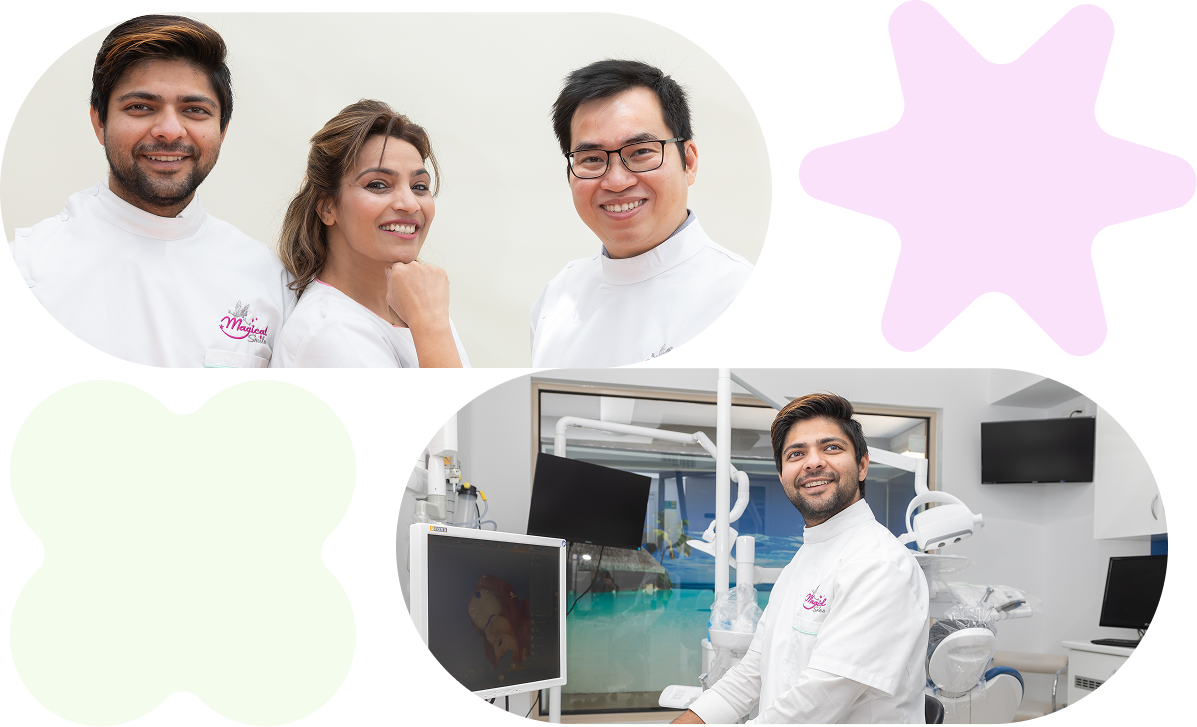
Our dental team has undertaken additional training in implant dentistry. It has equipped us with the knowledge to plan and place implants with precision. We carefully assess each case to determine if implants are a suitable choice. This process includes considering bone health, gum condition, and your overall oral health.
We provide dental implant services for single-tooth and multiple-tooth replacement. Each case is assessed individually to determine the appropriate treatment approach.
From your first consultation, we create a treatment plan that considers both the function and appearance of your new tooth or teeth. If needed, this plan may include preparatory steps, such as bone grafting, to support the implant.
We also consider important factors like your bite, jawbone strength, and long-term oral health. By planning each stage of the treatment carefully—from implant placement to healing and final restoration—we develop a treatment plan tailored to your situation. Treatment success depends on many factors that will be discussed during the consultation.
When successful and properly maintained, implants may function for many years, though individual outcomes vary. We provide guidance on how to look after your implant at home and encourage regular check-ups to maintain its health and function.
If you ever have concerns or need adjustments, our Bacchus Marsh team is here to help. We provide continuous support and maintenance guidance for your implant. Regular check-ups are important to monitor implant health and address any concerns.
Multiple dental implants are a more significant investment than single-tooth options, reflecting the complexity and scope of the procedure. Costs can increase depending on the number of implants included in your treatment plan.
Starts at*Pricing varies based on individual treatment needs. A detailed, itemised treatment plan and cost breakdown will be provided after your consultation and clinical assessment.
Each tooth includes both the implant and the crown, with $2,500 for the implant and $2,500 for the crown.
Pricing is calculated per implant. Additional procedures like bone grafting or sinus lifts, if required, will also affect the total cost.
Payment plans may be available from approximately $55 per week over two years for eligible patients.
Implant-retained dentures offer a cost-effective alternative to multiple individual implants. Pricing reflects the use of fewer implants to support a full denture, making it a suitable option for full-mouth restoration.
Starts at*Costs vary depending on denture type and complexity. A detailed, itemised treatment plan and cost breakdown will be provided after your consultation and clinical assessment.
This price includes two to four dental implants used to stabilise a removable denture for improved function and comfort.
The total cost can vary depending on the denture type. Additional procedures, such as extractions or bone grafting, may affect the final price.
Implant-retained dentures can help significantly reduce long-term maintenance costs compared to conventional removable dentures.
All-on-4 dental implants offer a cost-effective way to restore a full arch of teeth with fewer implants. This treatment offers a stable, long-lasting option at a lower overall cost than replacing each tooth individually.
Starts at*Final cost depends on individual oral conditions. A detailed, itemised treatment plan and cost breakdown will be provided after your consultation and clinical assessment.
The cost includes the surgical procedure, placement of four dental implants, and an implant-supported bridge for one arch—either upper or lower.
Final pricing may vary based on bone density, current oral conditions, or the need for extractions or grafting.
Costs may increase if tooth extractions are required before implant placement. Sedation or additional procedures may also be required.
A dental implant consultation in Bacchus Marsh provides a cost-effective way to explore your treatment options with clarity. You’ll receive a thorough evaluation and understand what to expect before making any financial commitment.
Starts atThe consultation includes a comprehensive dental assessment, along with X-rays and detailed treatment planning.
If you proceed with dental implant treatment, the consultation fee may be applied towards treatment costs, subject to stated conditions.
This informative appointment allows you to receive transparent pricing and professional recommendations based on your oral health needs.
We want to make your experience at Magical Smiles Bacchus Marsh as easy and straightforward as possible, including how you pay for your care.
We accept all major health funds, offer on-the-spot claims with HICAPS, and provide flexible payment plans through Zip, Afterpay, and National Dental Plan (NDP). We also welcome patients eligible for the Child Dental Benefits Schedule (CDBS) and Department of Veterans’ Affairs (DVA) programs.
If you have any questions about your options, our team is happy to guide you through the process.
Zip offers flexible payment plans that let you cover dental treatment costs over time. You can choose a payment schedule that suits your budget. Treatment proceeds following clinical assessment.
The longevity of implant-retained dentures depends on several clinical and lifestyle factors. Below is a clear, factual overview of the factors that typically influence their lifespan, in accordance with current clinical standards.
Tooth implants that support the denture are made of biocompatible materials, such as titanium, and can last for years when well-maintained. Research indicates that with proper oral care, implant fixtures can function effectively for more than a decade, and in many cases, significantly longer.
An overdenture connected to implants usually requires maintenance or replacement of attachment components (such as clips or locators) every few years. These small parts experience normal wear from daily use and are replaced during routine dental visits to maintain a secure fit.
Consistent oral hygiene, including daily cleaning and regular professional reviews, is essential to prevent complications such as periodontal inflammation and peri-implant disease. Regular dental checkups allow the dentist to assess implant stability and make necessary adjustments, supporting long-term success.
Smoking, uncontrolled diabetes, and poor oral hygiene can reduce implant longevity by affecting bone and gum health. Maintaining general health and following post-treatment instructions from the dental team contribute significantly to lasting outcomes.
Implant-retained or fixed dentures may offer long-lasting function when supported by healthy oral tissues, consistent cleaning routines, and scheduled dental maintenance visits. Individual outcomes vary, and complications can occur even with proper care, so personalised advice from a qualified dentist is recommended.
An implant-retained prosthesis provides a stable, secure way to replace missing teeth by anchoring the prosthesis to implants placed in the jawbone. This treatment combines the reliability of implants with the convenience of removable dentures to improve comfort and function for suitable patients.
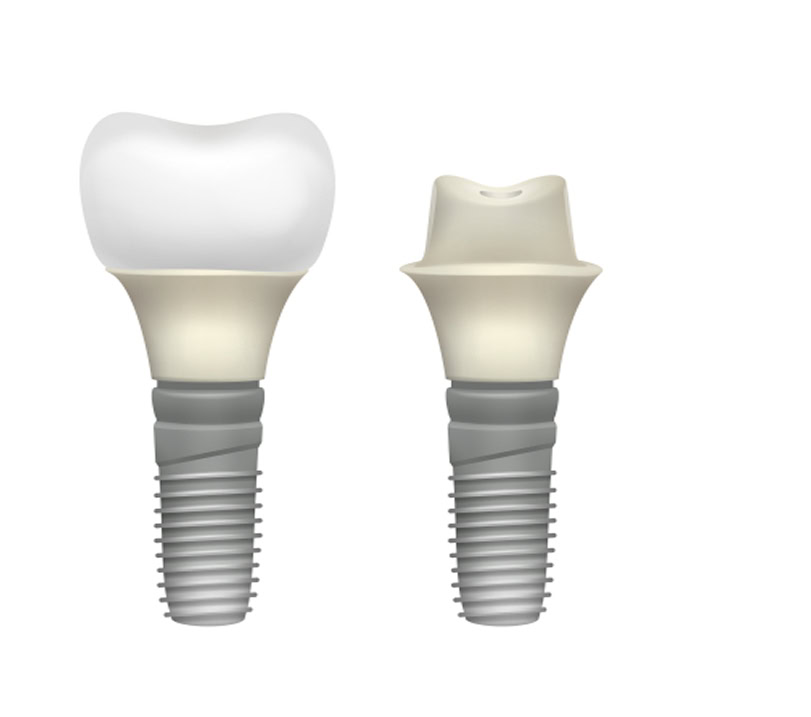
A dentist places small titanium posts into the jawbone. These implants act as artificial tooth roots and provide a foundation for attaching the denture.
Over time, the surrounding bone fuses with the implants through a natural healing process called osseointegration. This creates a stable, long-lasting base that helps prevent the denture from moving during speaking or eating.
Once healing is complete, small connectors (called abutments) are secured to the implants. These serve as the link between the implant and the denture, allowing for easy removal and maintenance.
An implant-retained prosthesis combines the strength of tooth implants with the convenience of a removable denture. This approach helps eligible patients restore stability and may improve the function and appearance of their smile under professional dental supervision.
Implant-retained prosthesis are intended to look and feel natural because they are securely supported by tooth implants placed in the jawbone. This stability allows the denture to sit closely against the gums, creating a more lifelike appearance compared to traditional removable dentures. The shape, size, and shade of the teeth are customised to complement your facial features and smile. During your consultation, your dentist will discuss design options and expected appearance so you can choose the approach that fits your dental needs.
While dentures with implants aim to provide a natural-looking result, outcomes vary from person to person. Factors such as bone structure, gum health, and the type of restoration — for example, an All-on-4 treatment — can influence the final appearance. Your dentist will review these considerations with you nd explain what results are realistic for your situation. With proper planning and care, the dentures are designed to achieve a natural appearance, though individual aesthetic outcomes vary.
Yes, after receiving an implant-retained prosthesis, there are several important restrictions and care guidelines to help promote proper healing and long-term success. These recommendations are based on general post-treatment care principles and may vary depending on individual clinical circumstances. Patients should always follow their dentist’s personalised advice.
Patients are generally advised to avoid hard, crunchy, or sticky foods for the first few weeks following implant placement to allow the surrounding tissues to heal properly. Soft foods are typically recommended during this time.
Good oral hygiene is essential to reduce the risk of infection around the implants. Patients should follow their dentist’s cleaning instructions carefully, using appropriate brushes or cleaning aids intended for implant care.
Smoking and excessive alcohol consumption can interfere with healing and increase the risk of implant complications. Patients are usually advised to avoid these habits, particularly during the healing phase.
Scheduled dental visits are important for monitoring healing, checking the fit of the denture, and assessing how well the implants are integrating. Skipping follow-up appointments may delay the detection of potential issues.
Some patients can gradually resume normal eating and daily activities as healing progresses, though timelines vary. The dentist will provide guidance tailored to each patient’s recovery.
Following these restrictions and care recommendations supports healing and helps maintain the function of the implant-retained prosthesis over time. For personalised instructions, patients should consult their dentist.
An implant-retained prosthesis offers a modern and stable alternative to traditional removable dentures, providing functional and aesthetic advantages. However, as with any dental procedure, they also carry certain clinical risks and considerations that should be discussed during a personalised consultation with a registered dentist.
Benefits
Implant-retained overdentures are anchored to implants placed in the jaw, which may help reduce movement during speaking and eating. Many patients report improved chewing efficiency.
Because the denture is supported by implants rather than resting solely on the gums, patients experience less irritation and improved comfort over time.
Tooth implants help to stimulate the jawbone, which may reduce the bone loss commonly associated with long-term denture wear. This can help maintain facial shape and oral function.
An implant-retained prosthesis aims to provide a look and feel similar to natural teeth.
Complications
Placement of tooth implants requires minor oral surgery and carries general surgical risks, including infection, bleeding, and delayed healing.
In some cases, an implant may not fully integrate with the bone or may loosen over time, requiring further treatment or replacement.
Individual outcomes, experiences, and treatment responses. Every dental treatment has unique benefits and risks, and the suitability for an implant-retained prosthesis depends on each person’s oral health, bone quality, and treatment goals. A consultation with a registered dentist at Magical Smiles Bacchus Marsh can help determine the most appropriate approach for your dental needs.
The cost of an implant-retained prosthesis can vary depending on several clinical and personal factors. Each treatment plan is tailored to the individual’s oral health needs and goals, so there is no single set price. Below are the key considerations that influence the overall cost.
The total cost begins with a comprehensive consultation, where your dentist evaluates your oral health, bone structure, and suitability for implant tooth replacements. This assessment helps determine the number of implants needed and whether any preliminary procedures are required before treatment.
The number of artificial tooth roots placed to support the denture will significantly affect the overall fee. In some cases, two implants may be sufficient; in others, four or more may be needed to achieve added stability, depending on individual anatomy and goals.
Different types of dentures—such as removable overdentures or fixed implant-supported bridges—have varying levels of complexity, materials, and laboratory requirements. These differences contribute to variations in overall cost.
Some patients may require preparatory procedures, such as bone grafting, extractions, or soft-tissue management, to support implant stability and long-term success. These additional treatments can influence the total investment in care.
High-quality biocompatible materials and precise laboratory fabrication are critical to the longevity and function of the final denture. These components are included in the total treatment fee.
Every patient’s situation is unique, and treatment requirements can vary based on individual oral health needs. The most accurate way to understand the cost of an implant-retained prosthesis is through a professional consultation followed by a written treatment plan tailored to your circumstances.
Health funds may provide some level of cover for an implant-retained prosthesis, depending on your individual policy. Each health fund categorises implant and denture procedures differently, so benefits can vary widely between providers. It is recommended to review your policy details or contact your provider directly to confirm which components are eligible. Our team can also provide item numbers to help you verify potential benefits with your fund.
Cover for an implant-retained overdenture may involve surgical and prosthetic components, which are often assessed under separate categories within the health fund. Some policies may include partial benefits for denture fabrication, while implant placement may attract different limits or waiting periods. Understanding these distinctions helps you plan for treatment costs and avoid unexpected out-of-pocket expenses. Before proceeding, it’s advisable to discuss your options with both your dentist and your health fund provider.
*Implant-Retained Dentures at Magical Smiles Bacchus Marsh are performed by our team of registered general dentists. A consultation is required to determine your needs. Treatment outcomes vary depending on your oral health and other individual factors. Any surgical or invasive procedure carries risks. Before proceeding, you should seek a second opinion from an appropriately qualified health practitioner.
Schedule a consultation with your Bacchus Marsh dentist to discuss your oral health needs,
treatment suitability, and available options.
83 Gisborne Rd
Bacchus Marsh, VIC 3340