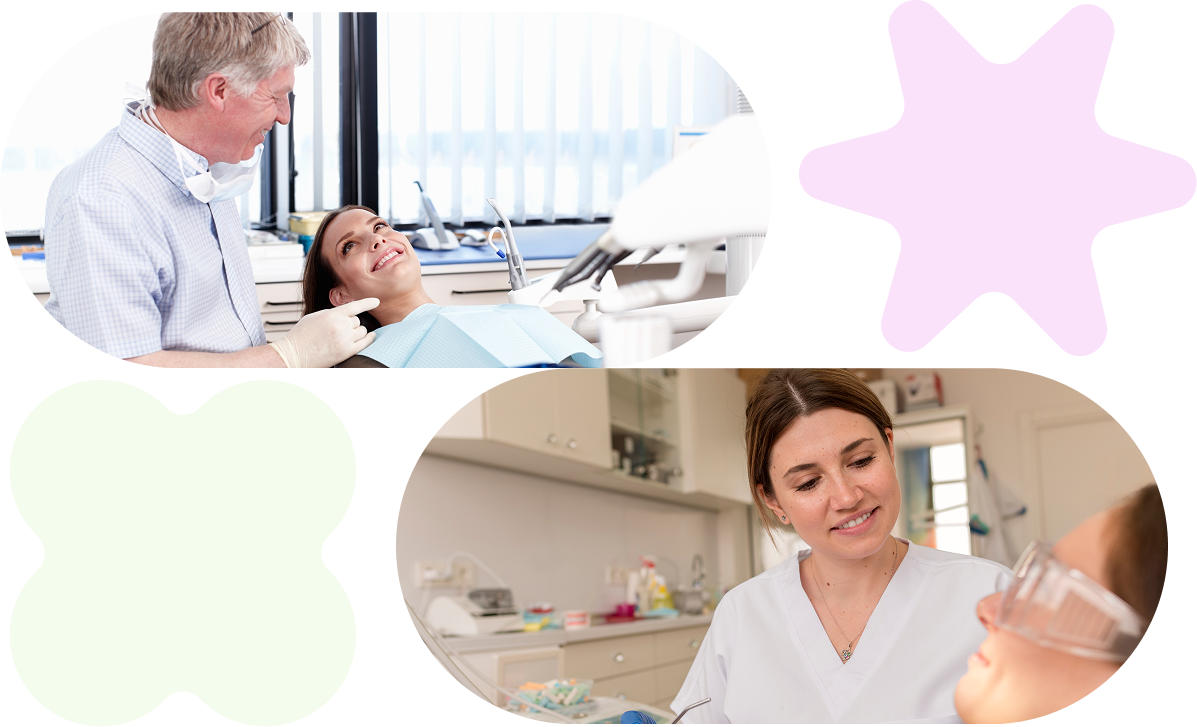
Tooth decay, cracks, and missing teeth can interfere with chewing, speaking, and oral hygiene. If not addressed, these issues may contribute to gum irritation or shifting of surrounding teeth. Early dental assessment helps determine appropriate options.
Treatments such as crowns, dentures, and bridges are designed to support the structure and function of teeth. Suitability, risks, and likely outcomes vary for each person. Your dentist will explain the benefits, alternatives, and what is appropriate for your circumstances.
 Dental Crowns
 Dentures
 Dental Bridges Dental Crowns
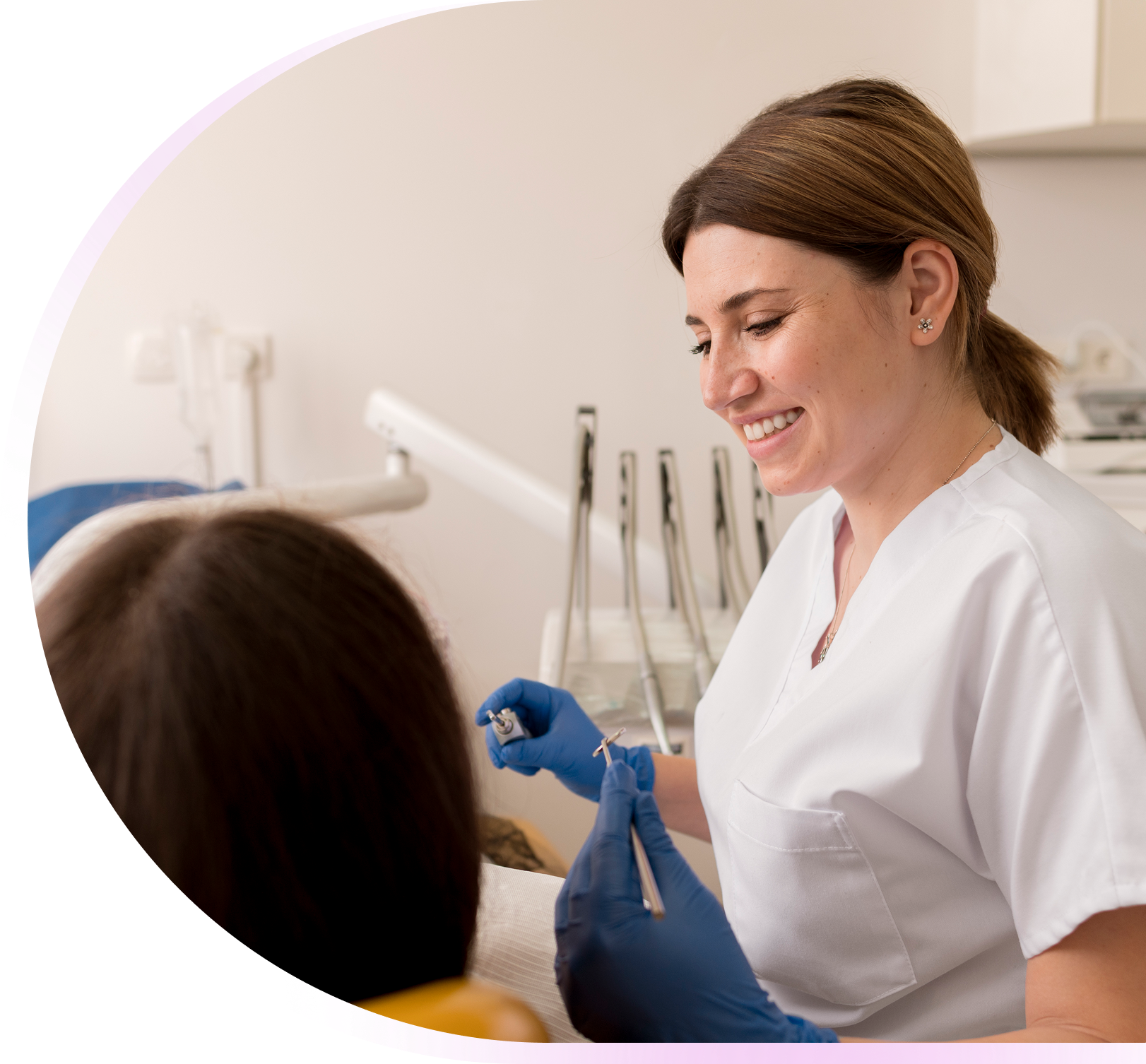
Dental crowns are used to cover teeth that are damaged, worn down, or weakened. They can restore shape and function as part of a broader restorative treatment plan.
We provide dental crowns in Bacchus Marsh, with custom-made caps designed to fit securely over teeth. Options may include porcelain, metal, or a combination of materials.
Dentures

If you’re missing one or more teeth, dentures may help fill the gaps and improve your ability to eat and speak comfortably. These removable prosthetics are designed to replace missing teeth and gum tissue.
Depending on your oral health needs, full or partial dentures may be recommended. Each set is custom-shaped to fit the contours of your mouth for daily use.
Dental Bridges
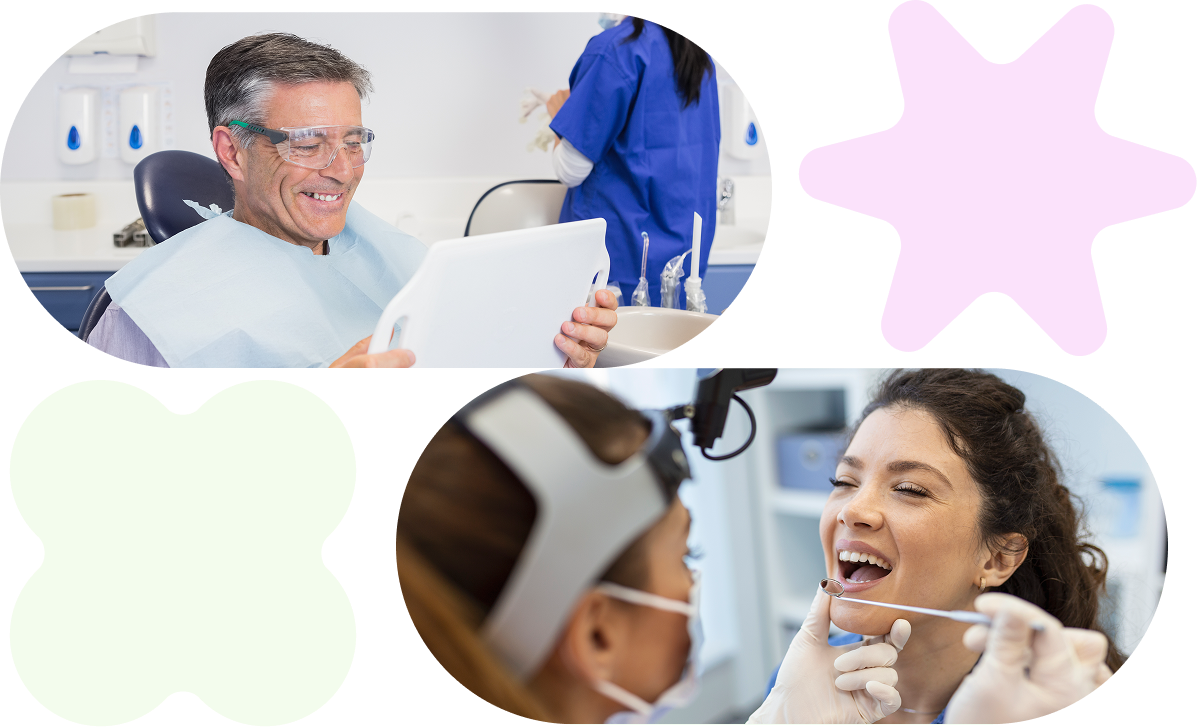
When consecutive teeth are missing, a dental bridge may be recommended as part of your treatment plan to restore function. This option can assist with chewing and maintaining proper alignment.
Our clinic offers dental bridges in Bacchus Marsh, where crowns are placed on neighbouring teeth and joined to a false tooth that fills the space.

Restorative dentistry may be considered for concerns like damaged, decayed, or missing teeth. It aims to improve oral function and preserve long-term health. You may be suitable for treatment in the following situations:
You have one or more teeth that are decayed, cracked, or worn down, and you’ve been advised that treatment may help maintain function or prevent further damage.
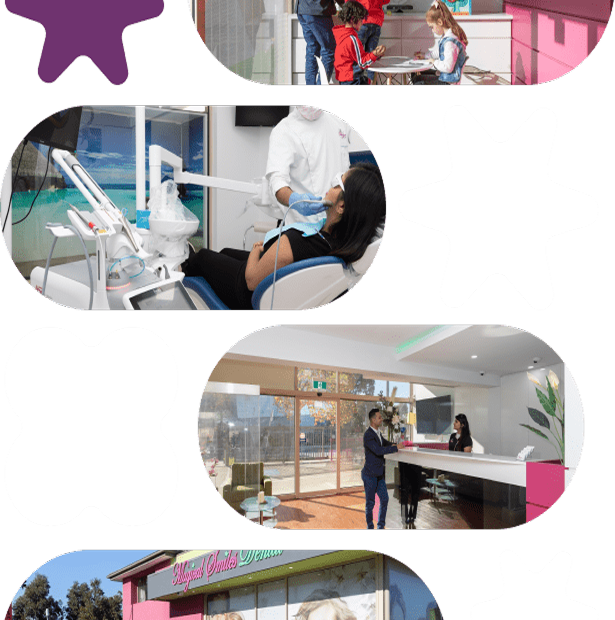

At Magical Smiles Bacchus Marsh, we believe that restorative dentistry is about more than placing crowns or dentures — it’s about restoring and maintaining your oral health. We assess your dental history and treatment needs before developing a treatment plan. Restorative treatment options will be discussed during your consultation.
We discuss treatment options and answer your questions so you can make informed decisions about your dental care. Whether you’re restoring a single tooth or exploring more complex options, such as bridges or dentures, our goal is to provide clear information about the options available to you.
We use current restorative dentistry techniques in our practice. Our clinic uses digital scanning equipment and tooth-coloured restoration materials. Treatment approaches are selected based on individual clinical needs. Material selection depends on clinical requirements.
Patient comfort is important, too. If you’re feeling nervous or experience dental anxiety, please let us know. We can discuss ways to help manage discomfort during procedures.


We provide restorative dentistry services to patients in Bacchus Marsh, Darley, Maddingley, and Melton. Our team builds relationships that extend beyond the treatment chair — because we believe that strong relationships are an essential part of care.
Whether you’re visiting us for minor dental work or a full-mouth restoration, you’ll be cared for with professionalism, compassion, and respect.

With a calm and thoughtful approach to care, Dr. Rachna provides dentistry that reflects each patient’s goals, comfort level, and treatment preferences.
Learn More
Dr. Amolak brings a friendly, personalised style to general dentistry and takes care to understand the specific concerns of each patient.
Learn More
Patient-focused and attentive, Dr. Ankita aims to help patients feel at ease and guides them through their treatment plans in a clear, approachable manner.
Learn More
Dr. Christian takes a collaborative role in care and enjoys helping patients navigate their dental choices and feel involved in treatment planning.
Learn MoreWe want to make your experience at Magical Smiles Bacchus Marsh as easy as possible, including how you pay for your care.
Treatment recommendations at our clinic are always based on clinical assessment and your individual health needs, and payment options are provided to support access to clinically appropriate care.
We accept all major health funds, offer on-the-spot claims with HICAPS, and provide flexible payment plans through Zip, Afterpay, and National Dental Plan (NDP). Payment plan eligibility, fees, interest rates, and terms are determined by the individual provider. We also welcome patients eligible for the Child Dental Benefits Schedule (CDBS) and Department of Veterans’ Affairs (DVA) programs.
If you have any questions about your options, our team is happy to guide you through the process.
*Payment plan terms vary by provider. Interest-free periods may apply. Late fees and interest may apply after promotional periods. The total cost may exceed the treatment price if interest applies. Approval and terms are determined by the payment provider. Full terms and conditions provided during consultation.



Important: Accessing superannuation for dental treatment has significant long-term financial implications for your retirement. Independent financial advice is essential before considering this option.
Some patients may inquire about accessing superannuation funds for dental treatment. SuperCare is an external service that facilitates superannuation access in limited circumstances where specific financial hardship criteria may be met.
If you are independently considering this option, you must seek advice from a qualified, independent financial advisor who can assess your specific financial circumstances and retirement planning needs. Clinical necessity must be confirmed during your dental consultation, and you must understand the long-term implications for your retirement savings. Eligibility is determined by the Australian Taxation Office, not by our clinic.
SuperCare is a service that facilitates access to superannuation funds for dental treatment in limited circumstances. Some patients may be eligible to access their superannuation funds for dental care under specific financial hardship criteria set by superannuation providers. This option should only be considered after receiving independent financial advice from a qualified financial advisor, confirming clinical necessity during your dental consultation, and understanding the long-term implications for your retirement savings.
Treatment decisions at our clinic are always based on clinical assessment and your individual health needs, never on financial considerations. Suitability for any treatment is assessed following a thorough clinical examination, regardless of how you choose to fund care.
For questions about payment options our clinic offers directly, please see the sections above regarding payment plans, health fund claims, and other financing arrangements.
Restorative dental treatment may be considered for people experiencing structural or functional changes to their teeth. A dental professional will assess your oral health to determine whether specific procedures may be clinically appropriate.
You may be considered for restorative dental treatment if your dentist identifies one of the following clinical situations during your assessment:
Individuals with cracked, worn, or chipped teeth may be assessed for restorations. This may help address structural changes or improve how the tooth functions.
If one or more teeth are missing, a dentist may recommend options like dentures, bridges, or implants. Replacing missing teeth can contribute to improved chewing ability and tooth alignment.
Patients with decay ranging from minor to extensive may require restorative procedures, such as crowns. These treatments aim to restore affected tooth surfaces while preserving healthy tissue.
Older restorations that are worn or no longer functioning as intended may need to be replaced or restored. A dentist will evaluate the condition of existing crowns or dentures.
You may be considered if you experience discomfort while eating or speaking: Pain or sensitivity caused by damaged or missing teeth can interfere with daily activities. In some cases, restorative treatment may help improve comfort and allow for better chewing efficiency.
The value of restorative dentistry depends on your individual circumstances. These treatments are not always necessary, but they may help manage symptoms, prevent complications, or maintain long-term dental stability in some cases.
The following factors can help you and your dentist decide whether a restorative procedure may be worthwhile in your situation:
Some patients prioritise maintaining natural teeth, improving ease when chewing, or addressing daily function. If a treatment aligns with these preferences, it may be considered a suitable option. Your dentist can discuss what may be realistic in your situation.
The condition of your teeth, gums, bone health, and previous dental work will help inform the recommendation. Restorative procedures may be suggested when they offer a clinically appropriate way to manage changes in oral function. Every case is assessed individually.
A missing or damaged tooth can affect chewing, speaking, or cleaning. If not addressed, this may lead to shifting teeth or added strain on neighbouring areas. Treatment may help reduce these risks over time.
Some materials may be chosen based on their strength and ability to withstand bite forces. Your dentist will explain which options may offer long-term function based on your clinical needs. These choices are made on a case-by-case basis.
For some people, restoring teeth may contribute to improved comfort during eating or speaking. It may also reduce concerns about appearance, which can influence social interactions and self-esteem.
At our clinic, we view restorative dentistry as worthwhile when it supports your oral health goals. If you’re considering options for a chipped, damaged, or cracked tooth in Bacchus Marsh, we can discuss what may suit your needs.
Restorative dentistry may offer functional or preventative benefits in certain situations. These treatments are generally recommended based on clinical findings and how specific procedures may assist with maintaining oral function or avoiding further complications.
The following are examples of potential advantages when restorative treatment is considered appropriate:
Choosing options to restore a damaged tooth or replace missing teeth may enhance comfort when chewing and improve speech. These procedures are commonly used to address difficulties caused by changes in oral structure.
Unaddressed tooth loss or decay can lead to gum irritation, bite changes, or shifting of surrounding teeth. In these cases, restorative procedures may help prevent further issues from developing.
Certain restorations may be designed to make it easier to clean around teeth and gums. This may assist with plaque removal and daily oral hygiene.
Some restorative materials are chosen for their ability to withstand normal chewing pressure. They may help protect vulnerable areas of a tooth and reduce stress on adjacent teeth.
Addressing tooth loss or instability at an early stage supports the natural alignment of the jaw. This may also reduce the strain placed on surrounding teeth and joints over time.
Your individual needs will guide whether these benefits are relevant to you. At our clinic, we provide restorative dentistry in Bacchus Marsh with a focus on tailoring treatment to your oral health and long-term goals.
The duration of restorative procedures can vary. While some can be completed in a single visit, others may take several appointments over a longer period.
Here are some factors that may influence how long your dental restoration takes:
A filling may be completed in one visit, while restorations like crowns, bridges, or implants often involve multiple steps. Some procedures require more preparation or materials.
Restoring a single tooth is usually more straightforward than working on several. Complex cases may be spread across appointments for accuracy and patient comfort.
Custom-made restorations, such as crowns or dentures, are often designed off-site. The time needed for lab work can vary depending on the case.
Certain procedures, especially those involving bone or soft tissue, may include healing phases between appointments. Interim options may be used during this time.
The timing of appointments may also depend on the clinic’s availability and how appointments are spaced. Your treatment plan may be structured over weeks or months.
For patients considering options for cracked, damaged, or broken teeth in Bacchus Marsh, treatment may take a single visit or extend across several appointments. Book a consultation to learn how long your procedure may take.
Looking after your teeth following a dental restoration may help maintain oral function and reduce the risk of future complications. While your dentist will provide personalised guidance based on the procedure you’ve had, the following habits are commonly recommended after restorative treatment:
These may include avoiding certain foods, using a prescribed mouthwash, or waiting before brushing the area. Instructions will vary depending on the type of restoration and healing requirements.
Continue daily brushing with a soft-bristled toothbrush and fluoride toothpaste, and clean between teeth using floss or interdental brushes. Your dentist may recommend modified techniques to avoid disturbing the restoration.
Ongoing reviews allow your dentist to check the condition of the restoration and surrounding areas. Any adjustments or concerns can be addressed early to help avoid further issues.
Items like ice, hard nuts, crusty bread, toffees, and chewy lollies can place stress on restorations. Avoiding these may reduce the risk of cracks, dislodgement, or excess wear. This is especially important during the initial adjustment period.
If you grind or clench your teeth, your dentist may suggest strategies to reduce pressure on your restoration. In some cases, a night guard or stress management techniques may be discussed.
Biting nails or opening packaging with your teeth can damage both natural teeth and restorations. Being mindful of these habits can help preserve the results of your treatment.
Personalised aftercare is guided by your procedure and oral health needs. For continued support from a local dentist for damaged teeth, our clinic offers care focused on long-term function and comfort.
Some restorative dental procedures may be recognised by private health funds, depending on the details of your individual policy. Each provider has different classifications and claim processes, and not all procedures are listed across all plans.
The following steps can help you check if your proposed treatment is recognised by your health fund:
Look through your current policy to see which dental procedures may be listed. Health fund providers often classify dental items differently, depending on the treatment type.
Once you’ve received a treatment plan, your dentist can provide dental item codes for each proposed procedure. These codes are used by health funds to process claims.
Ask whether the listed procedures are included in your policy and whether any claim limits, exclusions, or waiting periods apply. This can help you understand potential out-of-pocket expenses.
Some health funds place annual limits on claims or have separate limits for different types of dental procedures. Knowing these limits can help with planning.
Your dentist can assist by providing item numbers, but only your health fund provider can confirm what is included in your specific policy.
Schedule a consultation with your Bacchus Marsh dentist to discuss your oral health needs,
treatment suitability, and available options.

83 Gisborne Rd
Bacchus Marsh, VIC 3340