





Replace Missing Teeth

Enjoy a Complete Smile With Multiple Dental Implants

Multiple dental implants can replace several missing teeth to restore function and appearance. Results vary and depend on bone health, oral hygiene, and individual factors.
About Multiple Dental Implants

A Modern Option for Missing Teeth

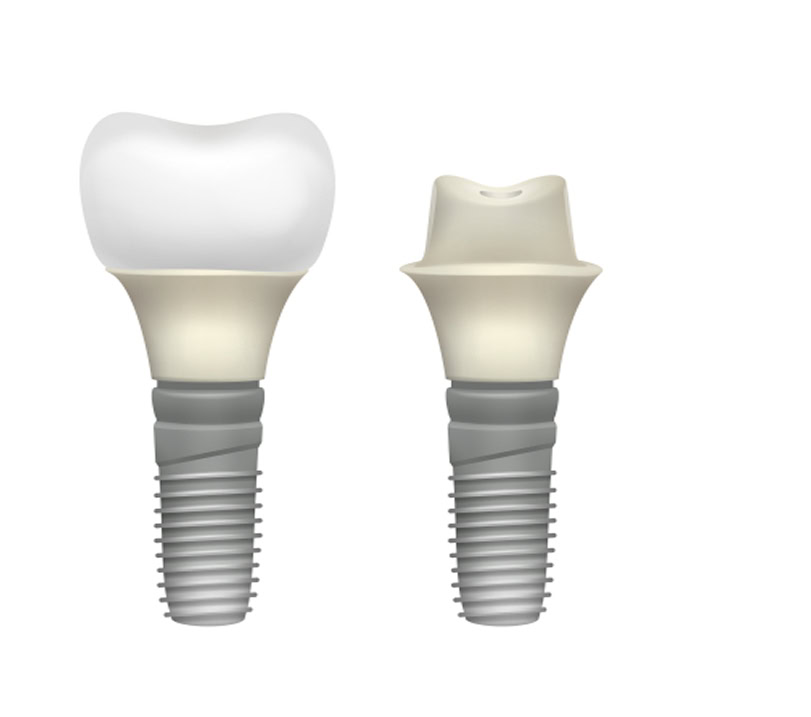
Missing several teeth can make eating and speaking more difficult, and may change the appearance of your mouth and smile. Multiple implants provide a stable, long-term alternative to removable dentures by anchoring natural-looking replacement teeth to the jawbone. This modern, evidence-based approach aims to replace missing teeth, supporting oral function and appearance. Outcomes vary, and results depend on bone health, healing, and individual patient circumstances.
magical smiles point cook service detail s2 right img.jpg
candidate dental implant.png

The Benefits of Dental Implants

Finding Out if You’re a Suitable Candidate

Multiple implants may be an option if you’re missing several teeth and want a long-term tooth replacement option. Below are common factors dentists consider when assessing suitability for this treatment:
  • You may be a good candidate if you have several missing teeth in one or both arches. This allows implants to restore function and appearance effectively.
  • You should have healthy gums and an adequate jawbone to support the implants. Your dentist can assess this through a clinical exam and diagnostic imaging.
  • If you’re in good general health and don’t smoke, you’re more likely to heal well after implant surgery. Smoking can interfere with recovery and implant success.
  • You may also be suitable if you’re unhappy with removable dentures. Implants can offer a more secure and natural-feeling alternative.

The Benefits of Dental Implants

How Multiple Dental Implants Help You

Multiple dental implants offer a stable and long-term option for replacing several missing teeth. Here are some of the benefits of multiple dental implants:
  • Multiple dental implants provide a stable foundation for replacement teeth, enhancing bite strength and overall comfort. This stability may help patients chew a wider range of foods more comfortably.
  • By stimulating the jawbone where teeth are missing, implants help prevent bone loss and preserve natural facial contours.
  • Unlike removable dentures, implants remain securely in place, helping you speak more clearly and reducing discomfort during daily activities.
  • Replacing multiple teeth with implants may help restore oral function and appearance. Outcomes vary, and your dentist will explain expected results based on your oral health and individual circumstances.
about bmd min.png

Learn more about the process

Lorem ipsum dolor sit amet, consectetur adipiscing elit. Duis nec condimentum urna. Vivamus facilisis, tellus at feugiat fringilla, ligula neque porttitor lorem, nec iaculis ex sapien in mi. Suspendisse potenti
magic smiles service detail s5 list 1 img.png

2036

2036

Assessment & Planning (including 3D imaging)

Lorem ipsum dolor sit amet, consectetur adipiscing elit. Duis nec condimentum urna. Vivamus facilisis, tellus at feugiat fringilla, ligula neque porttitor lorem, nec iaculis ex sapien in mi. Suspendisse potenti.
magic smiles service detail s5 list 2 img.png

2037

2037

Implant Placement & Temporary Crown

Lorem ipsum dolor sit amet, consectetur adipiscing elit. Duis nec condimentum urna. Vivamus facilisis, tellus at feugiat fringilla, ligula neque porttitor lorem, nec iaculis ex sapien in mi. Suspendisse potenti.
magic smiles service detail s5 list 3 img.png

2038

2038

Final Crown Fit & Smile Complete

Lorem ipsum dolor sit amet, consectetur adipiscing elit. Duis nec condimentum urna. Vivamus facilisis, tellus at feugiat fringilla, ligula neque porttitor lorem, nec iaculis ex sapien in mi. Suspendisse potenti.

Rebuilding Smiles with Care

Why Choose Us
for Dental Implants in Bacchus Marsh

Dental implants can be an effective option for replacing missing teeth. They can help restore your ability to chew, speak, and smile with confidence. At Magical Smiles Bacchus Marsh, we take a patient-centred approach. We consider your oral health, jawbone condition, and lifestyle before recommending implant treatment.
qualified team bmd.png

Trained and Experienced in Implant Dentistry

Our dental team has undergone additional training in implant dentistry. It has equipped us with the knowledge to plan and place implants with precision. We carefully assess each case to determine if implants are a suitable choice. This process includes considering bone health, gum condition, and your overall oral health.

Our experience includes working with various implant cases, from single-tooth replacements to more complex restorations. It allows us to adapt techniques to suit individual needs. This combination of advanced training, clinical skill, and careful planning helps us achieve treatment outcomes that restore both function and appearance.

Comprehensive Treatment Planning

From your first consultation, we create a personalised plan that looks at both the function and appearance of your new tooth or teeth. If needed, this may include preparatory steps, such as bone grafting, to support the implant.

We also consider important factors like your bite, jawbone strength, and long-term oral health. By planning each stage of the treatment carefully—from implant placement to healing and final restoration—we aim to deliver dental implants designed to fit your specific needs.

advanced tech.png
flexible payment.png

Long-Term Care for Your Implants

Implants can last many years with the right care, and our role doesn’t end once your treatment is complete. We provide guidance on how to look after your implant at home and encourage regular check-ups to maintain its health and function.

If you ever have concerns or need adjustments, our Bacchus Marsh team is here to help. We aim to keep your implant feeling comfortable and looking natural as part of your smile for years to come.

Price Guide

Dental Implants Cost Guide

Understanding dental implant pricing can help you plan your treatment with confidence. This section outlines starting costs for common procedures, so you know what to expect upfront.

Multiple Dental Implants

Multiple dental implants are a more significant investment than single-tooth options, reflecting the complexity and scope of the procedure. Costs can increase depending on the number of implants included in your treatment plan.

Starts at

$10,000

Each tooth includes both the implant and the crown, with $2,500 for the implant and $2,500 for the crown.

Pricing is calculated per implant. Additional procedures like bone grafting or sinus lifts, if required, will also affect the total cost.

Payment plans may be available from approximately $55 per week over two years for eligible patients.

Implant-Retained Dentures

Implant-retained dentures offer a cost-effective alternative to multiple individual implants. Pricing reflects the use of fewer implants to support a full denture, making it a suitable option for full-mouth restoration.

Starts at

$15,000

This price includes two to four dental implants used to stabilise a removable denture for improved function and comfort.

The total cost can vary depending on the denture type. Additional procedures, such as extractions or bone grafting, may affect the final price.

Implant-retained dentures can help significantly reduce long-term maintenance costs compared to conventional removable dentures.

All-on-4 Dental Implants

All-on-4 dental implants offer a cost-effective way to restore a full arch of teeth with fewer implants. This treatment offers a stable, long-lasting option at a lower overall cost than replacing each tooth individually.

Starts at

$25,000

The cost includes the surgical procedure, placement of four dental implants, and an implant-supported bridge for one arch—either upper or lower.

Final pricing may vary based on bone density, current oral conditions, or the need for extractions or grafting.

A personalised treatment plan will be provided to outline all steps and associated costs before starting.

Dental Implant Consultations

A dental implant consultation in Bacchus Marsh provides a cost-effective way to explore your treatment options with clarity. You’ll receive a thorough evaluation and understand what to expect before making any financial commitment.

Starts at

$65

The consultation includes a comprehensive dental assessment, along with X-rays and detailed treatment planning.

If you proceed with dental implant treatment, the consultation fee may be applied towards treatment costs, subject to stated conditions.

This informative appointment allows you to receive transparent pricing and professional recommendations based on your oral health needs.

Easy Payment Options

Accessible Care for Every Patient

At Magical Smiles Caroline Springs, we do more than care for teeth—we care for people. Our clinic is built around creating a calm, welcoming environment where your comfort and wellbeing come first. Whether you’re visiting for a check-up or something more complex, our team takes the time to listen, explain your options, and tailor your care with precision and compassion.

Here, dentistry is personal—and your experience matters just as much as the results.

magical smiles point cook service detail s10 afterpay img.jpg
Lorem ipsum dolor sit amet, consectetur adipiscing elit. Sed eget nulla id justo cursus gravida. Integer implantus customus integra sine impactu dentium vicinorum et ossis damnum impedit.
magical smiles point cook service detail s10 afterpay img.jpg
Lorem ipsum dolor sit amet, consectetur adipiscing elit. Sed eget nulla id justo cursus gravida. Integer implantus customus integra sine impactu dentium vicinorum et ossis damnum impedit.
magical smiles point cook service detail s10 afterpay img.jpg
Lorem ipsum dolor sit amet, consectetur adipiscing elit. Sed eget nulla id justo cursus gravida. Integer implantus customus integra sine impactu dentium vicinorum et ossis damnum impedit.
magical smiles point cook service detail s10 afterpay img.jpg
Lorem ipsum dolor sit amet, consectetur adipiscing elit. Sed eget nulla id justo cursus gravida. Integer implantus customus integra sine impactu dentium vicinorum et ossis damnum impedit.

Frequently Asked Questions

Frequently Asked Multiple Dental Implant Questions

Considering more than one dental implant often raises important questions. This section addresses common topics to help you feel informed and prepared when discussing treatment options with your dentist.

Should I undergo a tooth extraction first before getting multiple dental implants?

In some cases, your dentist may recommend a tooth extraction before placing multiple implants. Teeth that are damaged, infected, or weakened may need removal before implant planning. Extracting these teeth helps create a stable foundation for implants and prevents future complications. Your dentist will assess the condition of each tooth before deciding on extraction.

If an extraction is needed, the area may require healing or bone grafting before implant placement can begin. Some patients can receive immediate implants after extraction, depending on bone quality and the risk of infection. The timing depends on your oral health and overall treatment plan. An implant consultation will help determine which approach is suited to your dental needs.

Patients can receive multiple implants during one procedure, depending on their oral health and individual treatment plan. Your dentist will assess bone density, gum health, and any underlying conditions before confirming suitability. In some cases, patients may receive two to six implants in one appointment safely. Complex cases may require staging the procedure across several visits for optimal healing and stability.

Full-arch options, like All-on-4 or All-on-6, involve placing four to six implants to support a full set of teeth. These approaches are commonly used when many or all teeth are missing in one arch. The number of implants placed depends on your anatomy, treatment goals, and the chosen restoration. Your dentist will explain the most suitable approach during your consultation.

It’s natural to be concerned about discomfort when considering dental implants, especially when considering multiple implants. While every patient’s experience is different, here’s what you can usually expect before, during, and after the procedure:

  • Before the Procedure:
    Your dentist will administer local anaesthesia to numb the treatment area before starting the implant surgery. This helps you stay comfortable, as it blocks pain during the procedure.
  • During the Implant Procedure:
    Because of the anaesthesia, patients usually don’t feel pain during the procedure. However, pressure and vibration may still be felt. Sedation options may also be available for patients who experience anxiety.
  • After the Procedure:
    As the anaesthesia wears off, it is common to experience mild to moderate discomfort, swelling, or bruising in the area. Your dentist will prescribe pain relief medication and provide postoperative instructions to manage discomfort.
  • First Few Days:
    Most patients notice that the discomfort reduces significantly within a few days. Following your dentist’s aftercare instructions—such as using cold compresses and eating soft foods—can help promote a smoother recovery.
  • Discomfort Should Not Persist:
    Once the implant site has healed, you should not experience persistent pain. If you notice any unusual or prolonged discomfort, contact your dentist promptly for assessment.


Every patient responds differently, and your dentist will tailor the approach to help you stay as comfortable as possible. With anaesthesia, aftercare, and good communication, most people find any discomfort from multiple dental implants manageable.

The length of a multiple dental implant procedure depends on your needs and the number of implants required. Preparatory treatments may also extend the overall treatment timeline. Below are the key phases that influence the overall treatment timeline:

  • Initial Consultation and Planning:
    Your dentist will conduct a thorough examination, including 3D imaging and dental scans, to plan your implant placement. This appointment usually takes about 60–90 minutes.
  • Preparatory Procedures (If Needed):
    If you need treatments such as bone grafting or tooth extractions, these are completed weeks or months before implant placement. Healing time can range from three to six months, depending on the procedure.
  • Implant Placement Surgery:
    Your dentist will complete the surgical placement of multiple implants within one to three hours. The duration depends on how many implants are needed and the complexity of your case. Some patients can go home the same day.
  • Healing and Osseointegration:
    After placement, the implants need time to fuse with the jawbone through a process called osseointegration. This may take at least three months.
  • Placement of the Final Prosthesis:
    Once healing is complete, your dentist will attach the abutments and final dental restorations (such as crowns or bridges). This part of the treatment is often completed over one to two appointments within a few weeks.
  • Total Treatment Duration:
    From consultation to final teeth placement, the full process may take anywhere from 4 to 12 months. The timeline will depend on your oral health, treatment goals, and your body’s healing response.


Your dentist will tailor the treatment plan to suit your oral health and clinical requirements. They will also explain the estimated treatment timeline clearly during your initial consultation.

Tooth implants are designed to be a long-term tooth replacement option, but their lifespan can vary depending on several factors. Here are the key considerations that influence how long multiple dental implants last:

  • Average Lifespan:
    Tooth replacement with multiple implants can last around 10-20 years on average, with some lasting even longer when well cared for.
  • Oral Hygiene:
    Daily brushing, flossing, and regular dental check-ups help protect implants from complications such as gum disease, which can shorten their lifespan.
  • Bone and Gum Health:
    Healthy bone density and gum tissue are essential for supporting implants, as loss of either can affect stability over time.
  • Lifestyle Choices:
    Habits such as smoking or excessive alcohol consumption can reduce implant success rates and shorten their longevity.
  • Bite and Wear:
    Teeth grinding, clenching, or heavy biting forces may place stress on implants, which can influence how long they last.
  • Professional Care:
    Regular professional monitoring allows early detection of problems, helping implants stay in good condition for as long as possible.


Multiple dental implants can last for years. Their longevity depends on individual health, lifestyle choices, and consistent commitment to professional dental care and home maintenance.

Health funds may provide varying levels of cover for multiple dental implants, depending on your policy. Some funds may contribute to surgical and prosthetic components, while others may limit their support to specific procedures. The cost of multiple dental implants isn’t always fully covered; many funds offer partial benefits under major dental categories. To understand your cover, contact your health fund directly for a detailed breakdown.

It is important to ask your fund about annual limits, waiting periods, and exclusions before planning implant treatment. Each policy differs, so knowing the exact inclusions helps you understand your out-of-pocket costs. Your dentist can provide item numbers for your proposed treatment to assist with health fund queries.

Some patients may not be suitable candidates for dental implants, as certain health and lifestyle factors can affect the success of treatment. Below are key considerations to help patients understand when implants may not be recommended:

  • Insufficient Jawbone Density:
    Patients with significant jawbone loss may not be suitable for tooth implants. They may require preparatory procedures like bone grafting or sinus lifts first.
  • Uncontrolled Medical Conditions:
    Individuals with uncontrolled conditions like diabetes or bleeding disorders may experience higher risks during the healing process. Immune system deficiencies can also increase the chance of complications after dental implant surgery.
  • Heavy Smoking Habits:
    Smoking can slow down healing and reduce the long-term success of tooth implants, making it an important factor when assessing candidacy.
  • Active Gum Disease:
    Patients with active gum disease may not be eligible for implants until the condition is managed and stabilised. Healthy gums support implant stability.
  • Certain Medications:
    Some medications may affect how implants fuse with the jawbone, including long-term corticosteroids or drugs that interfere with bone healing.
  • Younger Patients with Developing Jaws:
    Implants are generally not recommended for children or adolescents whose jawbones have not fully developed.


Dental implants can be a suitable option for many people when carefully planned and assessed by a dentist. A thorough dental and medical evaluation helps determine if implants are the right treatment for each case.