
On this page
- Key points at a glance
- What happens in dental implant surgery?
- What happens at your implant consultation?
- How should you care for your teeth before surgery?
- What are your sedation choices for implant surgery?
- What should you arrange before surgery day?
- How can you prepare your mind and body?
- Your dental implant surgery checklist
- What mistakes should you avoid?
- Ready to take the next step in Bacchus Marsh?
Dental implants can restore both how your smile works and how it looks, yet it’s completely normal to feel a little daunted before surgery. Most of that worry comes from not knowing what to expect. The good news is that getting ready mostly comes down to a few practical steps.
In short: start with a thorough consultation, keep up careful brushing and flossing beforehand, talk through your sedation choices, arrange a lift home and some time off, set up your recovery space with soft food, and follow a simple checklist through to your follow-up appointments.
Key points at a glance
- Preparation runs from your first consultation right through to your care after surgery.
- A simple checklist keeps you on track at each stage.
- Mental and emotional preparation is often overlooked, yet it helps make the experience less stressful.
- Common mistakes, such as neglecting oral hygiene or skipping follow-up appointments, can lead to complications.
- Being proactive and well-informed sets you up for a smoother procedure.
What happens in dental implant surgery?
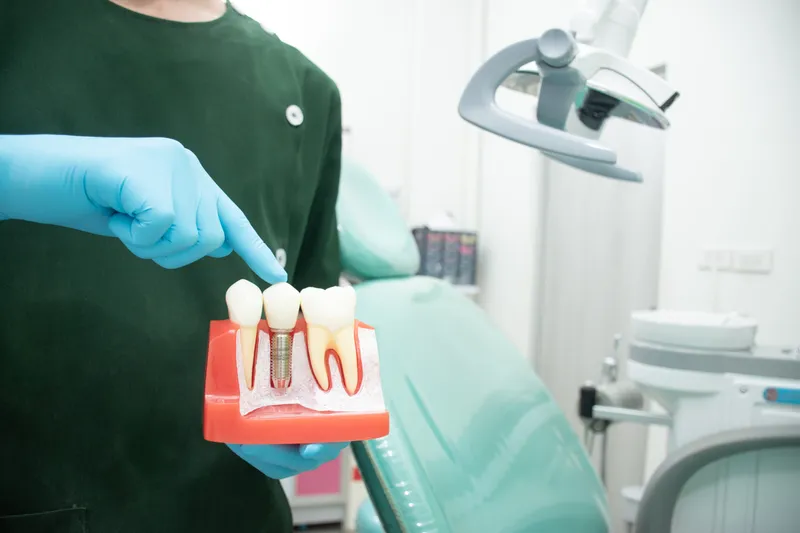
Dental implant surgery replaces the roots of missing or damaged teeth with small, screw-like metal posts, which then support artificial teeth that look and work much like natural ones. It can be an alternative to bridgework or dentures that don’t fit well, and an option when there aren’t enough natural tooth roots to support a bridge or denture.
Why preparation matters
Preparing well helps you make informed decisions, feel less anxious, support a good recovery and plan for the cost. Cost matters: in the ABS Patient Experiences survey for 2024–25, released in November 2025, 16.1% of people aged 15 and over said cost was a reason they delayed or didn’t use a dental professional when they needed one.
- Informed decisions: understanding the benefits and common risks helps you set realistic expectations.
- Less anxiety: knowing what will happen, step by step, can ease a lot of fear and worry.
- A smoother recovery: good preparation supports a smooth recovery and a favourable result.
- Cost planning: knowing what’s involved helps you plan the financial side.
Understanding the process is the first step towards a calmer, more confident experience.
What happens at your implant consultation?
Your consultation is where your implant plan takes shape. You’ll talk about your oral health, your needs and concerns, and what you’re hoping for, and your dentist examines your mouth to see whether dental implants suit you.
- A personalised assessment: a thorough examination, which may include X-rays and other diagnostic tests, helps your dentist build a treatment plan around you. At Magical Smiles Bacchus Marsh, planning can also use 3D digital imaging.
- Understanding the process: it’s your chance to understand every stage, from preparing beforehand to recovering afterwards.
- Talking about risks: every surgical procedure carries risks, and your dentist will talk you through the possible complications so you can make an informed decision.
- Planning the cost: it’s also the time to discuss the cost of treatment and what your health fund may cover. Magical Smiles Bacchus Marsh accepts most health funds, and you can read about our payment options before your visit. As at September 2026, a single tooth implant with its crown starts from $5,000 at our clinic and multiple implants start from $5,000 each. These are starting points, not quotes: your assessment sets your fee. The repayment estimator on our payment options page covers plans totalling up to $12,000, Humm’s fees included, and for a bigger plan we work it out with you in person.
Questions to ask at your consultation
- What are my tooth replacement options?
- How many appointments will I need?
- What kind of sedation will be used?
- How long is the implant expected to take to heal?
- Are there any foods I should avoid?
Jot your questions down before you arrive so nothing slips your mind on the day.
How should you care for your teeth before surgery?
In the days before surgery, focus on a clean mouth, good nutrition and your pre-surgery appointments. These simple habits support a smoother procedure and healing.
Keep your mouth clean
- Brush regularly to keep your mouth healthy.
- Floss to remove plaque and food particles from between your teeth.
- Use an antiseptic mouthwash to freshen your breath and reduce bacteria.
Eat and drink well
- Foods rich in vitamin C can support healing after surgery.
- Protein helps tissue repair in the early stage of healing.
- Stay well hydrated, especially as surgery day gets closer.
Attend your pre-surgery appointments
- Pre-surgery assessment: a final review of your personalised treatment plan and any last-minute preparation.
- Medication review: tell your dentist about every medication you take, so they can check how it might interact with the procedure.
- Final consultation: your chance to ask any remaining questions and confirm the details of the day.
These steps help the procedure run smoothly and set you up for a more comfortable recovery.
What are your sedation choices for implant surgery?
Understanding how you’ll be kept comfortable can ease a lot of anxiety. There are three broad approaches, and your dentist will help you choose the one that suits you and your procedure.
- Local anaesthetic: the most common approach in dental procedures. It numbs only the area where the implant will be placed.
- Conscious sedation: sometimes called “twilight sedation”, it lets you stay awake but relaxed during the procedure.
- General anaesthesia: usually reserved for more complex cases, it makes you completely unconscious during surgery.
What affects the choice
- How anxious you feel: if you’re particularly nervous, you might prefer a stronger form of sedation.
- How complex the procedure is: its complexity and length can influence the type of sedation used.
- Your medical history: your overall health and any chronic conditions can affect which option suits you.
- Cost: sedation options vary in cost, and your health fund may or may not cover them.
Talk through the options, and any common side effects, with your dentist. If dental visits make you nervous, our team can discuss sedation options with you, and our page on sedation dentistry has more detail.
What should you arrange before surgery day?
Sort out transport, time off and your recovery space ahead of time, so you can focus on resting afterwards.
Getting there and back
- Ask someone to drive you to and from our Gisborne Road clinic, especially if you’ll be having sedation.
- If you need to use public transport, plan your route and think about how sedation might affect your ability to travel safely.
Time off work
- Talk to your employer about the procedure and the expected recovery time so you can plan your absence.
- If you can, look at working from home during the first stage of healing.
Your recovery space
- Stock up on soft foods you enjoy, over-the-counter pain relief and anything else you’ll need while you heal.
- Set up a comfortable spot to rest, with water and your medication within easy reach.
A little planning now means less to think about on the day and in the days that follow.
How can you prepare your mind and body?
Physical preparation tends to get most of the attention, but feeling mentally ready matters too.
Calming your mind
- Deep breathing and meditation can help calm nerves and reduce anxiety.
- Picturing the day going smoothly can help you approach it with a more positive mindset.
Nourishing your body
- A balanced diet rich in essential nutrients supports healing after surgery.
- Drinking enough water supports your overall health and natural healing.
Looking after your body
- Light exercise can support your general wellbeing, but avoid strenuous activity close to surgery day.
- Get plenty of rest and sleep in the days before your surgery.
Preparing your mind and body builds a strong foundation for a less stressful experience.
Your dental implant surgery checklist
A checklist makes sure nothing important slips through the cracks. Work through this one as you prepare.
Before the procedure
- Book and attend your initial consultation.
- Stock up on soft-bristled toothbrushes, floss and antiseptic mouthwash.
- Plan a menu of soft foods and drinks for after surgery.
On the day
- Confirm your lift to and from the clinic.
- Pack what you need, such as identification and your health fund details.
- Check what time you need to arrive.
After the procedure
- Stick to your planned menu of soft, cool foods.
- Book and attend your follow-up appointments.
- Keep an eye on your healing and any changes in your mouth.
For what comes next, our guide to dental implant recovery walks you through healing week by week.
What mistakes should you avoid?
Even with good preparation, a few common slip-ups can slow healing. Here’s what to watch for and how to steer clear.
- Neglecting oral hygiene: letting your routine slip can lead to complications while you heal. Keep to the care routine your dentist recommends, brush gently with a soft toothbrush, and keep up your professional cleans.
- Skipping follow-up appointments: missing them can delay healing and may put the implant at risk, so make every follow-up a priority.
- Eating the wrong foods too soon: hard or sticky food soon after surgery can disrupt healing. Stick to the soft food diet your dentist recommends for the early healing period.
Keeping these in mind helps you stay on track for a successful procedure.
Ready to take the next step in Bacchus Marsh?
Preparing for dental implant surgery is about more than turning up on the day. From your first consultation to your care afterwards, each step plays a part, and being proactive and informed makes the whole experience smoother and less stressful.
If you’re considering implants, the Magical Smiles team at 83 Gisborne Road, Bacchus Marsh, puts your comfort and wellbeing first and will guide you through each stage. Call (03) 8001 7008 or book an appointment online to arrange an implant consultation. We’re open Monday to Saturday, 9 am to 5 pm.
Frequently asked questions
Start with a thorough consultation, keep your mouth clean with regular brushing, flossing and an antiseptic mouthwash, eat well and stay hydrated, arrange a lift home and time off work, set up a comfortable recovery space with soft food, and attend your pre-surgery and follow-up appointments.
Useful questions include: What are my tooth replacement options? How many appointments will I need? What kind of sedation will be used? How long is the implant expected to take to heal? Are there any foods I should avoid?
It depends on the approach you and your dentist choose. Local anaesthetic numbs only the area being treated. Conscious (“twilight”) sedation keeps you awake but relaxed, and general anaesthesia, usually reserved for more complex cases, makes you completely unconscious.
It’s best to ask someone to drive you to and from the clinic, especially if you’re having sedation, because sedation can affect your ability to travel safely.
Avoid neglecting your oral hygiene, skipping follow-up appointments and eating hard or sticky foods too soon. Follow your dentist’s care routine and the soft food diet they recommend for the early healing period.
About the author

Our locations
Magical Smiles has locations in Caroline Springs, Bacchus Marsh and Point Cook.