
Fotona LightWalker lasers in Bacchus Marsh: one machine, a dozen different jobs.
You may have heard one of our team mention "the laser" before — for a gum treatment, a whitening appointment, a snoring consultation, or something else entirely. At Magical Smiles Bacchus Marsh it's usually the same machine: the Fotona LightWalker. Here's a plain-English look at what it is, how it works, and where you might already be meeting it without realising.
You've probably heard "laser" mentioned more than once.
Most patients meet the Fotona laser sideways — as a passing mention during a completely different conversation, rather than as a treatment they set out to book. A few of these might sound familiar.
For the wider picture, our technology overview shows where the laser sits alongside the clinic's other equipment. If you're here about a gum lift, that page covers the treatment itself.
- "We'd use the laser for that" — said during a chat about your gums or a sensitive tooth. That sensitive-tooth conversation has its own page: Laser Tooth Desensitisation.
- Reading about laser whitening or a gum lift and wondering what the laser part actually involves.
- Noticing the equipment in the room and quietly wondering what it's for.
- Being told a treatment "uses the LightWalker" without quite knowing what that means.
- Wanting to understand the technology before committing to any one treatment built around it.
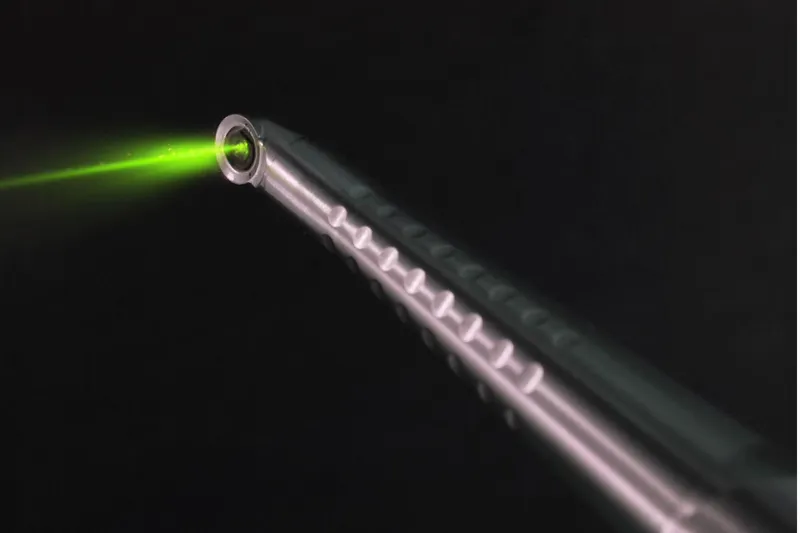
What the Fotona LightWalker actually is.
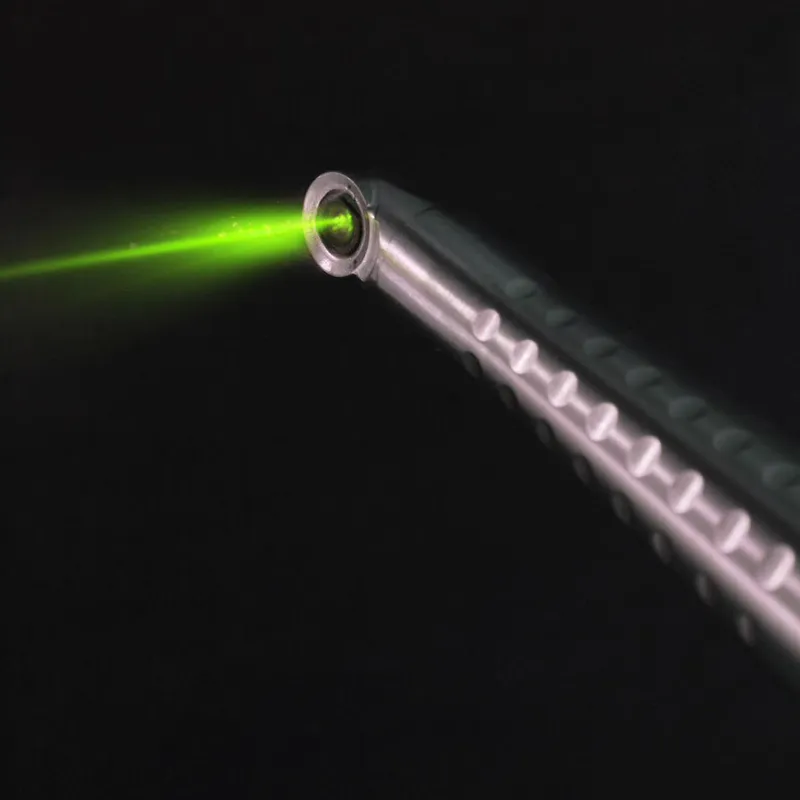
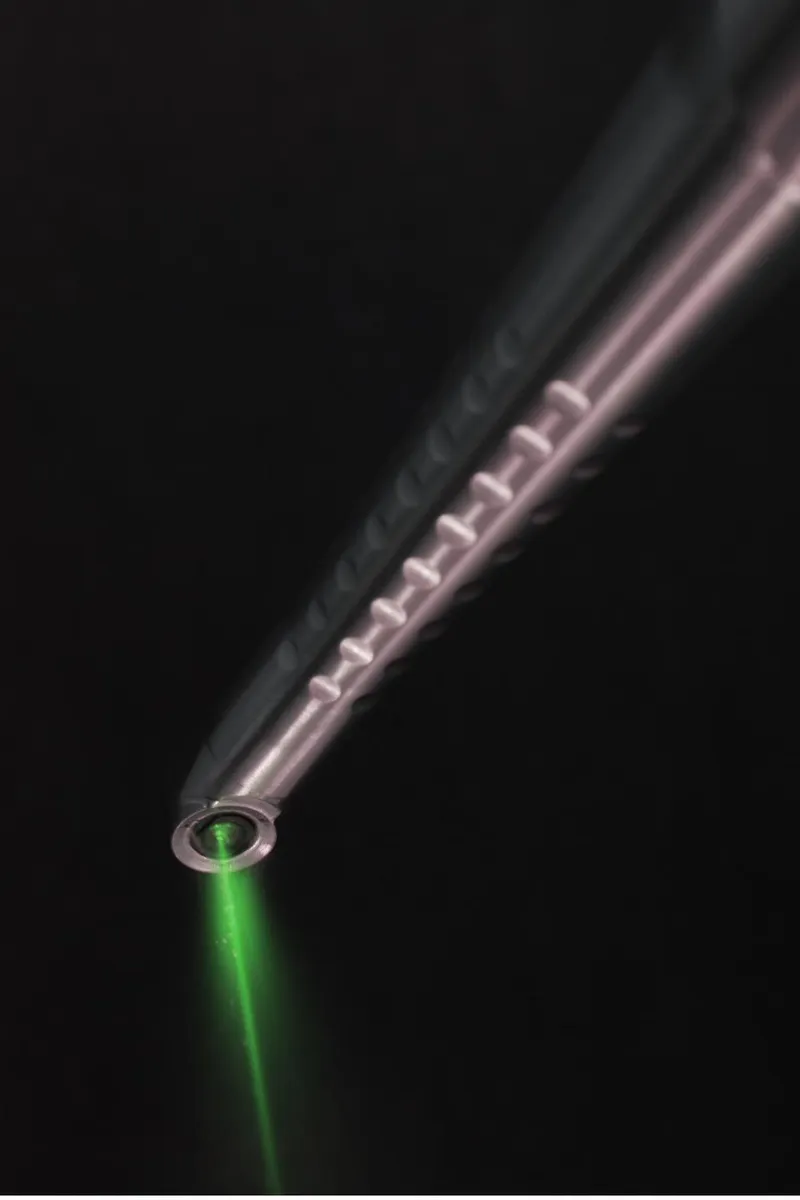
The Fotona LightWalker is a dental laser system built around two different laser wavelengths in one machine, rather than a single fixed setting. Think of it less like one tool and more like two different kinds of light, each suited to a different kind of job.
One wavelength (Er:YAG, 2940 nm on Fotona's specification) is suited to precise, controlled work on tissue and tooth surfaces — useful for things like gently reshaping a gumline or treating a small cavity. The other (Nd:YAG, 1064 nm) reaches a little deeper into soft tissue and is suited to reducing bacteria — useful for things like gum disease therapy or settling sensitive teeth. Having both in our Bacchus Marsh clinic means the right kind of light can be matched to the job, rather than one setting being stretched to cover everything. Gum disease and tooth decay, two of the problems it's used for, are common: in the latest national adult oral health survey (2017–18), 29% of Australian adults had gingivitis, 30.1% had periodontitis, and 32% of adults with their own teeth had at least one tooth with untreated decay, according to the Australian Institute of Health and Welfare (report updated 6 August 2026).
Scans and X-rays are a different kind of technology, covered on our digital scanning and 3D imaging page. If you're weighing up whitening options, TouchWhite vs Zoom whitening compares the two.
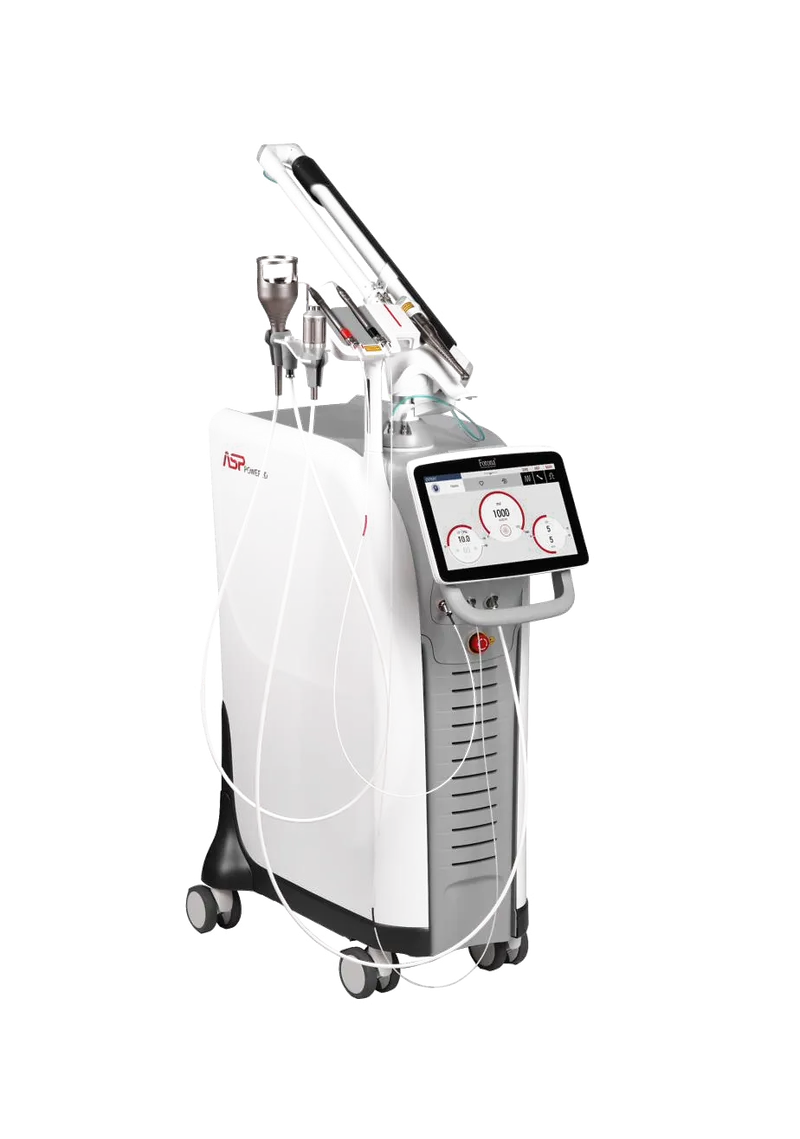
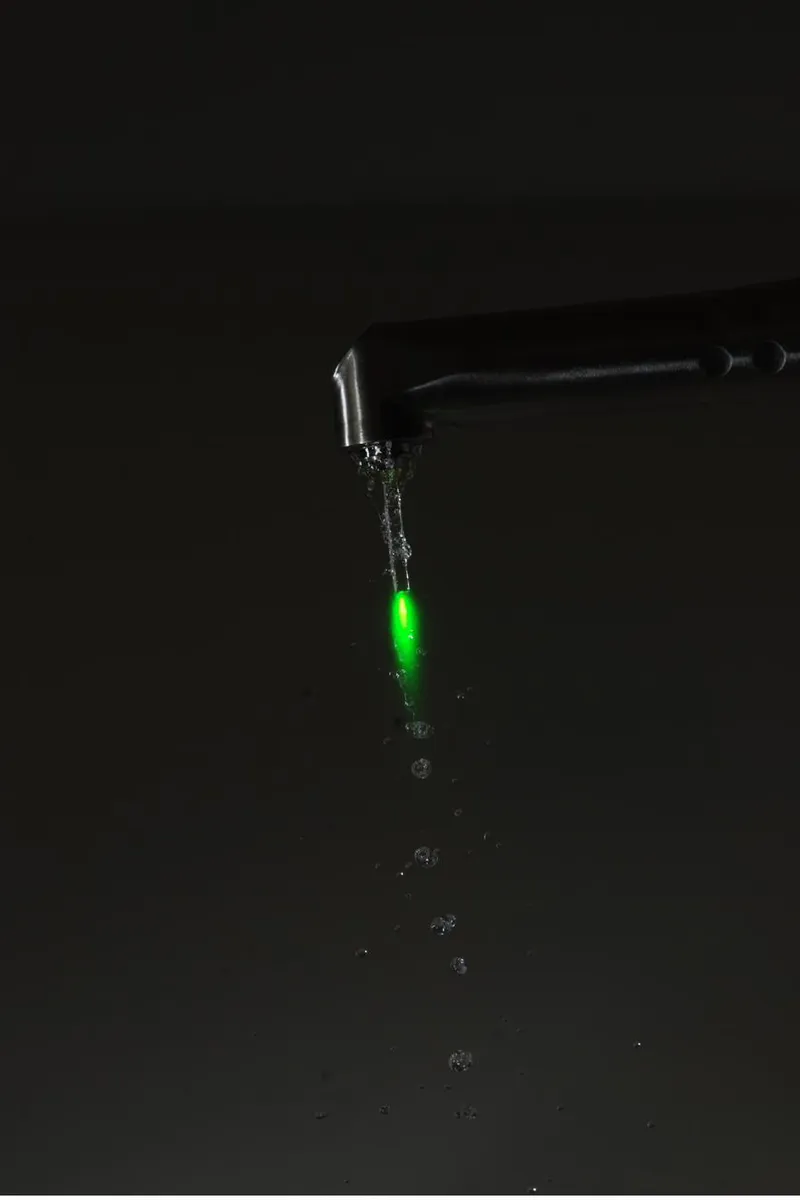
What a laser tends to bring to the appointment.
- Precision on a small scale. Because the light can be finely controlled, it suits work that calls for small, deliberate adjustments rather than a broad approach.
- Often a calmer sensory experience. For many laser-based treatments, there's less noise and vibration than a traditional handpiece, which some patients find easier to sit through.
- One machine, several roles. Rather than separate equipment for every treatment, the same system is reconfigured — by our clinicians, treatment by treatment — for the job in front of them.
Some treatments carried out with this laser are minor surgical procedures, others aren't. Any surgical or invasive procedure carries risks — the specific page for each treatment explains what applies, and we'll always confirm suitability with you first.
Does this page actually help you?
This page is about the machine itself, not any one treatment. Here's an honest guide to when it's useful reading, and when you're better off jumping straight to a specific treatment page.
Worth a read if...
- You've been told a treatment "uses the laser" and want to understand what that means first.
- You like knowing how something works before deciding whether to book it.
- You're comparing a laser-based option against a more traditional one.
- You're simply curious about the equipment you've seen in the room.
Head straight to a treatment page if...
- You already know which treatment you're interested in — its own page covers process, healing and suitability in full.
- You're after pricing or appointment specifics for one particular treatment.
- You'd simply rather book a consultation and ask us directly.
Where this laser shows up in our treatments.
Each of these has its own dedicated page with full detail on process, healing and suitability — this page is simply the technology behind all of them.
See every laser treatment side-by-side on our Laser Dentistry page.
What using the laser generally looks like.
The exact process depends entirely on which treatment you're having — but most laser-based appointments follow a similar rhythm.
Assessment first
We assess whether a laser-based approach is actually suitable for what you're dealing with, rather than assuming it's the right fit for everyone.
Choosing the right wavelength
Depending on the treatment, the laser is set for either precise tissue work or deeper soft-tissue and bacterial-reduction work.
The in-chair appointment
Anaesthetic is used where the treatment calls for it, and the laser step itself is usually a smaller part of a longer, unhurried appointment.
Follow-up, if needed
Some treatments need a healing check or a review appointment — we'll tell you exactly what to expect for your specific treatment.
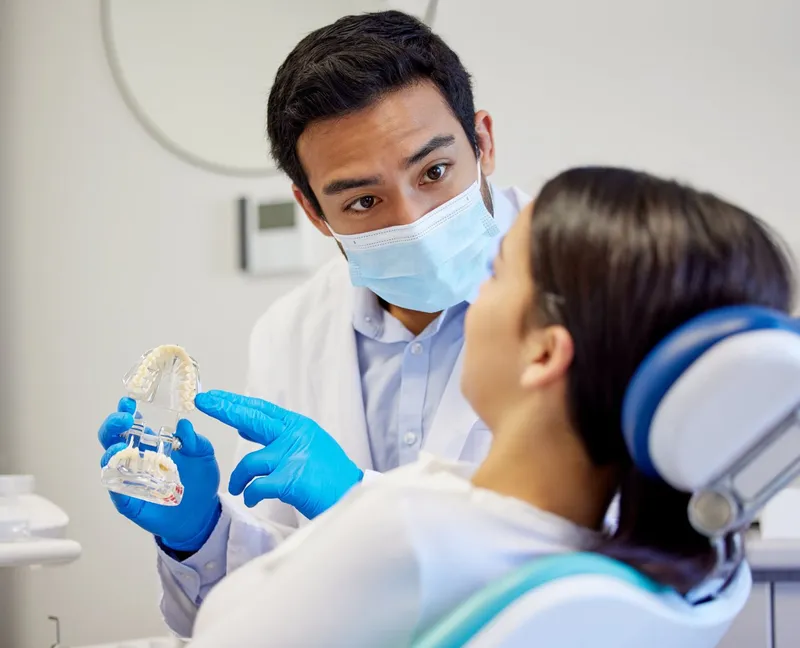
Technology, explained before it's used.
One laser, many roles
Instead of a room full of single-purpose machines, one dual-wavelength system covers a wide range of treatments, operated by our Bacchus Marsh team, who have completed training in dental laser use. Our principal dentist, Dr Rachna Yadav, holds laser dentistry certificates and has completed a dental laser safety officer course.
Matched to the job
Two different wavelengths mean the right kind of light can be chosen for precise tissue work or deeper soft-tissue work, rather than one setting doing everything.
Never a surprise on the day
We'll always explain whether your treatment uses the laser, what to expect, and why — before you're in the chair, not during.
The things people usually ask.
Not sure if a laser treatment is right for you?
A short consultation is the fastest way to find out whether a laser-based approach suits what you're dealing with. If you'd like to ask a few things first, give us a call.
Book a consultation (03) 8001 7008Bacchus Marsh Clinic
Information on this page is general in nature. Suitability, comfort and outcomes vary between individuals and treatments — some laser treatments are minor surgical procedures and carry the risks associated with any surgical or invasive procedure. We'll confirm what applies to you before you decide anything.





 Major health funds
Let's find the right fit for you.
A short consultation is usually enough to tell whether a laser-based treatment is worth exploring for your situation — and to give you a clear, honest picture before you decide anything.