Enough bone to build on
When a tooth has been missing for a while, the bone underneath can thin. Our 3D imaging shows how much is there, and whether bone grafting should come first. There's more on grafting further down this page.

It might be a molar that was taken out and never replaced, or a front tooth you cover when you laugh. A single tooth implant replaces the whole tooth, root and crown, and leaves the healthy teeth beside it alone. We'll check whether it suits your tooth and your jaw before anything is decided.
A single gap rarely feels urgent. It shows up in small habits you stop noticing, until you write them down.

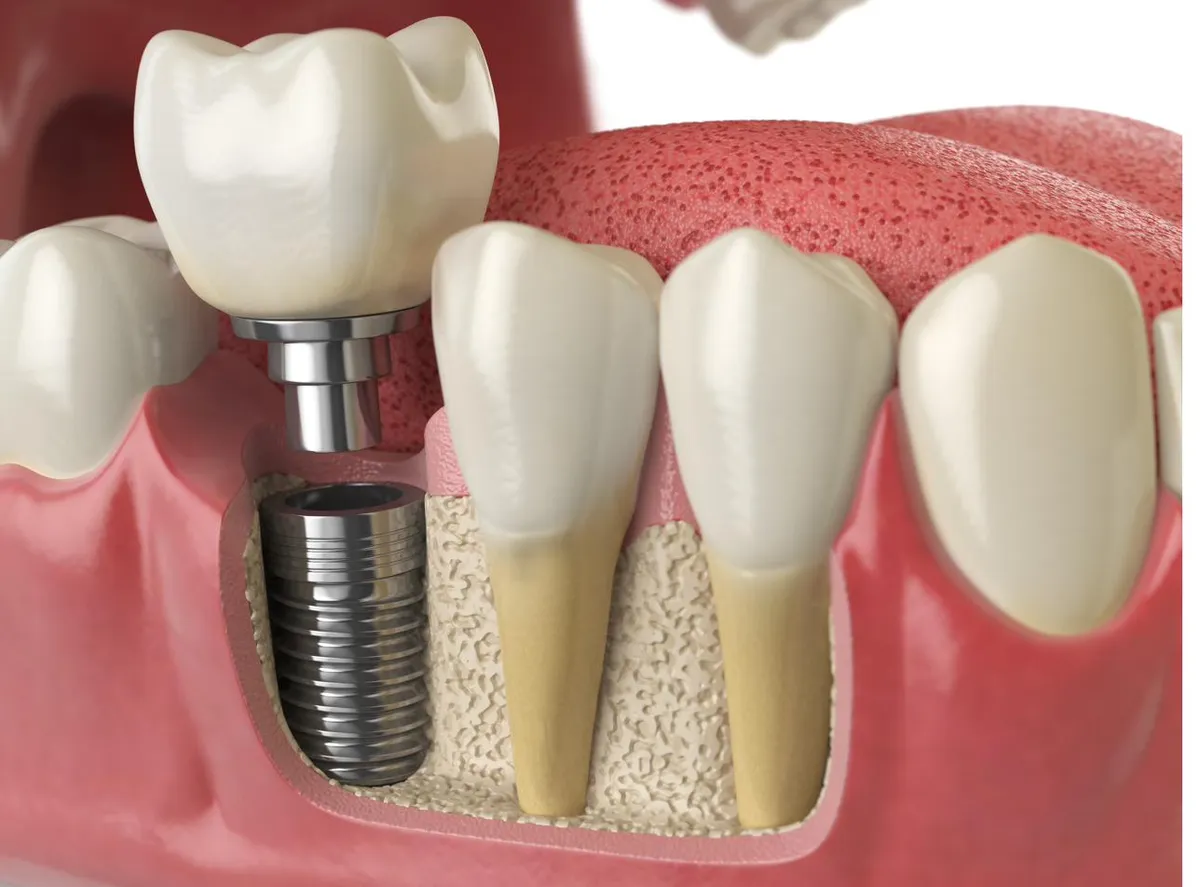
A single tooth implant replaces the root as well as the part you can see. A small titanium post is placed in the jawbone where the root used to be. Over some months the bone heals around it, a process called osseointegration, and how long that takes varies from person to person. A custom crown then goes on top, shaped and shaded to sit naturally with your other teeth. To compare this with the other options, see our overview of dental implants in Bacchus Marsh.
Because the implant supports itself, the teeth on either side don't need to be filed down or used as anchors, as they would for a traditional bridge. That's one reason people often consider a single implant when the neighbouring teeth are healthy.
Two questions decide most of the detail in a single implant plan: how much bone is at the site, and what the crown will be made from.
When a tooth has been missing for a while, the bone underneath can thin. Our 3D imaging shows how much is there, and whether bone grafting should come first. There's more on grafting further down this page.
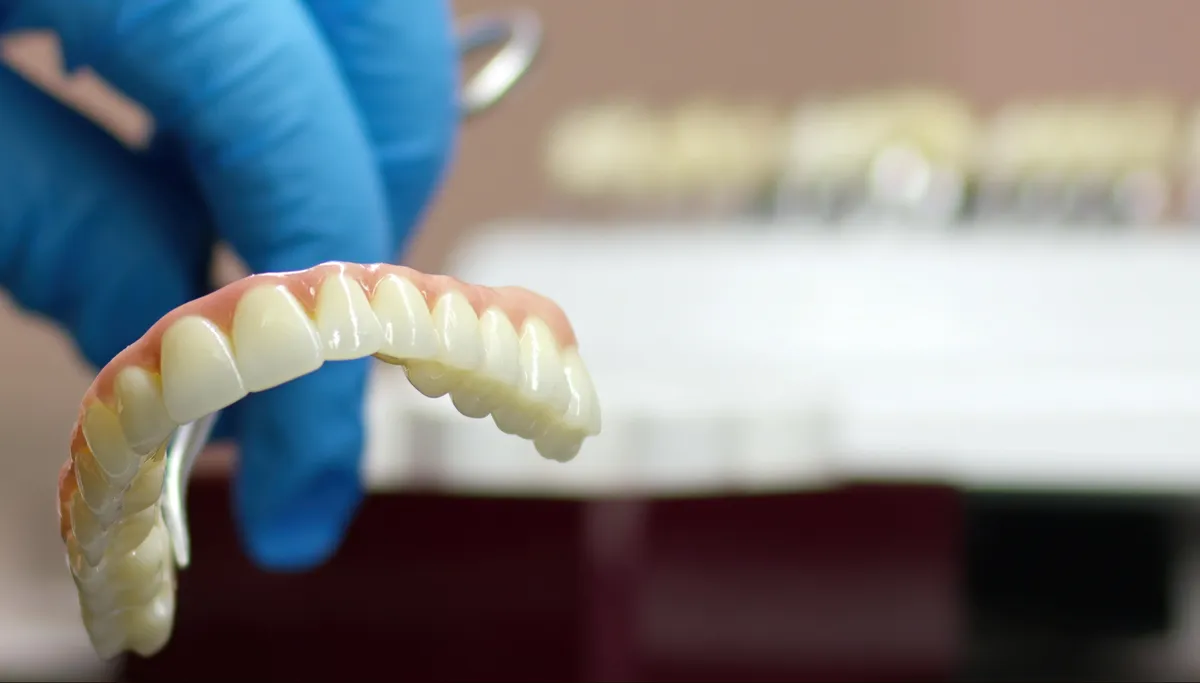
The crown is made for the tooth it replaces, in a material such as porcelain or zirconia, and shaded to match your other teeth. We can take digital impressions with a 3D scanner, which some patients find more comfortable than traditional moulds.
Suitability, healing time and results vary between individuals. We'll go through your tooth and jaw with you at your consultation, before anything is decided.
A single implant comes together over several appointments, spaced out so the bone has time to heal. Every one of them is at our Bacchus Marsh clinic.
Consultation & 3D imaging
We examine the site, take 3D images to measure the bone, and talk through whether a single implant is the right starting point for you.
Any preparation needed
If bone grafting or a sinus lift is recommended, it's done first and given time to heal before the implant goes in.
Placing the implant
The implant post is placed under local anaesthetic, then left for some months to bond with the bone before the crown is made.
Fitting the crown
Once the implant has integrated, your crown is scanned, made and fitted, then checked for fit, bite and shade.
Review & ongoing care
Regular reviews make sure the implant is settled and comfortable, and help us spot any early signs of peri-implantitis.
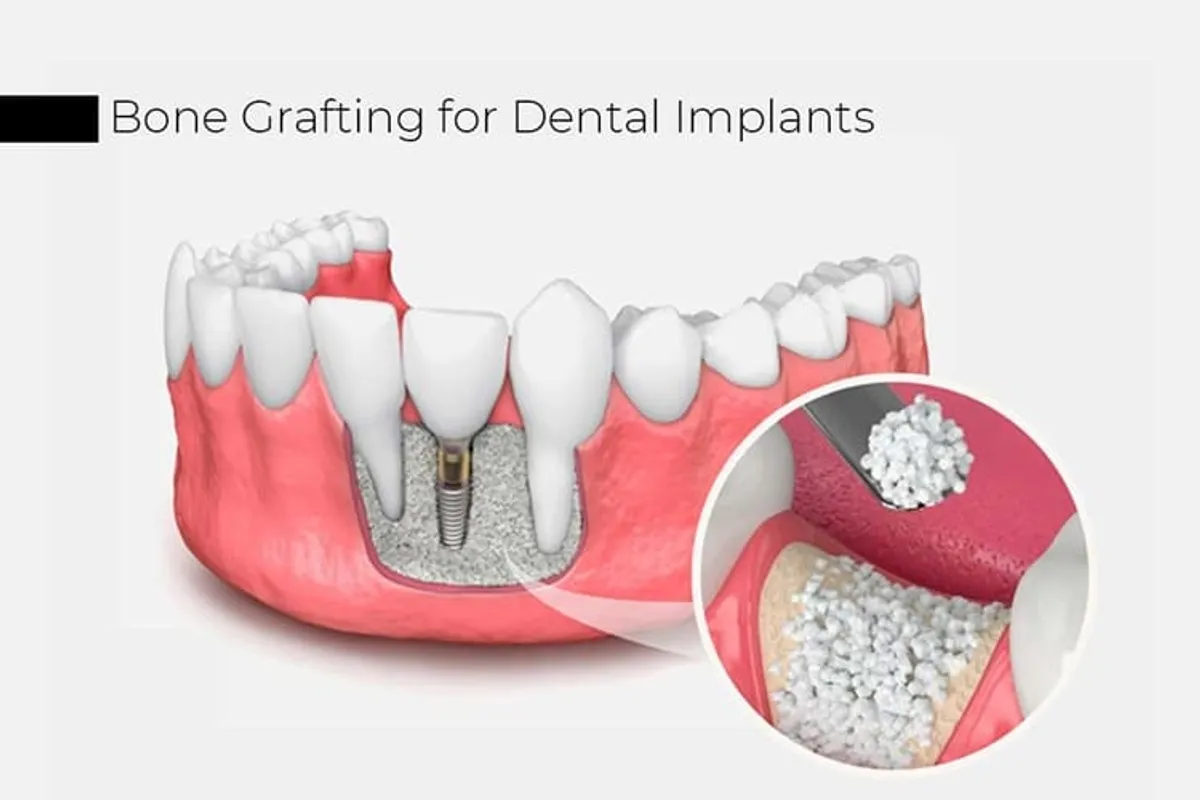
Once a tooth is gone, the bone that held its root has less work to do, and it can slowly shrink. That isn't a problem on its own, but it can leave too little bone at the site to hold an implant firmly.
Bone grafting adds material at the site to rebuild that volume. It's usually given time to heal before the implant is placed, and sometimes both happen at the same appointment. Whether you need it at all depends on what your 3D imaging shows. Our article on the role of bone grafting in dental implants goes into more detail.
Any surgical or invasive procedure carries risks. Before proceeding, please seek a second opinion from an appropriately qualified health practitioner.
If the missing tooth is at the back of the upper jaw, there's one more thing to check. The maxillary sinus, an air space above the roots of the upper back teeth, can sit close to the bone, especially when a tooth has been gone for years. That can leave too little height for an implant.
A sinus lift gently raises the sinus lining and places graft material underneath to add height. It's a specific kind of bone grafting used only in this part of the jaw, and we only recommend it when your imaging shows it's needed. The sinus lift page explains it step by step.
Any surgical or invasive procedure carries risks. Before proceeding, please seek a second opinion from an appropriately qualified health practitioner.
An implant can't get decay, but the gum and bone around it can still become inflamed. This is called peri-implantitis, and it's similar to gum disease around a natural tooth. It's usually picked up early at routine reviews, before you'd notice anything day to day. Gum disease itself is common: in the AIHW's report on the 2017–18 National Study of Adult Oral Health, 30.1% of adults aged 15 and over had periodontitis, an advanced stage of gum disease, and 33% of those aged 35–54 had moderate or severe periodontitis.
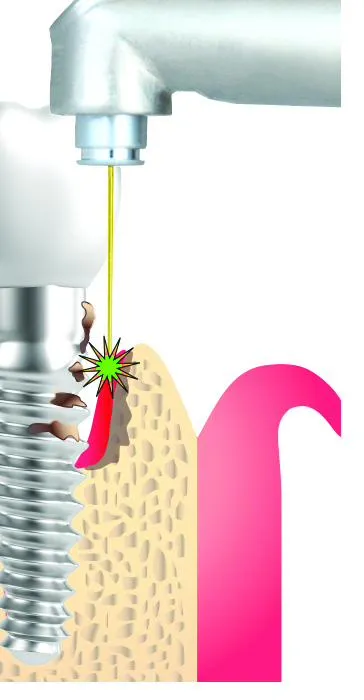
If we find it, treatment can include laser-assisted cleaning of the implant surface, along with a check of your home care and bite. Peri-implantitis care is available at our Bacchus Marsh clinic — read the peri-implantitis care page →
For many people the hold-up was never wanting the gap fixed. It was not knowing the cost. That's a common story: in the ABS Patient Experiences survey for 2024–25, released in November 2025, 16.1% of people aged 15 and over said cost was a reason they delayed or skipped seeing a dental professional when they needed one, and the figure was 22.2% for people aged 35–44. As at September 2026, a single tooth implant at our clinic starts from $5,000, including the implant and the crown, and payment plans can spread that into smaller, regular amounts.
Know the numbers before you say yes.
Curious what a single implant might cost per week? Open the repayment estimator →
Estimate only. It is not a quote or credit approval. Your actual cost is confirmed at consultation and depends on whether bone grafting or a sinus lift is needed.
We accept






About the estimator: it gives an indicative figure based on typical per-implant pricing. It is not a quote. Each implant is priced once we've assessed the site with 3D imaging, and bone grafting or a sinus lift is costed separately if needed. You'll see the exact cost in writing before you agree to treatment. The estimator quotes plans totalling up to $12,000, Humm's fees included, so a plan for one implant sits well inside its range. Repayment figures are illustrative and use Humm/NDP's own plan-fee formula for the term selected, so Humm's fees are already included. Finance depends on Humm's own eligibility criteria and approval, which may not be granted.
3D imaging shows the bone at your site before we recommend anything, including whether grafting is needed.
A single implant supports itself, so the healthy teeth either side of the gap aren't filed down or used as anchors.
Each appointment, from consultation to reviews, is at 83 Gisborne Road, Bacchus Marsh, with on-site parking.
A short consultation with 3D imaging is usually enough to tell. If you'd like to ask something first, give the clinic a call and we'll talk it through.
Book a consultation (03) 8001 7008Information on this page is general in nature. Treatment outcomes, timelines and suitability vary between individuals. Your consultation is where your dentist checks the site and sets out what's realistic for you, before you decide anything.
Major health funds
A consultation with 3D imaging at our Bacchus Marsh clinic is usually enough to tell whether a single implant suits you, with a written cost before you decide anything.