Bacchus Marsh
Bacchus Marsh · Maddingley · Darley
Phone(03) 8001 7008
Snoring consultsAvailable now
Laser snoringNightLase · Fotona LightWalker


Snoring happens when air can't pass freely through the airway and relaxed tissue at the back of the throat vibrates. You've tried nose strips, sleeping on your side, the 2 a.m. nudges, maybe even the spare room. If snoring is changing how you both sleep and feel the next day, our Bacchus Marsh dentists can help you work out what's behind it and what may help.
If it doesn't, no need to read on. We'd rather you land on the right page than the loudest one.
This probably isn't for you if you've already had a sleep study, been diagnosed with severe obstructive sleep apnoea and started CPAP therapy.
Your sleep physician is looking after that, and we're happy to help with anything dental that supports your CPAP plan.
The two are easy to confuse because they can look the same from the outside, and both are common. Victoria's Better Health Channel estimates that around 20% of the population snores at night (page reviewed August 2014) and that about 5% of Australians have sleep apnoea, with around 1 in 4 men over the age of 30 affected (page reviewed October 2021). Here are three questions that explain the difference, and why it matters before any treatment.
Simple snoring is the sound of air vibrating against relaxed tissue at the back of the throat while you sleep. It is disruptive for whoever shares the room and can affect both partners' rest, but on its own it isn't a medical emergency.
Obstructive sleep apnoea is a medical condition in which the airway repeatedly narrows or closes during sleep. Breathing pauses, the body briefly wakes to reopen the airway, and you can wake exhausted. Left unmanaged it has been linked with high blood pressure and heart disease, so it needs assessment by a sleep physician.
Most people can't tell whether they have simple snoring or sleep apnoea until they are assessed. Our dentists don't diagnose sleep apnoea, but they can help you decide whether a sleep study is worth discussing with your doctor, and explain your options afterwards.
Where the noise comes from changes what helps. Part of your first consultation is working out which area is most likely involved for you.
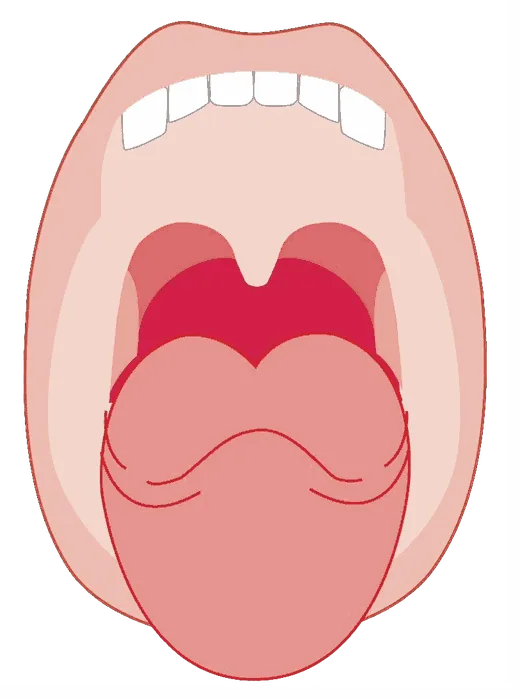
The most common source: the soft tissue hanging at the back of the roof of the mouth.
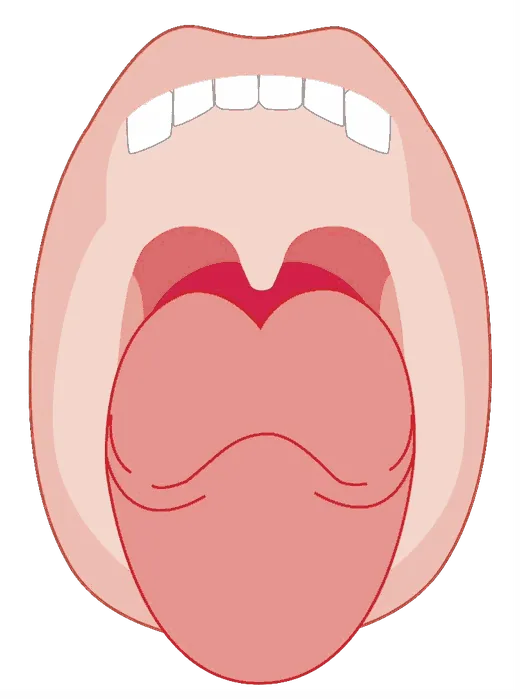
The arches on either side of the throat. Even mild relaxation here can cause a noticeable vibration.
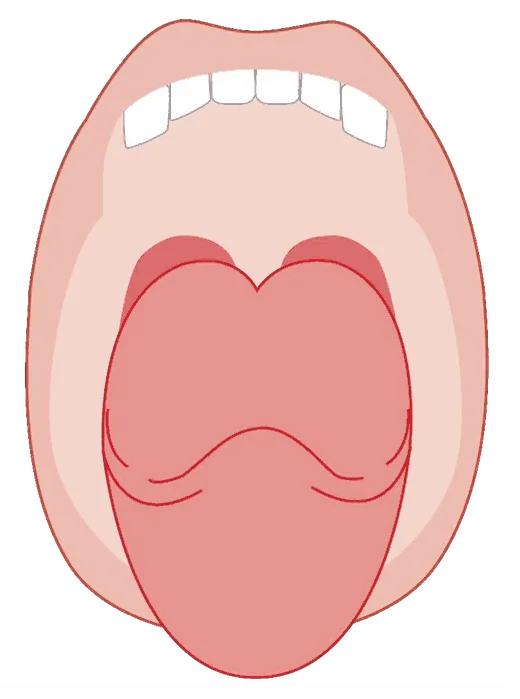
When the tongue rests further back, especially when you sleep on your back, it can narrow the airway.
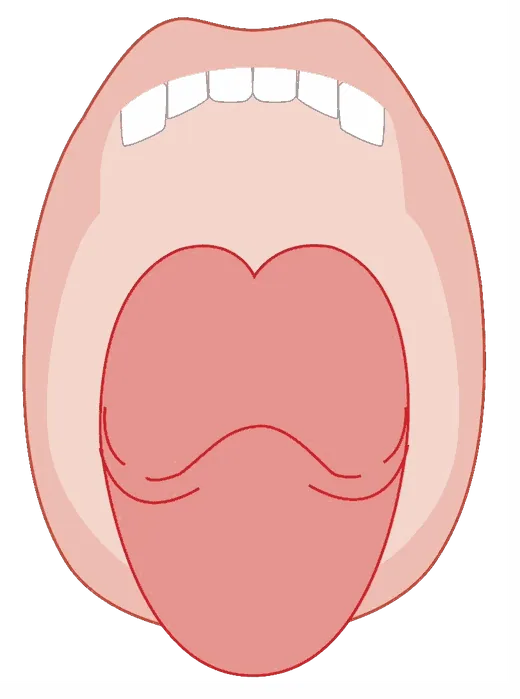
The thicker tissue at the back of the tongue often plays a part in heavier snoring.
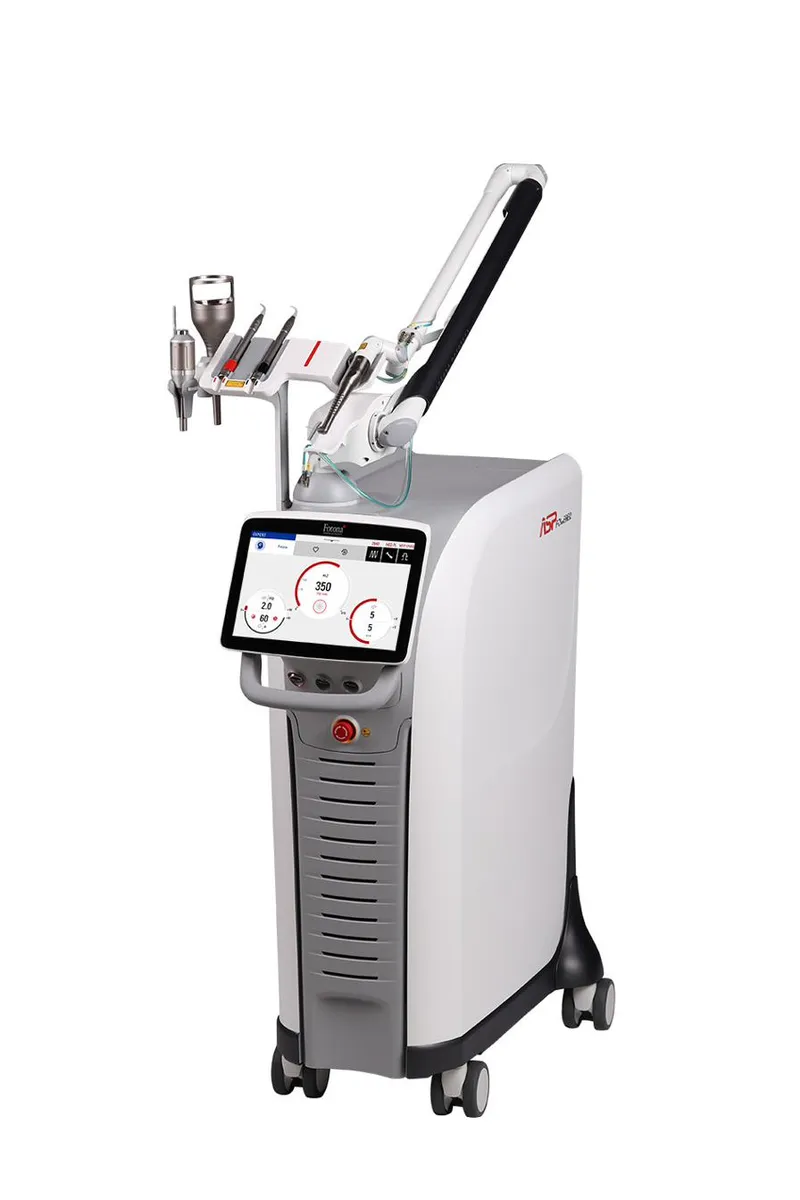
NightLase is a gentle laser treatment we offer at our Bacchus Marsh clinic with the Fotona LightWalker. It works on the same small areas of the throat shown above.
The idea is simple: gently firm the tissue at the back of the throat so it vibrates less.
Controlled pulses of Er:YAG laser light are passed over the soft palate and nearby tissue. The gentle heat is designed to encourage the tissue's own collagen to tighten over the following weeks, with no cutting, no needles and no anaesthetic. Most people describe a feeling of warmth.
For many people with simple snoring, NightLase reduces how loud and how often they snore. Results differ from person to person, and we'll be upfront about that before you decide.
Each NightLase session passes gently over these three areas. No injections, no cuts and nothing removed. The tissue is encouraged to firm up naturally over the following weeks.
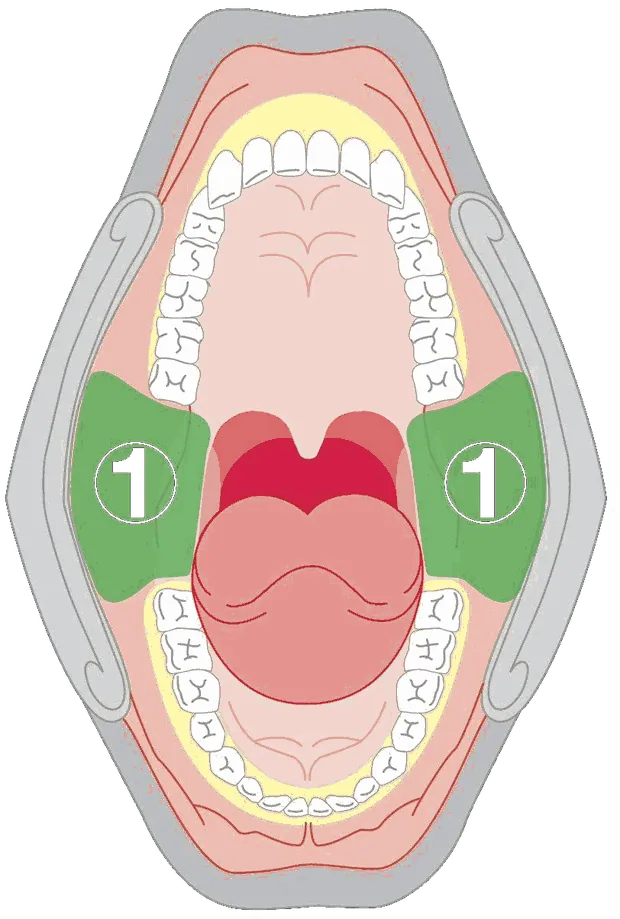
The arches at the sides of the throat come first. Gentle laser passes encourage these tissues to firm.
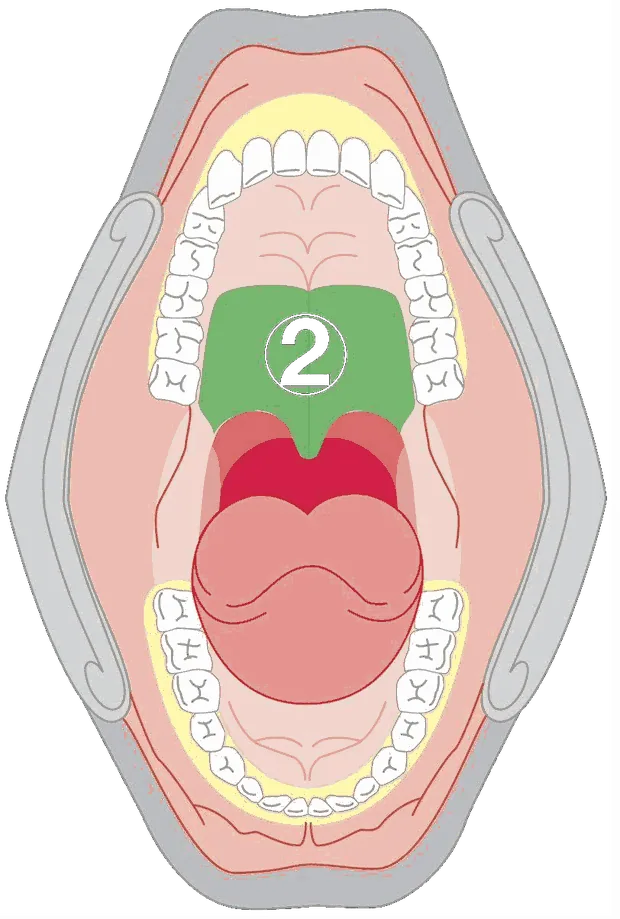
The most common source of snoring vibration. The laser moves across it in a steady pattern.
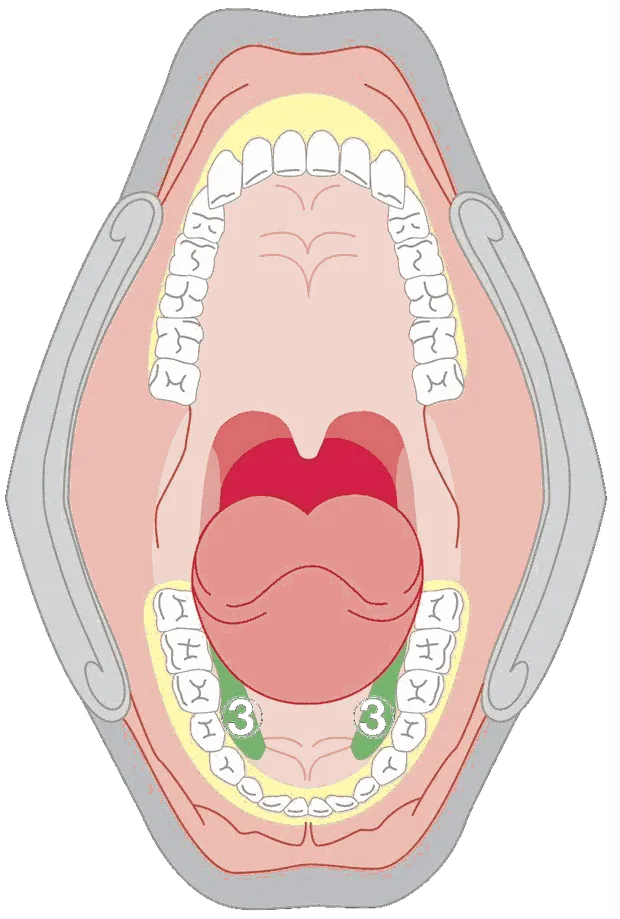
Often involved in heavier snoring. This area is treated last when it's part of your picture.
Many people put this off because they don't know what the visit involves. Here it is, step by step.
We ask about your sleep, your snoring pattern, morning tiredness, and what you've already tried. Bring your partner if you can, because they often notice things you don't.
One of our dentists looks at your soft palate, tonsil area, tongue position, jaw and bite. No scans, no clean and no needles at this first visit.
We may suggest you discuss a sleep study with your doctor, explain whether NightLase suits your anatomy, or talk about a custom oral appliance that holds the lower jaw forward to keep the airway more open. Sometimes the answer is to wait and watch, and that's fine too.
You leave knowing what's going on and what your options are, in writing if you'd like. Nothing is booked unless you want it to be.
Six months from now, if nothing changes, where will the two of you be? The same elbow at 2 a.m. The same tired mornings. The same quiet decision to take the spare room, just for tonight. Snoring rarely sorts itself out. The conversation about it doesn't have to be a big one.
Snoring and airway consultations, oral appliance assessments and NightLase laser snoring care are available at 83 Gisborne Road, Monday to Saturday. We're part of the Magical Smiles group — our sister clinics are Magical Smiles Caroline Springs and Magical Smiles Point Cook.
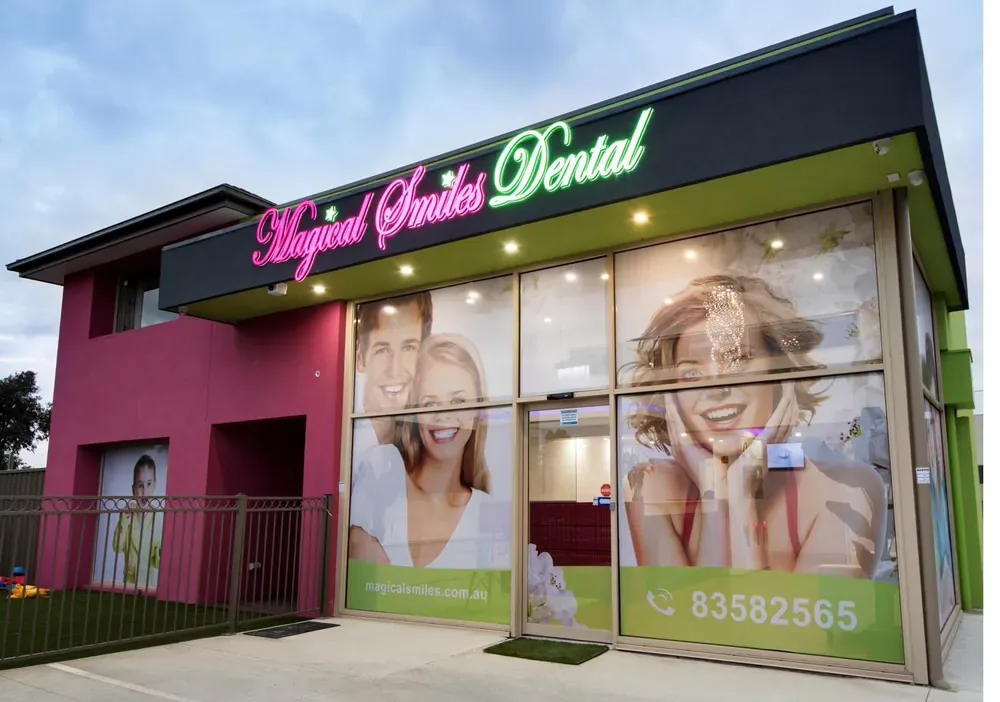
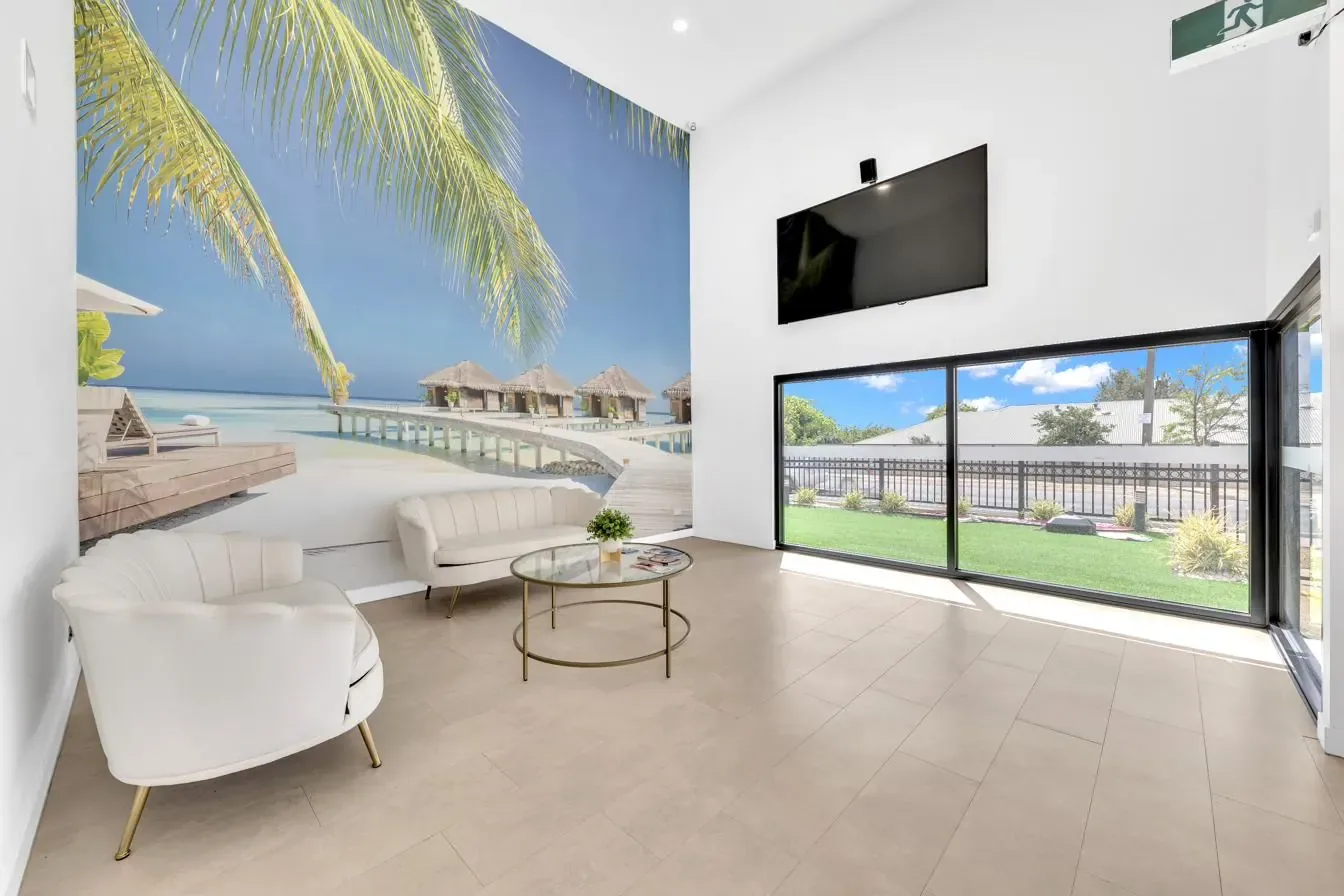
"Warm light and clear signage, easy to find when you're ready."
Bacchus Marsh · Maddingley · Darley
No rush and no countdowns. Book a first consultation online when it suits you, or call our Bacchus Marsh clinic and we'll help you work out whether this is the right next step for you both.
This page is general information about snoring, airway concerns and the NightLase laser treatment offered at Magical Smiles. It isn't medical advice and it isn't a diagnosis. Suspected obstructive sleep apnoea should always be assessed by a sleep physician, so please talk to your doctor if you're concerned.
Outcomes from any treatment, including NightLase, vary from person to person. Suitability is assessed individually, and we'll discuss what is likely — and what isn't — at your first consultation.