
Composite bonding in Bacchus Marsh for chips, gaps and worn edges.
Composite bonding uses tooth-coloured resin, shaped directly on your tooth, to repair a chip, soften a small gap or even out a worn edge, usually in one visit. It keeps more of your natural tooth than porcelain and can be adjusted later. This page covers bonding; for the wider picture, see our veneers overview.
What is composite bonding?
Composite bonding is a cosmetic treatment where your dentist adds tooth-coloured resin to a tooth, sculpts it, hardens it with a curing light and polishes it, usually in one visit. It is used for small chips, minor gaps, worn edges and uneven tooth shapes.
Because resin is added to the tooth rather than the tooth being reshaped first, bonding usually removes little or no natural tooth. That also makes it a modest step that can be polished, repaired or built on later if your plans change.
Bonding uses the same material as composite veneers; the difference is mostly how much of the tooth is covered. Our veneers overview explains where each option sits, and your dentist confirms which fits your teeth.
Bonding or veneers: which is worth asking about?
Bonding tends to suit smaller concerns: one chipped corner, a gap you'd like softened, an edge that has worn unevenly. It is the one-visit, more adjustable option, and usually the smaller commitment in cost. As a guide, our estimator's September 2026 starting figures are $250 per tooth for bonding, $695 for a composite veneer and $1,700 for a porcelain veneer.
When several teeth need to match, when staining runs deeper, or when you want a surface that resists staining for longer, porcelain veneers usually come into the conversation. Neither is better in every case, and the honest answer is sometimes a mix of both.
Results vary with the teeth involved and your bite. We examine your teeth and explain what's realistic before you decide anything.
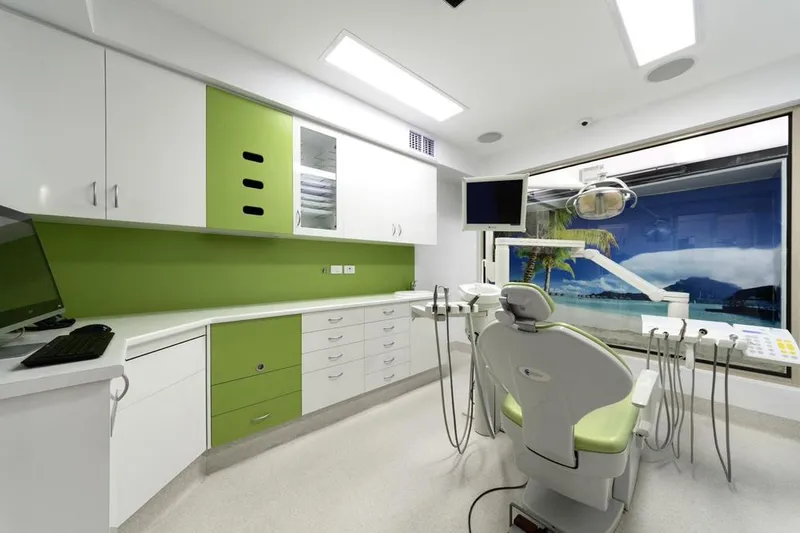
An unhurried visit, with time for your questions.
What happens at a bonding appointment?
Bonding is usually one unhurried visit at our Gisborne Road clinic after your consultation. Most of the appointment is careful shaping and polishing.
The consultation comes first
We look at the tooth or teeth that bother you and check that bonding is the right tool. Sometimes whitening or a simple polish answers the same concern. You'll see the cost in writing before deciding.
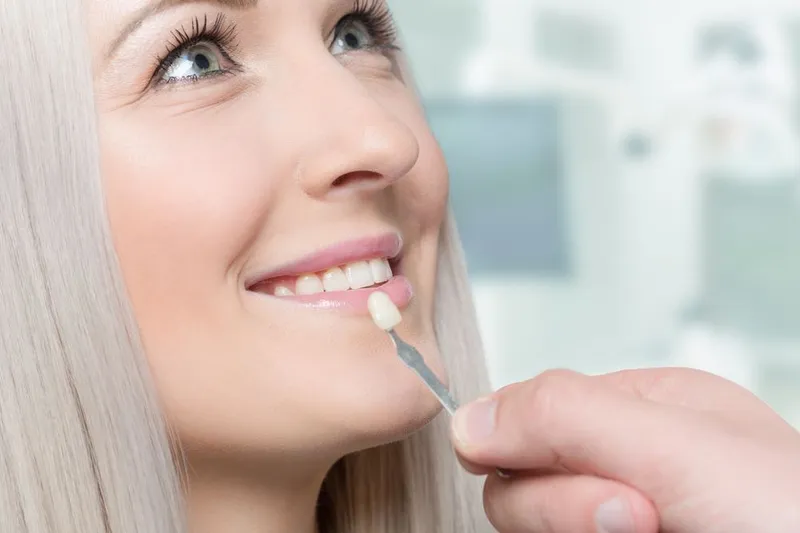
Shade matching
We choose a resin shade against the teeth around the one being treated, so the finished work blends in.
Shaping the resin
The tooth surface is lightly prepared, the resin is applied in layers and shaped by hand, then hardened with a curing light. Your dentist checks the shape against your bite as they go.
Polish and review
The bonded area is polished to a natural sheen and you leave the same day. We check it at your regular visits, and it can be adjusted or refreshed later if needed.
What people ask about composite bonding.
Your plan should be individual.
Cosmetic care at Magical Smiles Bacchus Marsh is led by Dr Rachna Yadav, Principal Dentist (AHPRA DEN0001046139). She holds a Bachelor of Dental Surgery, is an active member of the Australian Dental Association, and her ongoing training includes anterior composite and smile-design courses.
She works alongside Dr Amolak Deep, Dr Ankita Morjaria and Dr Christian Eskander, general dentists at our Gisborne Road clinic. Every cosmetic plan starts with an examination, and your dentist explains the risks and the alternatives before you decide.
Let's talk it through.
Book a consultation at Magical Smiles Bacchus Marsh. We'll look at the tooth that's bothering you, tell you honestly whether bonding is the right fix, and put the cost in writing before you decide.