Monitoring, not removing
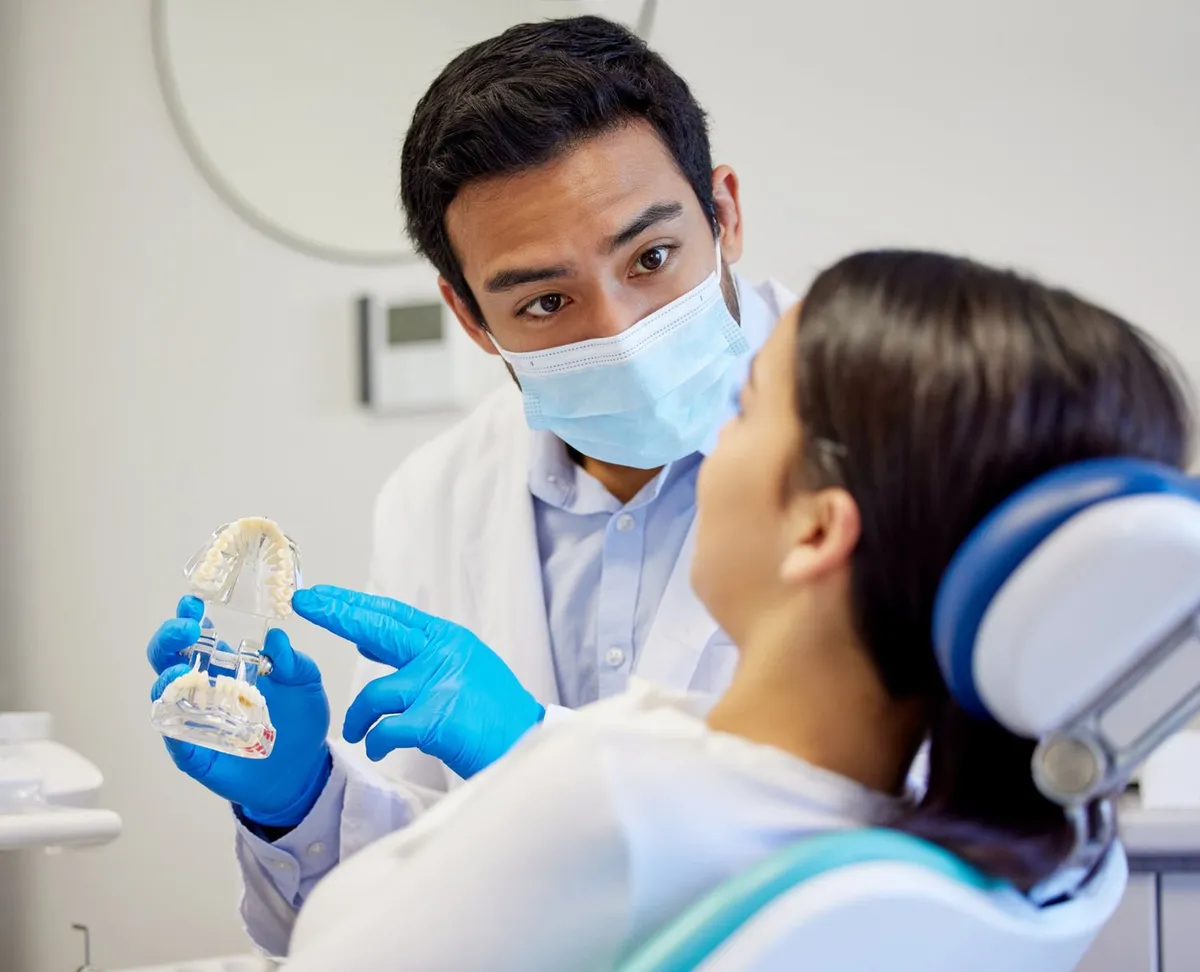
If a wisdom tooth is healthy, well positioned and not causing problems, it can often be left alone and checked at your regular visits.
We'll tell you plainly when watching and waiting is a sensible choice.

Wisdom teeth are the third molars at the very back of the mouth, and they usually appear between the ages of 17 and 25. When there isn't room, they can come through at an angle or stay trapped, causing pain, swelling or crowding. Our Bacchus Marsh dentists examine them with X-rays first, then explain whether they should be monitored or removed.
Wisdom tooth trouble often builds slowly, with small signs that are easy to ignore at first. Toothache in general is common: around 1 in 5 Australian adults (19%) had toothache in the previous 12 months in 2021 survey data reported by the Australian Institute of Health and Welfare. If several of these sound familiar, it's worth having them checked.
Wisdom teeth are the last adult teeth to develop. By the time they are ready to come through, usually between 17 and 25, the jaw often has no room left for them. Victoria's Better Health Channel (reviewed June 2022) describes the same timing: late teens or early 20s.
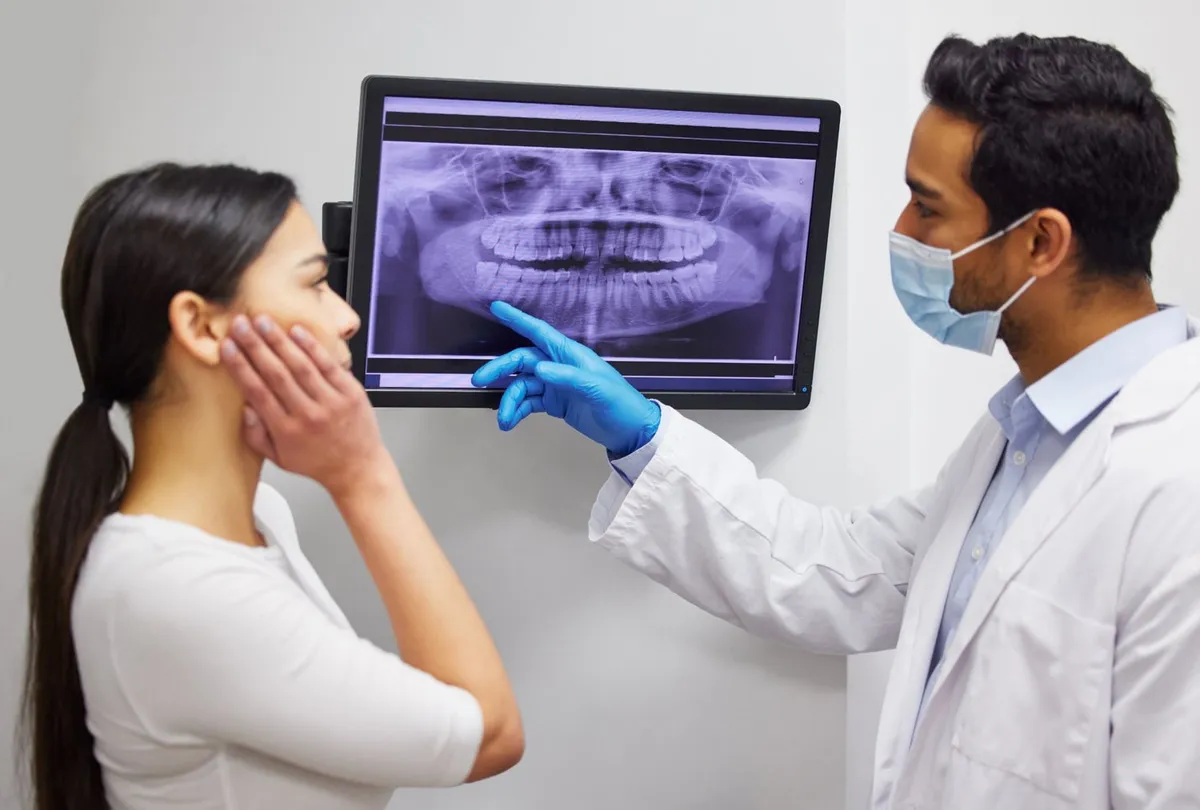
Without enough space, a wisdom tooth can grow in at an angle, break through the gum only partly, or stay trapped under the gum and bone. This is called impaction. It can press on the neighbouring molar, create pockets where bacteria collect, and lead to repeated infections, decay or, less often, a cyst. A panoramic X-ray shows how your wisdom teeth are sitting.
After we've looked at your X-rays, we'll explain which of these suits you, in plain language and with no pressure.
Wisdom tooth care is part of our everyday general dentistry, and Airflow cleaning can help keep the hard-to-reach back teeth clean.
If a wisdom tooth is healthy, well positioned and not causing problems, it can often be left alone and checked at your regular visits.
We'll tell you plainly when watching and waiting is a sensible choice.
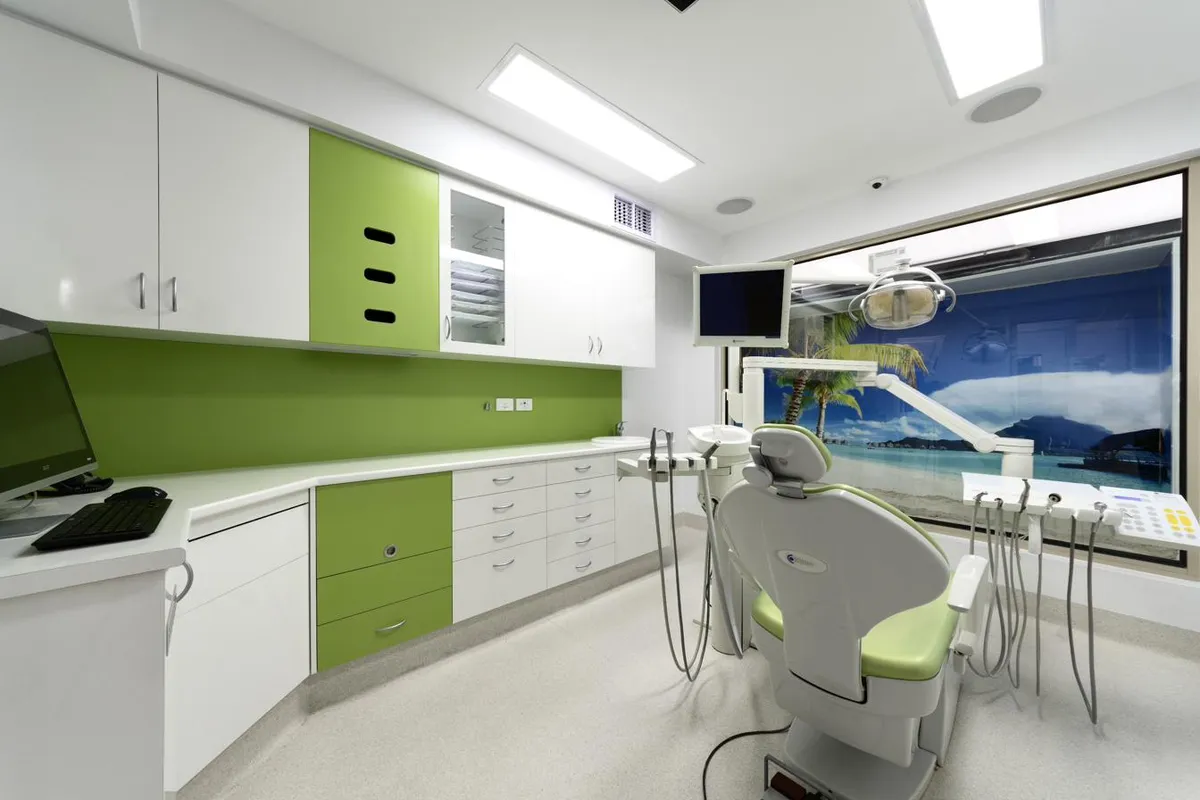
When a wisdom tooth has fully come through the gum, removing it is often straightforward, with local anaesthetic to numb the area first.
We check how you're going throughout, and you go home the same day with clear aftercare instructions.
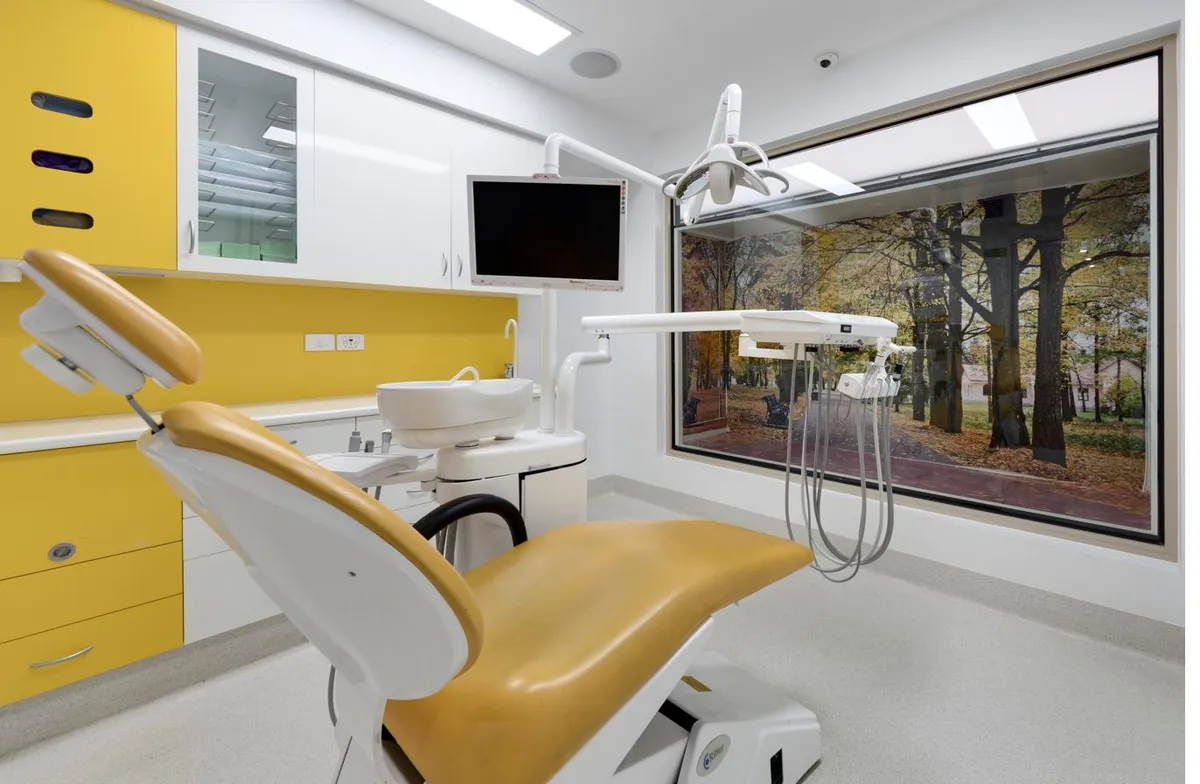
An impacted tooth, trapped at an angle or under the gum, usually needs a surgical approach. We'll explain exactly what is involved and talk through sedation options if you'd like extra support.
Any surgical or invasive procedure carries risks, and we'll go through them with you first. For example, healthdirect (last reviewed January 2026) notes that removing a lower wisdom tooth can damage the nerves that connect to your lip and tongue; any damage is usually temporary, but full recovery can take up to 18 months.
Wisdom teeth can feel like a big deal. We aim to make the process calmer, clearer and as comfortable as possible.
We won't push you into a procedure. If waiting is reasonable we'll say so, and we'll explain the trade-offs either way.
Thorough numbing, an unhurried appointment and, if you'd like it, sedation such as happy gas. Tell us what worries you and we'll plan around it.
You'll see what we see on your own X-rays, and we'll explain why we recommend what we do, along with an itemised quote.
No surprises and no rushed decisions. This is how it usually goes.
We examine the area, listen to your symptoms and take X-rays to see exactly how your wisdom teeth are positioned.
We explain what the X-rays show and whether removal is the right next step, or whether it can wait.
Local anaesthetic, plus sedation options if you'd like them, keeps you comfortable, and we check in with you throughout.
You go home with written aftercare instructions and our phone number in case anything feels wrong in the following days.
We check the area is healing well and answer any questions that have come up.
A consultation and an X-ray are usually enough to understand what's going on. If you have questions first, call our Bacchus Marsh team.
Book a consultation (03) 8001 7008Any surgical or invasive procedure carries risks. Before proceeding, please seek a second opinion from an appropriately qualified health practitioner. Recovery differs between individuals.
A consultation and an X-ray are usually enough to understand what's happening and what, if anything, needs to happen next. Call our Bacchus Marsh clinic or book online.