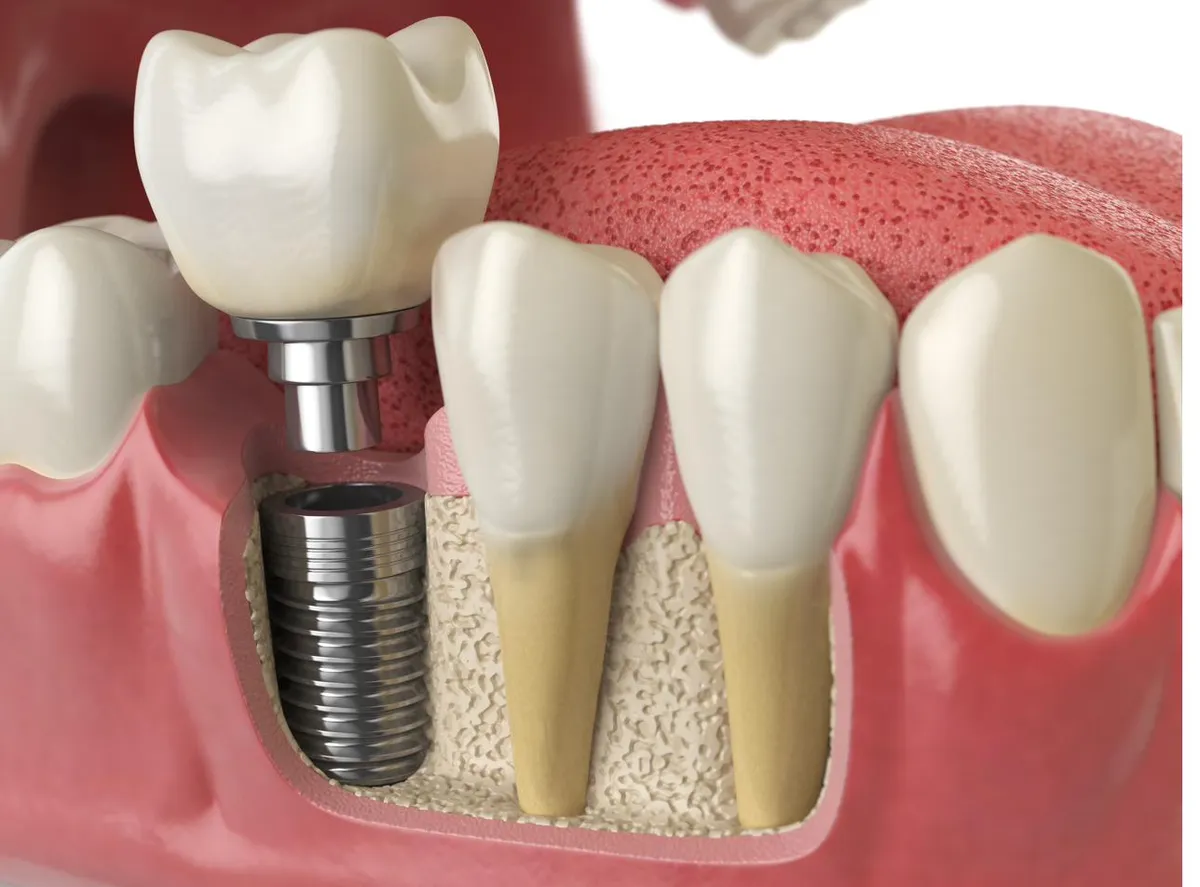
Individual Implants
Each missing tooth gets its own implant and crown, working independently of the others. This often suits gaps spread around the mouth, or cases where it helps to be able to look after each tooth on its own.

Maybe you've lost a few teeth over the years, or several need to come out at once. Multiple tooth implants restore more than one tooth without a removable plate, either as individual implants or as an implant-supported bridge. We'll map out the options for your mouth before anything is decided.
When more than one tooth is missing, the fixes tend to pile up: a partial denture for one gap, foods you avoid on the other side, an old bridge that's starting to wear. It helps to see the fixed options together instead of dealing with one gap at a time. It's also more common than people think: in the 2017–18 National Study of Adult Oral Health, reported by the AIHW, 1 in 10 adults (10%) who still had natural teeth had fewer than 21 of them, and that share rises from 0.7% of those aged 15–34 to 46% of those aged 75 and over.
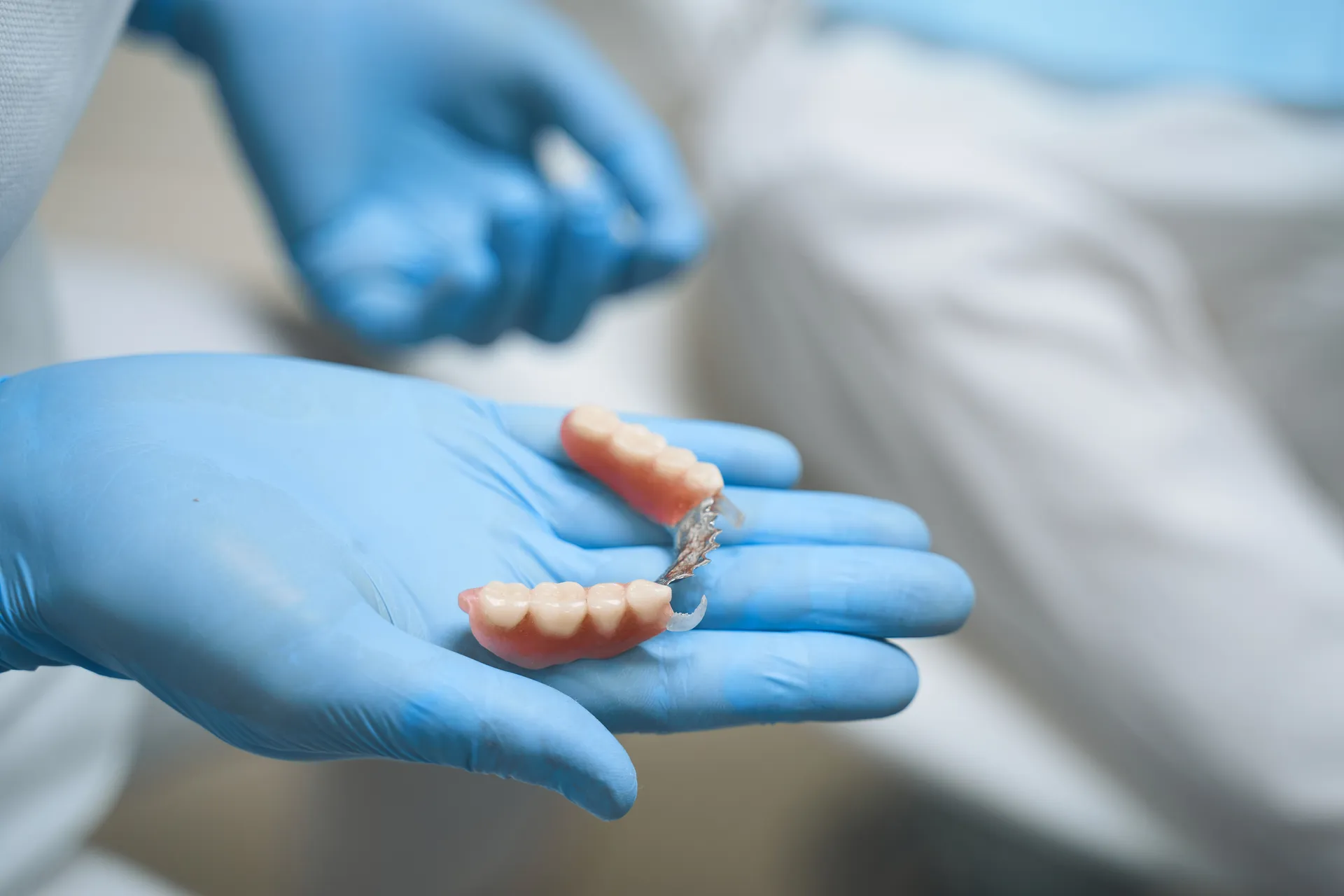
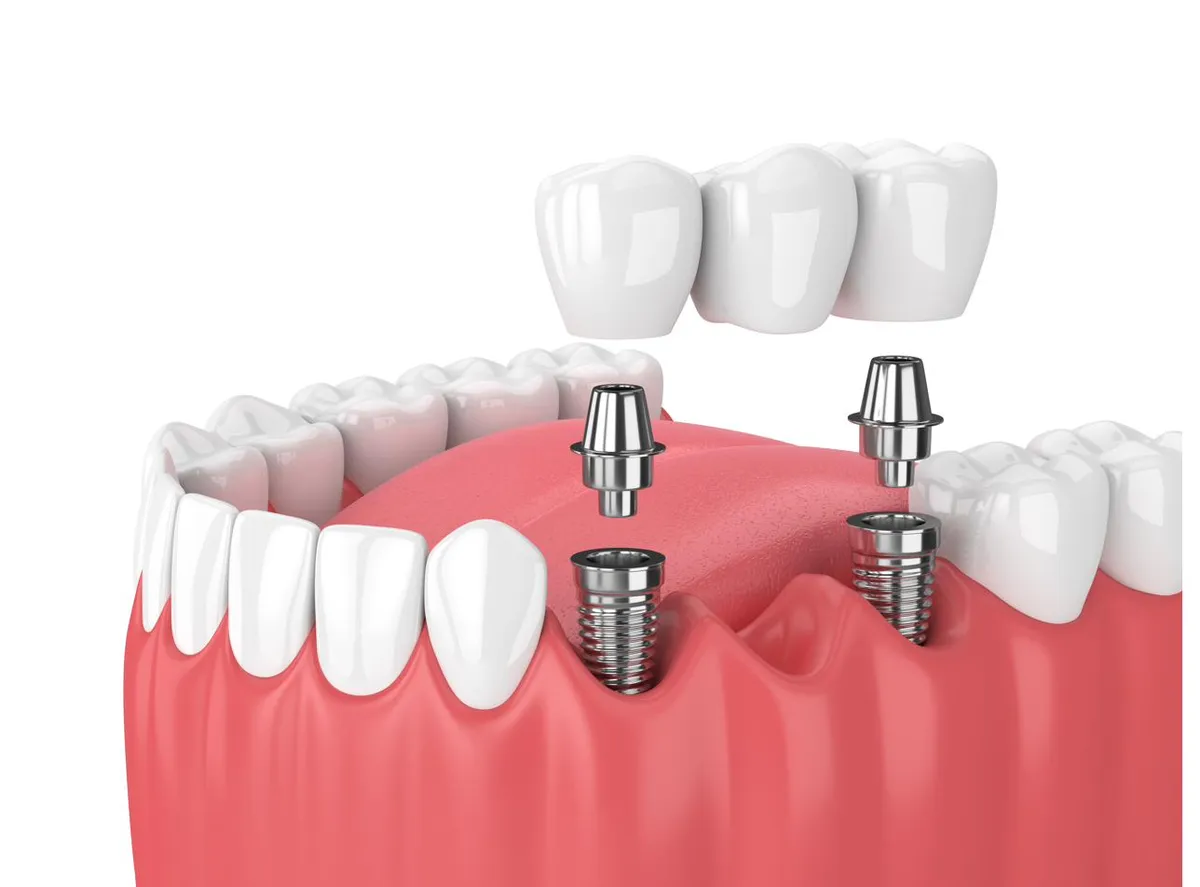
There are two broad ways to replace several teeth with implants. The first is individual implants: one post and crown for each missing tooth, each standing on its own. The second is an implant-supported bridge, where a smaller number of implants hold a connected row of replacement teeth across the gap.
Which one suits you depends on how many teeth are missing, where they are, and how much bone is at each site. An implant bridge can mean fewer implants than teeth, which may matter if cost or treatment time is a concern. It isn't the right answer for every gap, and we'll say so if it isn't right for yours.
Neither is better in every case. Each suits a different kind of gap, and this is the comparison we'll go through with you at your consultation.
Each missing tooth gets its own implant and crown, working independently of the others. This often suits gaps spread around the mouth, or cases where it helps to be able to look after each tooth on its own.
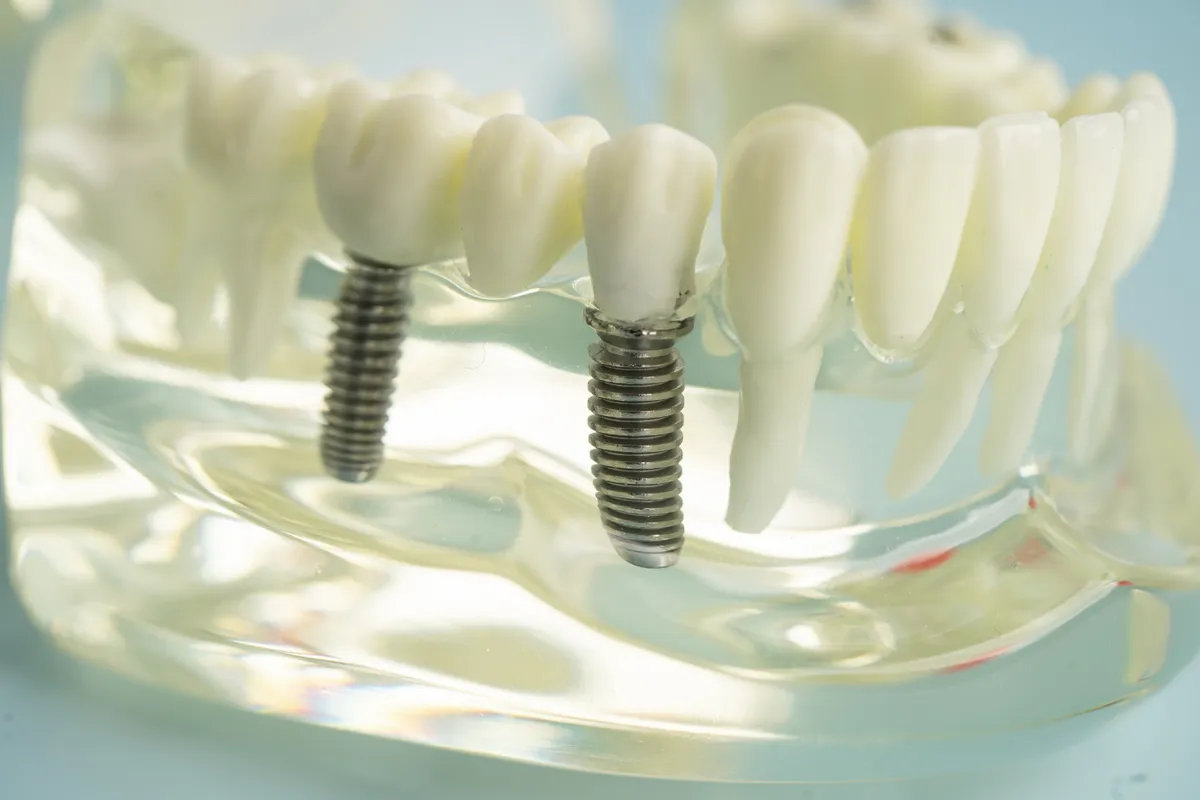
Two or more implants carry a connected span of replacement teeth. This often suits a run of missing teeth side by side, where the bone and implant positions can safely support the span.
Suitability depends on which teeth are missing, where they sit, and the bone at each site. Results and treatment time vary between individuals, and we confirm the details with you at your consultation.
More sites mean more planning at the start. After that the pace is steady, and every visit is at our Bacchus Marsh clinic.
Consultation & 3D imaging
We map every site with 3D imaging and talk through whether individual implants or an implant bridge suits your gaps.
Any preparation needed
Some sites may need bone grafting or a sinus lift and others won't. We'll tell you exactly which applies to which tooth.
Placing the implants
The implants are placed at the planned positions under local anaesthetic, then given some months to bond with the bone.
Fitting the restoration
Once the implants have integrated, your crowns or implant bridge are made, fitted and checked for bite and shade.
Review & ongoing care
At check-ups each implant is reviewed on its own, because one can be affected while the others are fine.
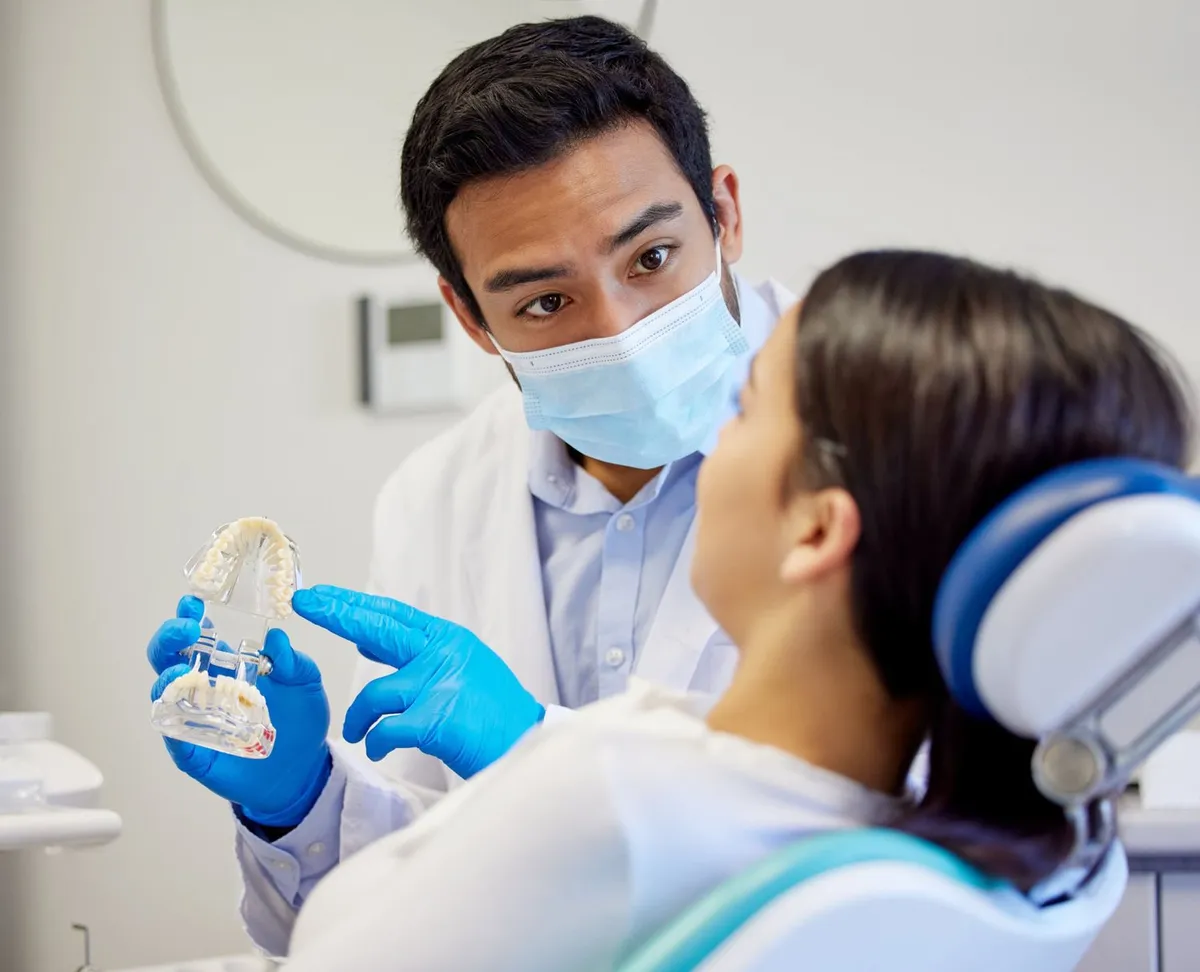
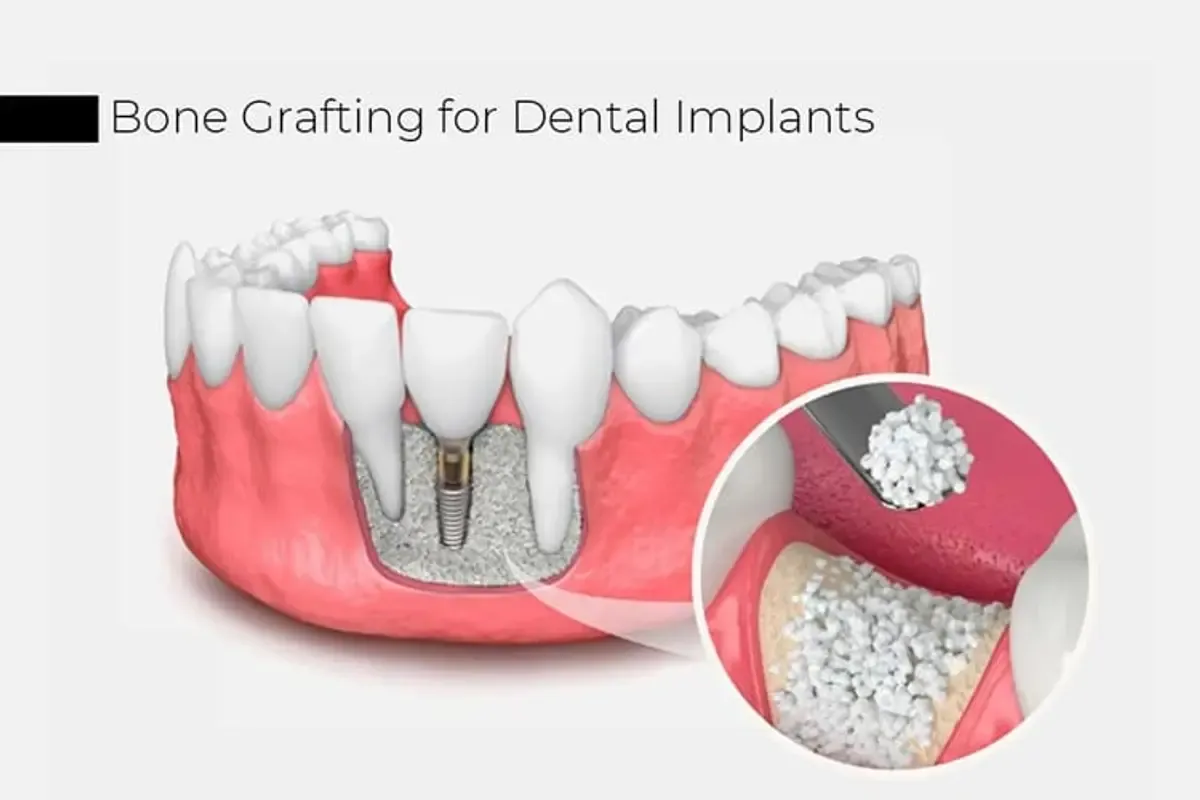
With several missing teeth, the bone often varies between gaps. A tooth lost recently may have plenty of bone beneath it, while a gap that has been empty for years may have thinned. Bone grafting adds material where it's needed, so each implant has a solid base.
Because several sites are involved, we plan grafting tooth by tooth rather than treating your whole mouth the same way. You'll know which sites need it, and which don't, before treatment begins. Our article on the role of bone grafting in dental implants explains more.
Any surgical or invasive procedure carries risks. Before proceeding, please seek a second opinion from an appropriately qualified health practitioner.
If any of your gaps are at the back of the upper jaw, the maxillary sinus comes into the plan. This air space sits just above the roots of the upper back teeth, and after years without a tooth, its floor can sit close to the bone.
A sinus lift gently raises the sinus lining and places graft material underneath, adding enough height for an implant at that site. It only applies to upper back sites, and we only recommend it when your imaging shows it's needed. See the sinus lift page for the steps.
Any surgical or invasive procedure carries risks. Before proceeding, please seek a second opinion from an appropriately qualified health practitioner.
With more than one implant, each is checked on its own at your reviews. Inflammation around one implant, called peri-implantitis, doesn't mean the others are affected, and it's usually found early. An implant bridge is also checked at each supporting implant along the span. Gum disease is common in Australia: the same AIHW study found moderate or severe periodontitis in 51% of adults aged 55–74, and periodontitis in 30.1% of all adults aged 15 and over. To compare all the implant options, see our overview of dental implants in Bacchus Marsh.
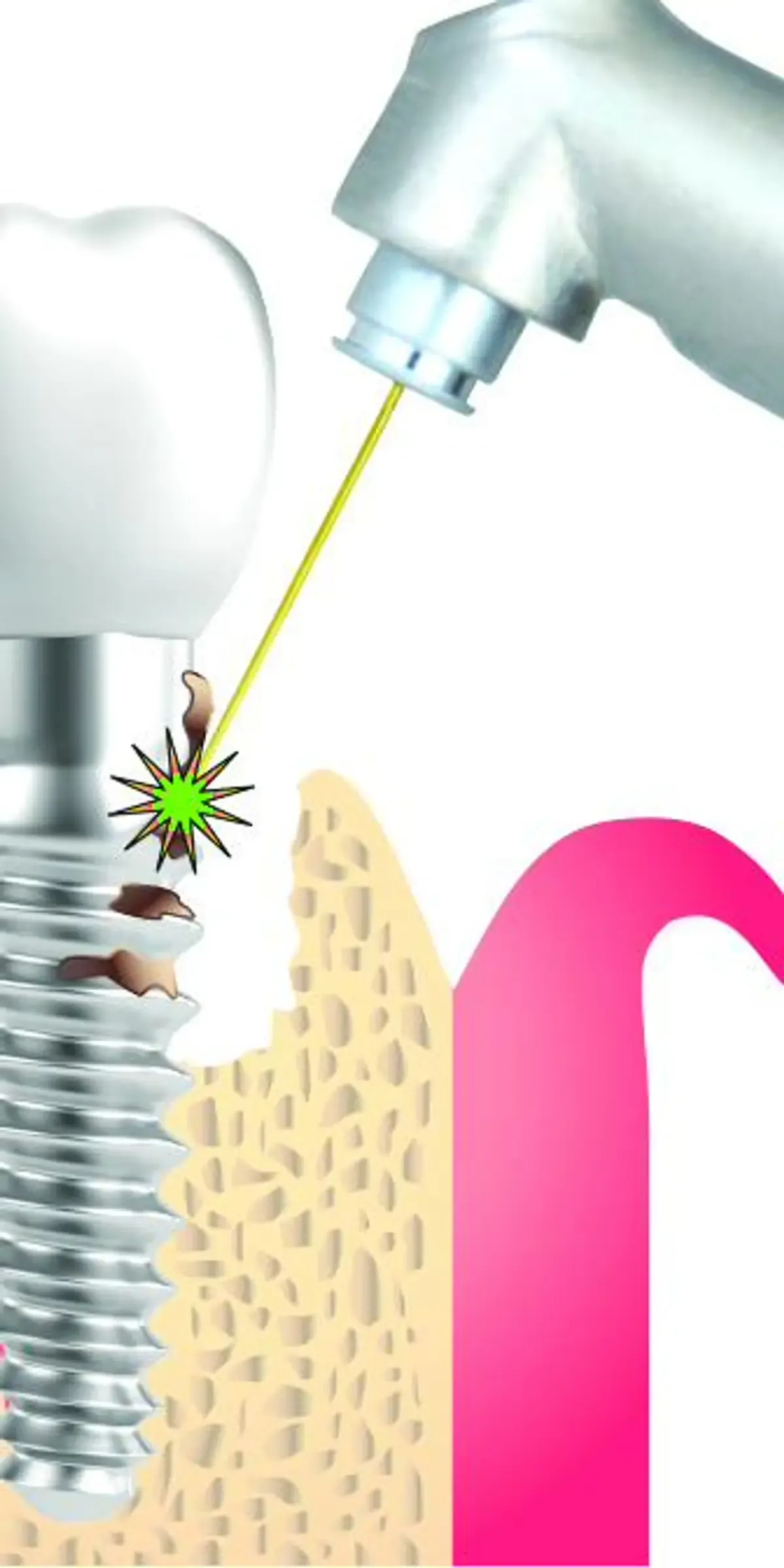
If we find peri-implantitis on an implant, treatment can include laser-assisted cleaning of that surface, along with a check of your home care and bite. Peri-implantitis care is available at our Bacchus Marsh clinic — read the peri-implantitis care page →
With several teeth involved, cost depends mostly on how many implants you need, and whether a bridge can reduce that number. As at September 2026, multiple implants at our clinic start from $5,000 per implant. You'll get the full figure in writing after your assessment, and payment plans can spread it into smaller, regular amounts.
Know the numbers before you decide anything.
Curious what several implants might cost per week? Open the repayment estimator →
Estimate only. It is not a quote or credit approval. Your actual cost is confirmed at consultation and depends on how many implants you need and whether bone grafting or a sinus lift is needed.
We accept





About the estimator: it gives an indicative figure based on typical per-implant pricing. It is not a quote. Each plan is priced once we've assessed every site with 3D imaging, and bone grafting or a sinus lift is costed separately if needed. You'll see the exact cost in writing before you agree to treatment. The estimator only quotes plans totalling up to $12,000, Humm's fees included; with several implants you may go past that, and then we'll put a plan together with you in person. Repayment figures are illustrative and use Humm/NDP's own plan-fee formula for the term selected, so Humm's fees are already included. Finance depends on Humm's own eligibility criteria and approval, which may not be granted.
3D imaging checks the bone at each site, so recommendations are specific to each tooth rather than one plan for the whole mouth.
If an implant bridge could reduce the number of implants for your gap, we'll tell you. If it can't, we'll tell you that too.
At each review we check every implant separately, so early signs of peri-implantitis can be dealt with before they progress.
A consultation with 3D imaging is usually enough to map out your options. If you'd like to ask something first, give the clinic a call.
Book a consultation (03) 8001 7008Information on this page is general in nature. Treatment outcomes, timelines and suitability vary between individuals. Each site is assessed at your consultation, and you'll hear what's realistic for your mouth before you decide anything.
Major health funds
A consultation with 3D imaging at our Bacchus Marsh clinic is usually enough to tell whether individual implants or an implant bridge suits your gaps, with a written cost before you decide anything.